
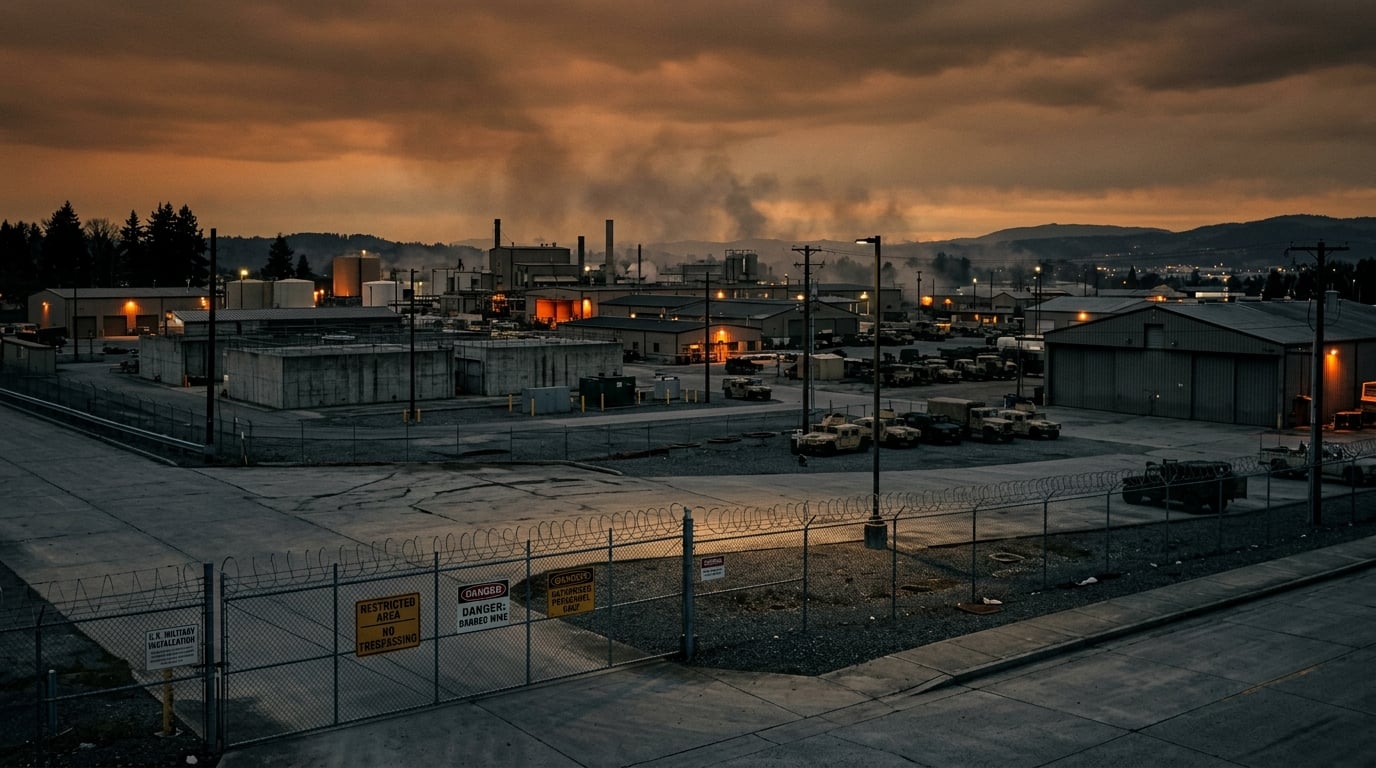
Military Bases & Toxic Exposure
Every base has a history. Some of that history is buried in the soil, the water, and the air. I built this resource to connect military installations to documented toxic exposures, known health conditions, and what the VA needs to see in your claim.
If you served at one of these bases, your exposure is documented. The evidence already exists — the VA just needs you to connect it to your service record and your diagnosis. We show you how.
Your ILER is the key document. An Individual Longitudinal Exposure Record (ILER) links YOUR specific duty assignments to the exposure history of each base you served at. Request yours at MyHealtheVet → VA Medical Records or ask your VA Environmental Health Coordinator. Learn more about ILER →
PACT Act — What Changed for Base-Related Claims
The Sergeant First Class Heath Robinson Honoring our Promise to Address Comprehensive Toxics (PACT) Act (Public Law 117-168), signed August 2022, expanded presumptive service connection for veterans who served at bases with documented burn pits, open air burn areas, or airborne hazard exposure during qualifying periods. Under 38 CFR § 3.307 and § 3.309, you no longer need to prove direct nexus for covered conditions — exposure at a listed location during a covered period is sufficient.
Army Installations
ARMY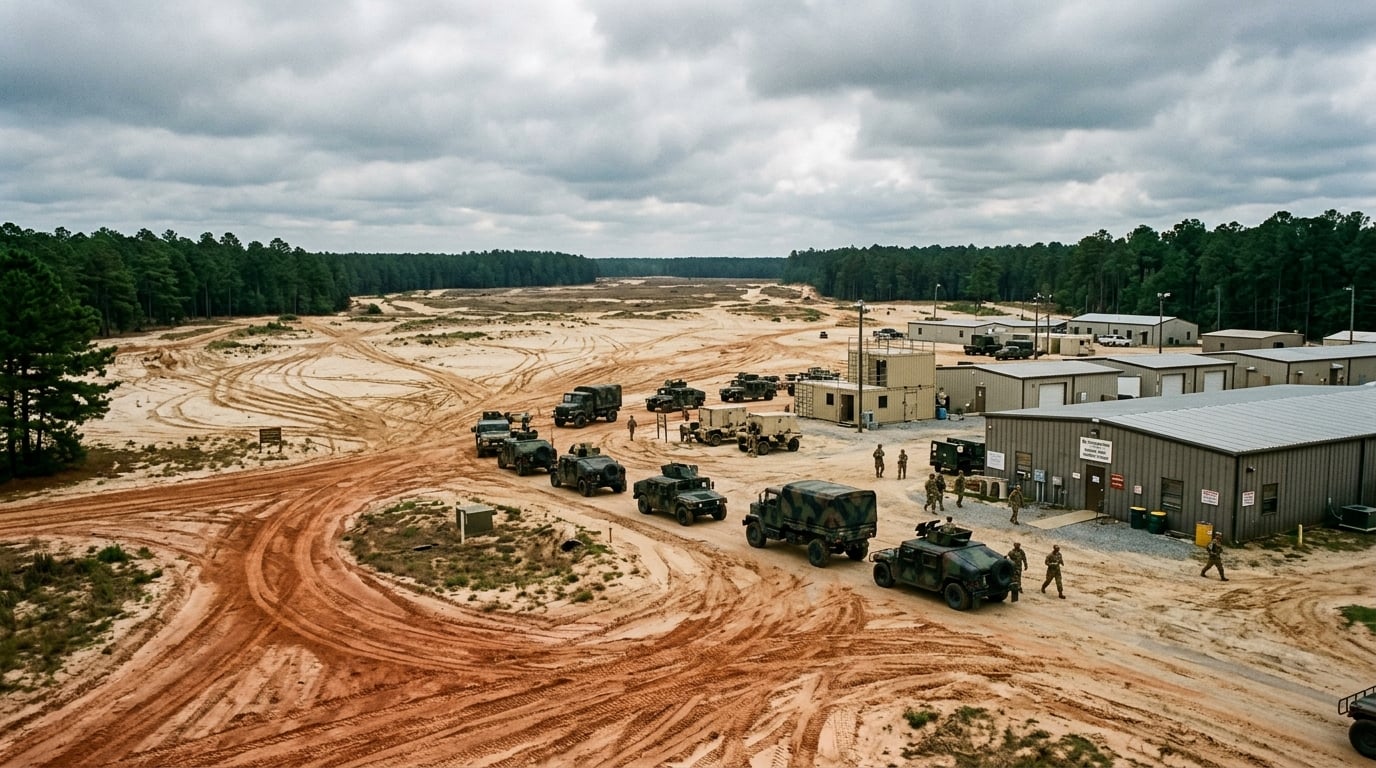
Fort Liberty (formerly Fort Bragg)
Fayetteville, North Carolina
Documented Exposures
Trichloroethylene (TCE) groundwater contamination has been documented at multiple areas on post. Heavy vehicle exhaust, burn pit operations during deployment pre-deployment training cycles, and legacy pesticide use on training ranges.
Linked Conditions
Non-Hodgkin lymphoma, kidney cancer, liver disease, neurological disorders, respiratory conditions from deployment burn pit exposure.
Key Evidence: ILER + deployment orders showing burn pit locations + buddy statements from unit members
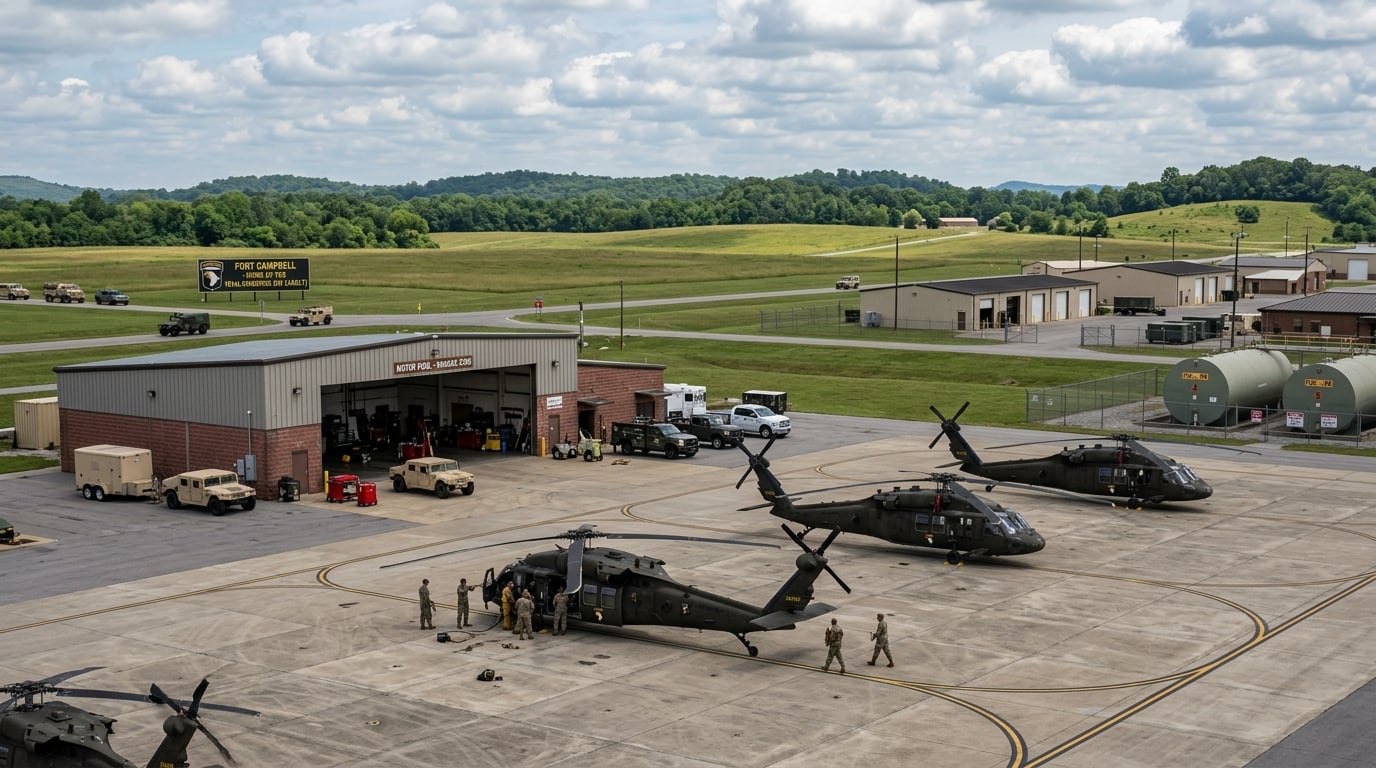
Fort Campbell
Kentucky / Tennessee Border
Documented Exposures
Trichloroethylene (TCE) and petroleum hydrocarbons found in groundwater near motor pools and maintenance areas. Aviation fuel contamination from flight line operations. Legacy pesticide application on ranges.
Linked Conditions
TCE-linked cancers (kidney, NHL, liver), reproductive effects, cardiac defects in offspring born to exposed veterans.
Key Evidence: Duty station records + ILER + any base environmental reports from your era
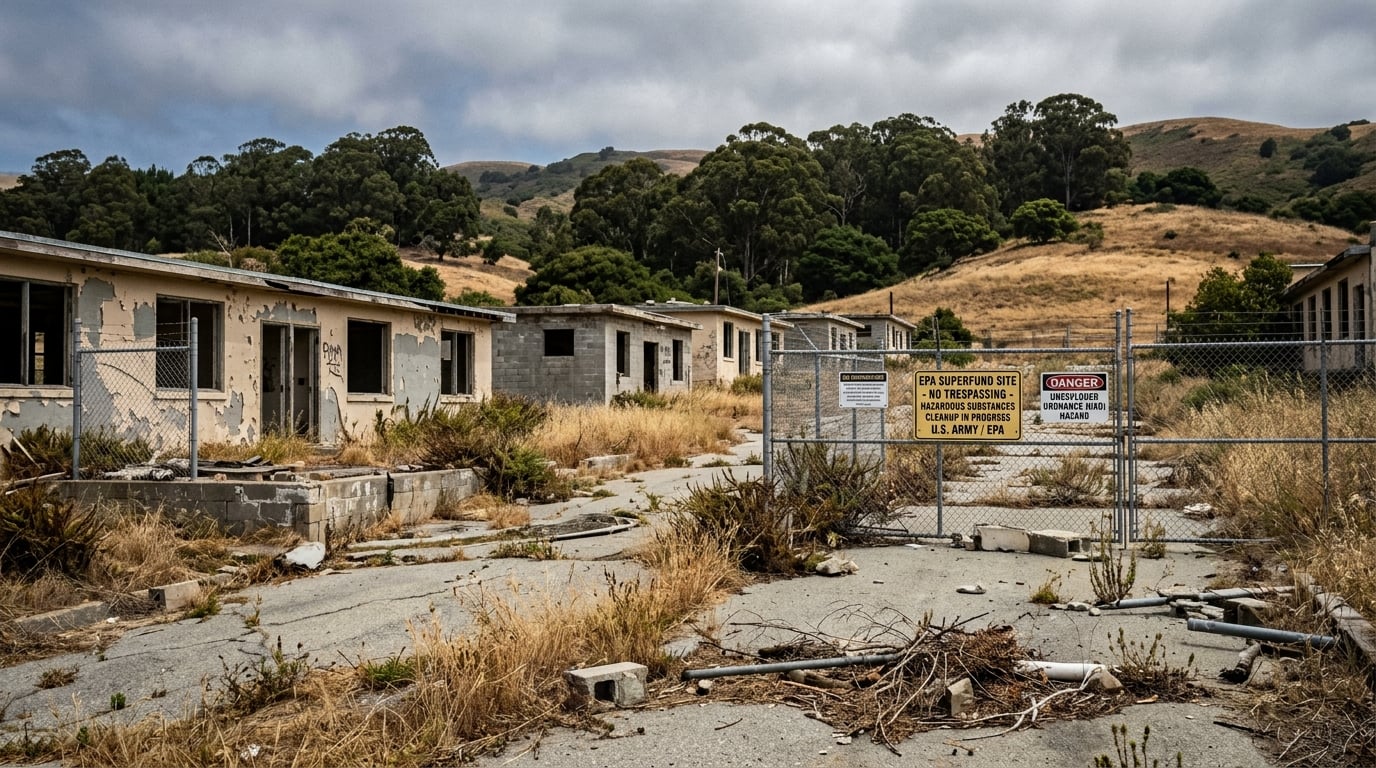
Fort Ord
Monterey County, California (CLOSED)
Documented Exposures
Fort Ord is one of the largest EPA Superfund sites in the nation. Trichloroethylene (TCE), perchloroethylene (PCE), and explosive compound residues contaminated both soil and groundwater. The base operated from 1917 to 1994 — generations of soldiers were exposed.
Linked Conditions
Leukemia, NHL, kidney cancer, liver cancer, neurological damage, reproductive disorders.
Fort Ord is a recognized Superfund site — EPA records directly support nexus arguments under 38 CFR § 3.303
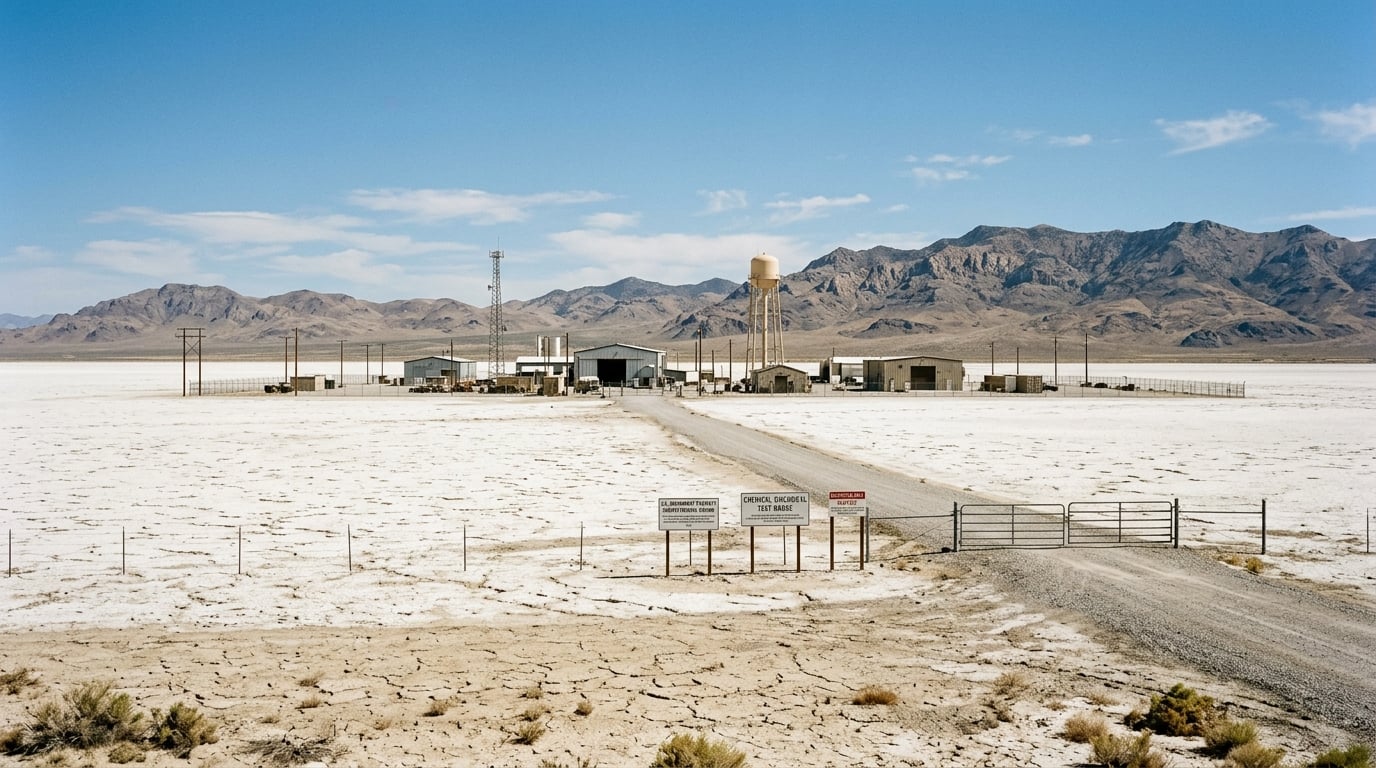
Dugway Proving Ground
Tooele County, Utah
Documented Exposures
Dugway was the primary U.S. testing ground for chemical and biological warfare agents from WWII through the Cold War. Nerve agents (VX, GB/Sarin), blister agents, and biological simulants were released in open-air tests. Veterans who served at Dugway may have been exposed without full disclosure.
Linked Conditions
Neurological disorders, pulmonary conditions, immune suppression, cancers linked to chemical warfare agent exposure.
38 CFR § 3.311 covers radiation/chemical exposure — request records through DoD Chemical and Biological Defense Program
Marine Corps Installations
USMC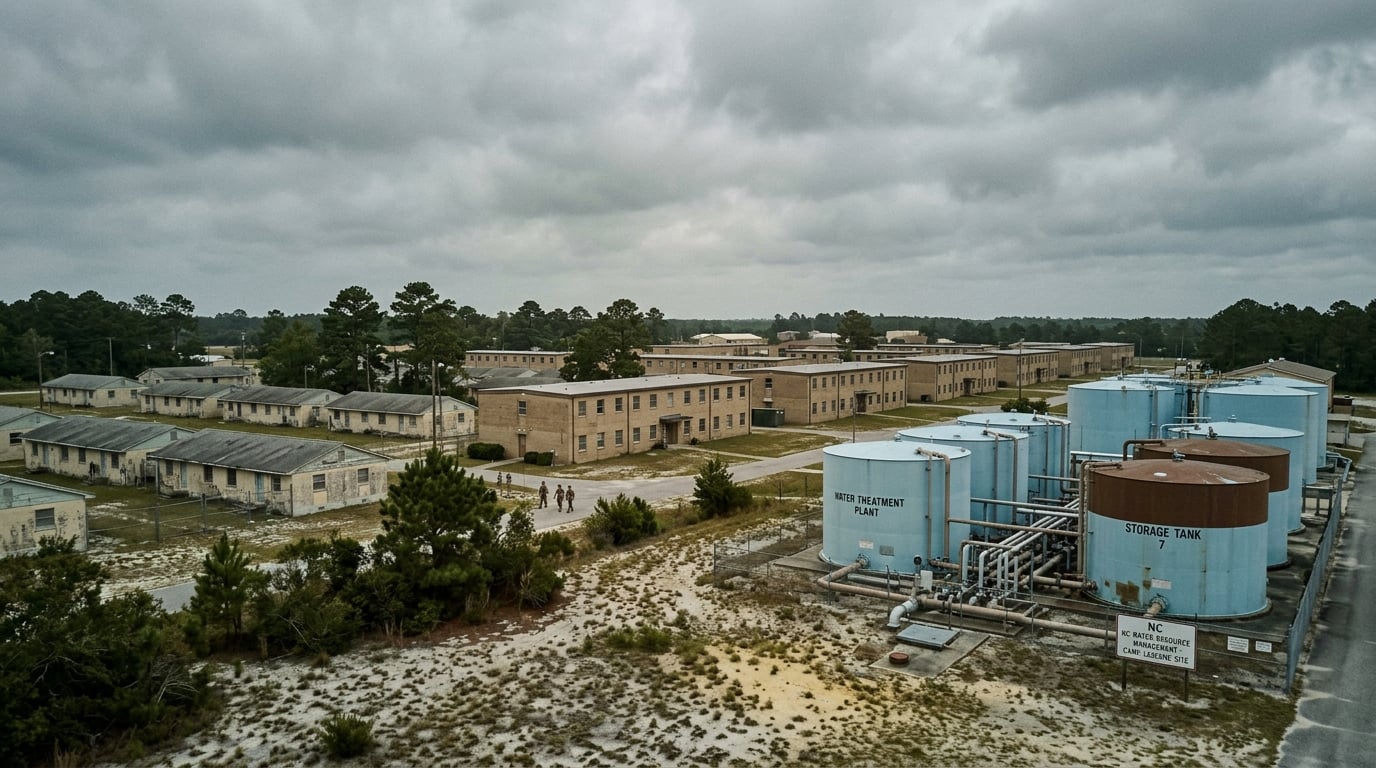
Camp Lejeune
Jacksonville, North Carolina
Documented Exposures
Camp Lejeune is the most well-documented water contamination case in U.S. military history. From 1953 to 1987, drinking water at Tarawa Terrace and Hadnot Point was contaminated with trichloroethylene (TCE), tetrachloroethylene (PCE), benzene, and vinyl chloride — all known carcinogens — at levels hundreds of times above safety limits. An estimated 1 million veterans and family members were exposed.
Linked Conditions
Bladder cancer, kidney cancer, NHL, leukemia, multiple myeloma, Parkinson's disease, neurobehavioral effects, liver cancer, esophageal cancer, breast cancer, lung cancer, miscarriage, neural tube defects in children born on base.
Presumptive under PACT Act — if you or family members lived/worked at Lejeune between 1953–1987, file immediately. No nexus proof required.
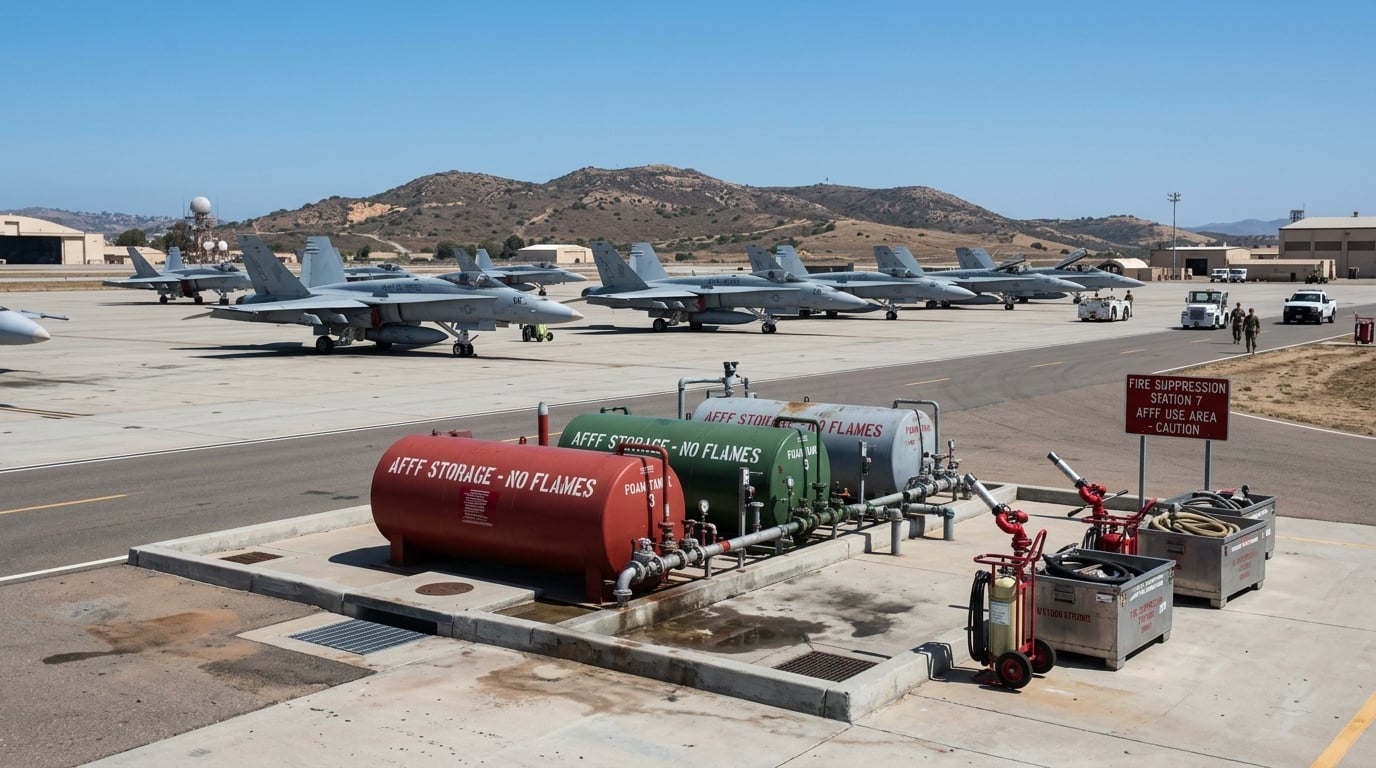
MCAS Miramar
San Diego, California
Documented Exposures
PFAS (per- and polyfluoroalkyl substances) from decades of AFFF firefighting foam use have contaminated groundwater at and around MCAS Miramar. PFAS are "forever chemicals" that do not break down and accumulate in the human body. The contamination extends off-base into surrounding communities.
Linked Conditions
Testicular cancer, thyroid disease, kidney cancer, ulcerative colitis, immune system disruption, elevated cholesterol, pregnancy-induced hypertension.
Key Evidence: AFFF exposure log, fire suppression duty records, ILER, and base environmental reports
Air Force Installations
USAF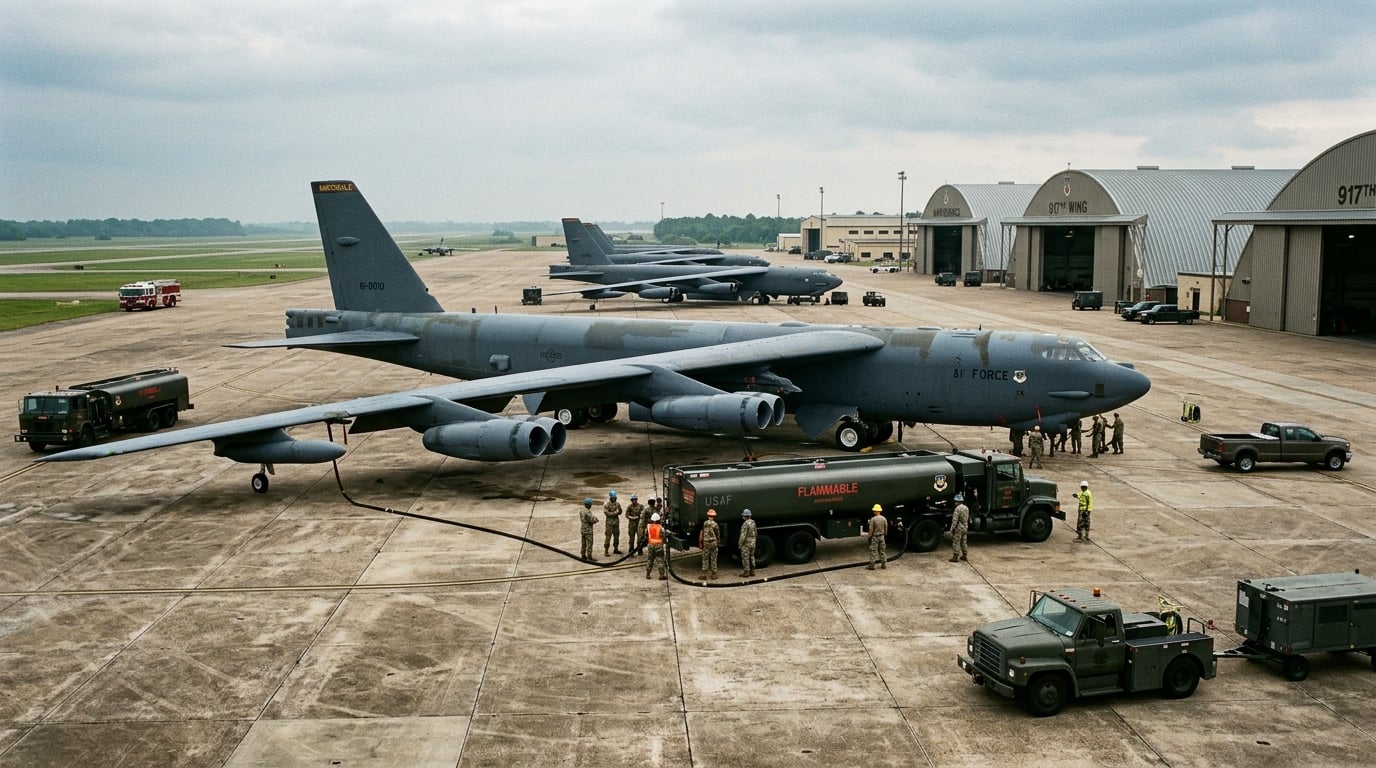
Barksdale Air Force Base
Bossier City, Louisiana
Documented Exposures
Flight line personnel at Barksdale faced daily JP-8 jet fuel exposure from fueling, defueling, and maintenance operations. AFFF firefighting foam was routinely used during flight operations and emergency training. JP-8 contains benzene — a recognized leukemia-causing agent — and naphthalene, both volatile hydrocarbons that absorb through skin and inhalation.
Linked Conditions
Leukemia, lymphoma, respiratory conditions, skin conditions, benzene-linked bone marrow disorders, PFAS-related cancers.
Key Evidence: AFSC/job code (crew chief, fuels, fire protection), flight line duty logs, ILER showing JP-8 exposure data
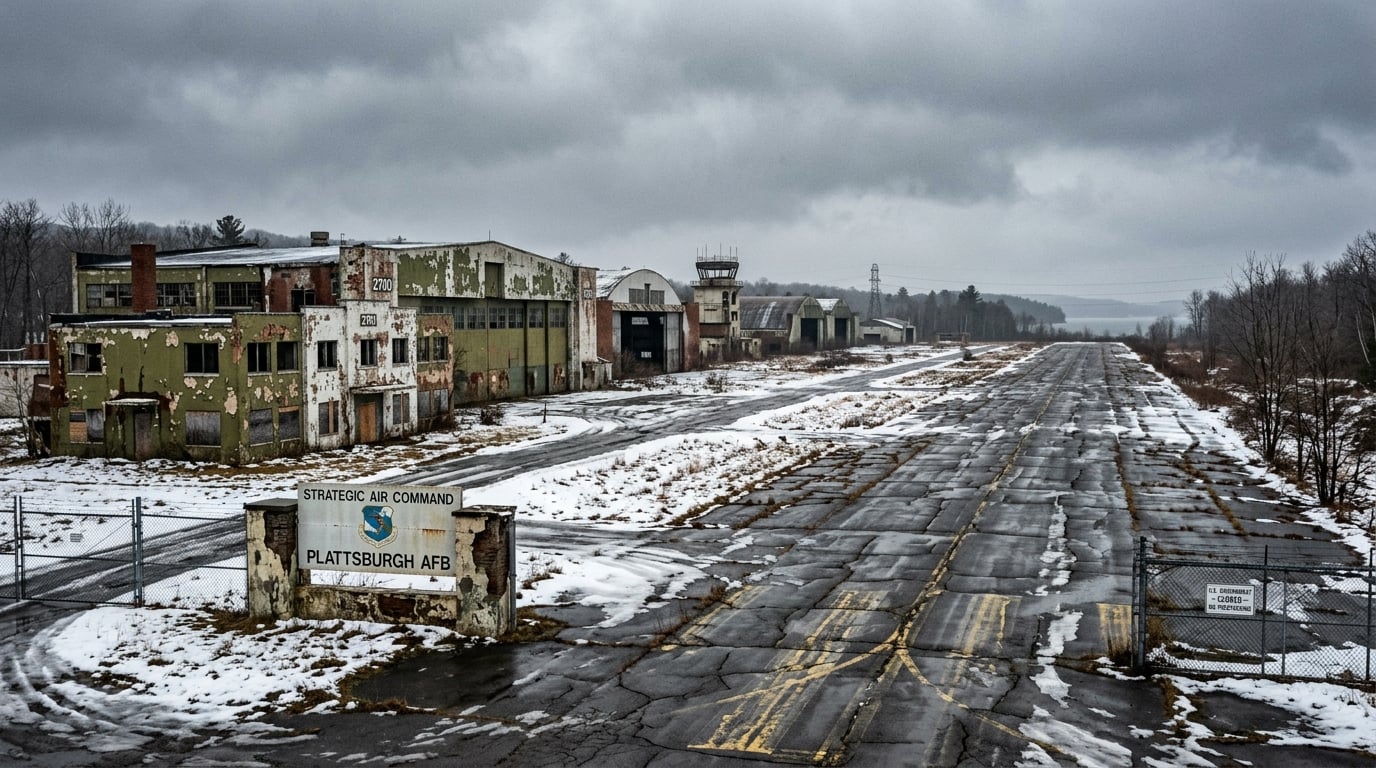
Plattsburgh Air Force Base
Plattsburgh, New York (CLOSED)
Documented Exposures
Trichloroethylene (TCE) from maintenance and degreasing operations contaminated soil and groundwater. AFFF foam use during SAC (Strategic Air Command) era flight operations deposited PFAS compounds across the base and into the Lake Champlain watershed. Base is listed on EPA's National Priorities List (Superfund).
Linked Conditions
Kidney cancer, NHL, liver disease, thyroid cancer, neurological disorders.
Superfund listing = strong regulatory nexus. Pair with duty station records and STR notation of any symptoms during service.
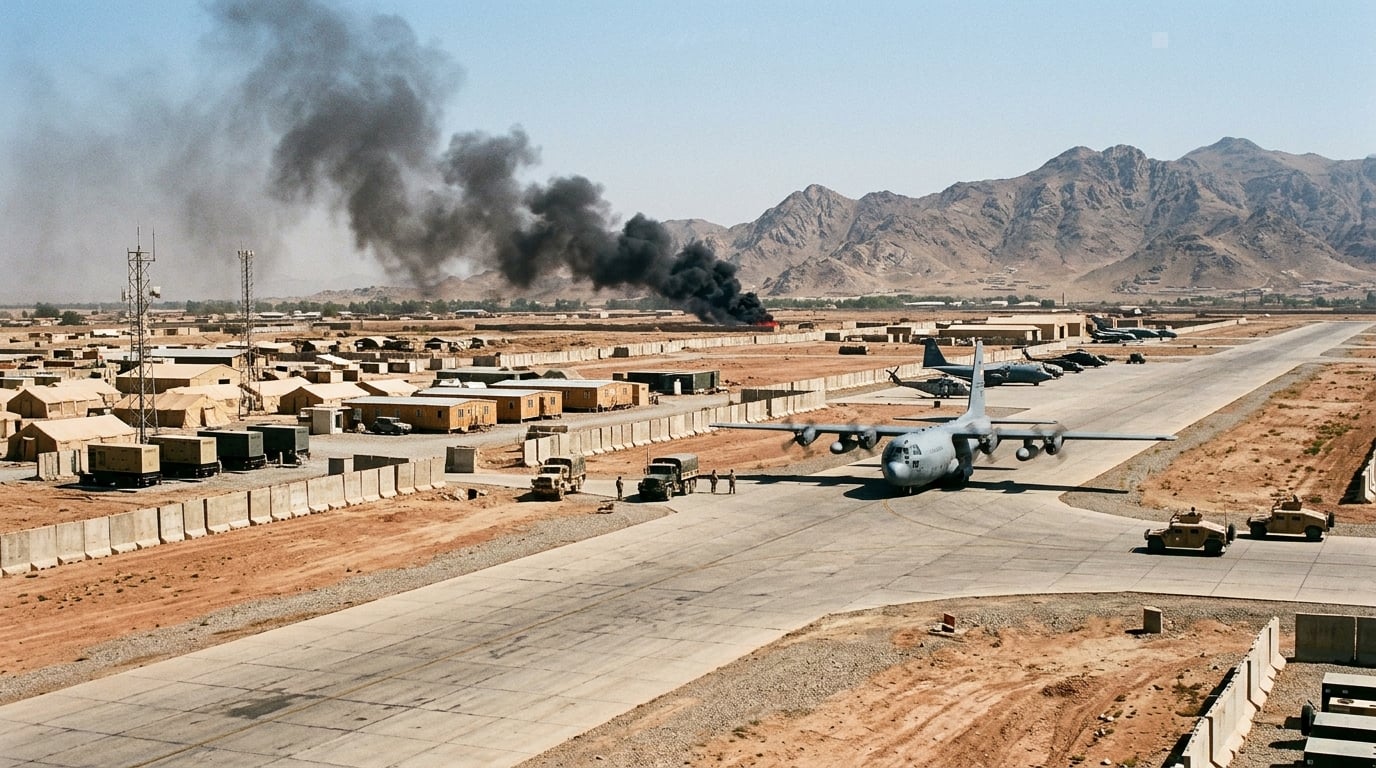
Bagram Air Field (Afghanistan)
Parwan Province, Afghanistan
Documented Exposures
Bagram had one of the largest open burn pits in the theater — burning up to 200 tons of waste per day including medical waste, plastics, metals, chemicals, and human waste. PM2.5 particulate matter readings routinely exceeded hazardous thresholds. Sand and dust also carried heavy metals, bacteria, and silica.
Linked Conditions
Constrictive bronchiolitis, reactive airway disease, cryptogenic organizing pneumonia, sinusitis, rhinitis, tracheal stenosis, lung cancer (under PACT Act presumptive expansion).
PACT Act presumptive — deployment to Bagram during covered periods qualifies automatically. Register in the Airborne Hazards Open Burn Pit Registry.
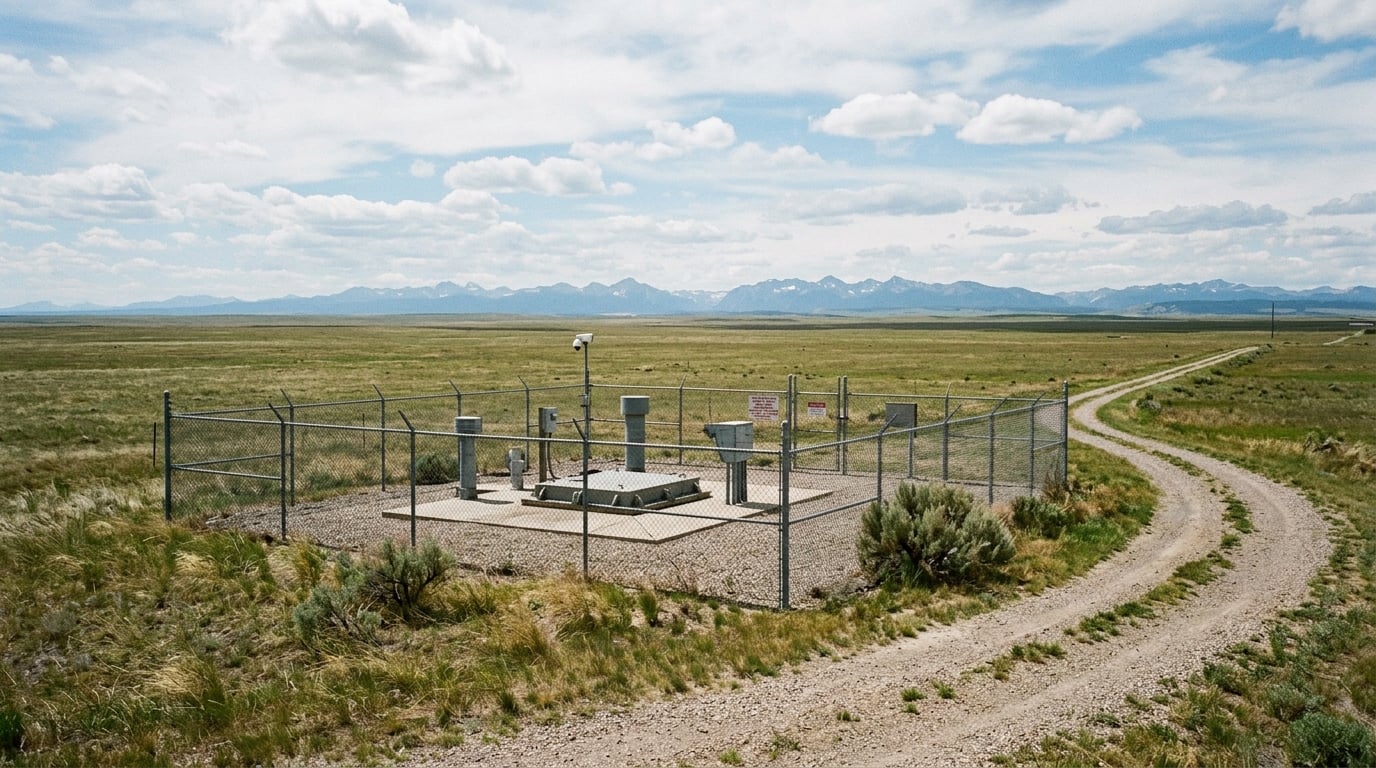
Malmstrom Air Force Base
Great Falls, Montana
Documented Exposures
Minuteman ICBM missile operators and maintenance crews at Malmstrom worked in close proximity to nuclear warheads and the systems that support them, including radar, propellant systems, and radioactive guidance components. Radiation exposure tracking was inconsistent during the Cold War era — many exposures went undocumented.
Linked Conditions
Leukemia, thyroid cancer, multiple myeloma, lymphoma, solid tumors. Radiation Exposure Compensation Act (RECA) and 38 CFR § 3.311 both provide pathways.
Key Evidence: Dosimetry records (DD-1141), DODI nuclear duty assignment records, buddy statements from missileer crews
Navy Installations
USN
Norfolk Naval Station
Norfolk, Virginia
Documented Exposures
Naval vessels docked at Norfolk were built with extensive asbestos insulation throughout engine rooms, berthing, and pipe lagging — shipboard personnel disturbed it routinely during maintenance. JP-5 aviation fuel exposure was constant for flight deck and fuel crews. AFFF firefighting foam drills deposited PFAS compounds across the installation and into the Chesapeake Bay watershed.
Linked Conditions
Mesothelioma, asbestosis, lung cancer, laryngeal cancer, ovarian cancer (asbestos-linked), PFAS-related thyroid and kidney cancers, benzene-linked leukemia from fuel exposure.
Key Evidence: Ship deck logs, rate/NEC records (boiler tech, hull tech, aviation fuels), asbestos exposure surveys from your vessel

Pearl Harbor Naval Shipyard
Honolulu, Hawaii
Documented Exposures
Decades of ship repair and overhaul exposed workers and sailors to friable asbestos during insulation removal, lead-based paint chips and dust during hull scraping, and polychlorinated biphenyls (PCBs) from transformer and capacitor servicing. Nuclear submarine refueling operations added low-level radiation exposure for yard workers during the Cold War and beyond.
Linked Conditions
Mesothelioma, asbestosis, lung and laryngeal cancer, lead poisoning (neurological, renal), PCB-linked liver disease and endocrine disruption, radiation-linked cancers (leukemia, thyroid).
Key Evidence: Shipyard worker records, NEC/rating assignment to overhaul duties, OSHA asbestos monitoring reports, nuclear worker dosimetry (DD-1141)
What to Do If You Served at One of These Bases
01
Request your ILER (Individual Longitudinal Exposure Record) through MyHealtheVet or your VA Environmental Health Coordinator. This document links YOUR duty assignments to known base exposures.
02
Pull your personnel records (DD-214, duty station orders) showing exactly when you were stationed at each base. Dates matter — especially for presumptive windows like Camp Lejeune 1953–1987.
03
Get a current medical diagnosis linking your condition to the documented exposures at your base(s). A private nexus opinion that references the base's environmental history is powerful evidence.
04
File with the VA (Form 21-526EZ) citing the specific base, the documented contaminant, and the 38 CFR section that covers your exposure type. An accredited agent can structure this for maximum strength.
Why This Matters for Women Veterans
Toxic exposure claims for women veterans carry unique medical dimensions that are often overlooked. Chemicals like TCE, PCE, PFAS, and benzene are linked to breast cancer, ovarian cancer, endometrial conditions, pregnancy complications, miscarriage, and birth defects in children born to exposed service members. Camp Lejeune alone is tied to elevated rates of breast cancer and adverse pregnancy outcomes in women who served or lived on base.
If you served at any of these bases and have been diagnosed with a reproductive, gynecological, or hormonal condition, document BOTH the base exposure AND the condition. The connection between environmental contamination and women's health is increasingly recognized by the VA — but only if you file.
Official Resources
Airborne Hazards & Open Burn Pit Registry
Register your exposure
Camp Lejeune Water Contamination
VA.gov benefits page
PACT Act — Complete On-Site Guide
Public Law 117-168 explained here
VA Environmental Health Registry
Exposure categories & registries
Request Your ILER
MyHealtheVet → VA Medical Records
File a VA Disability Claim
Form 21-526EZ