
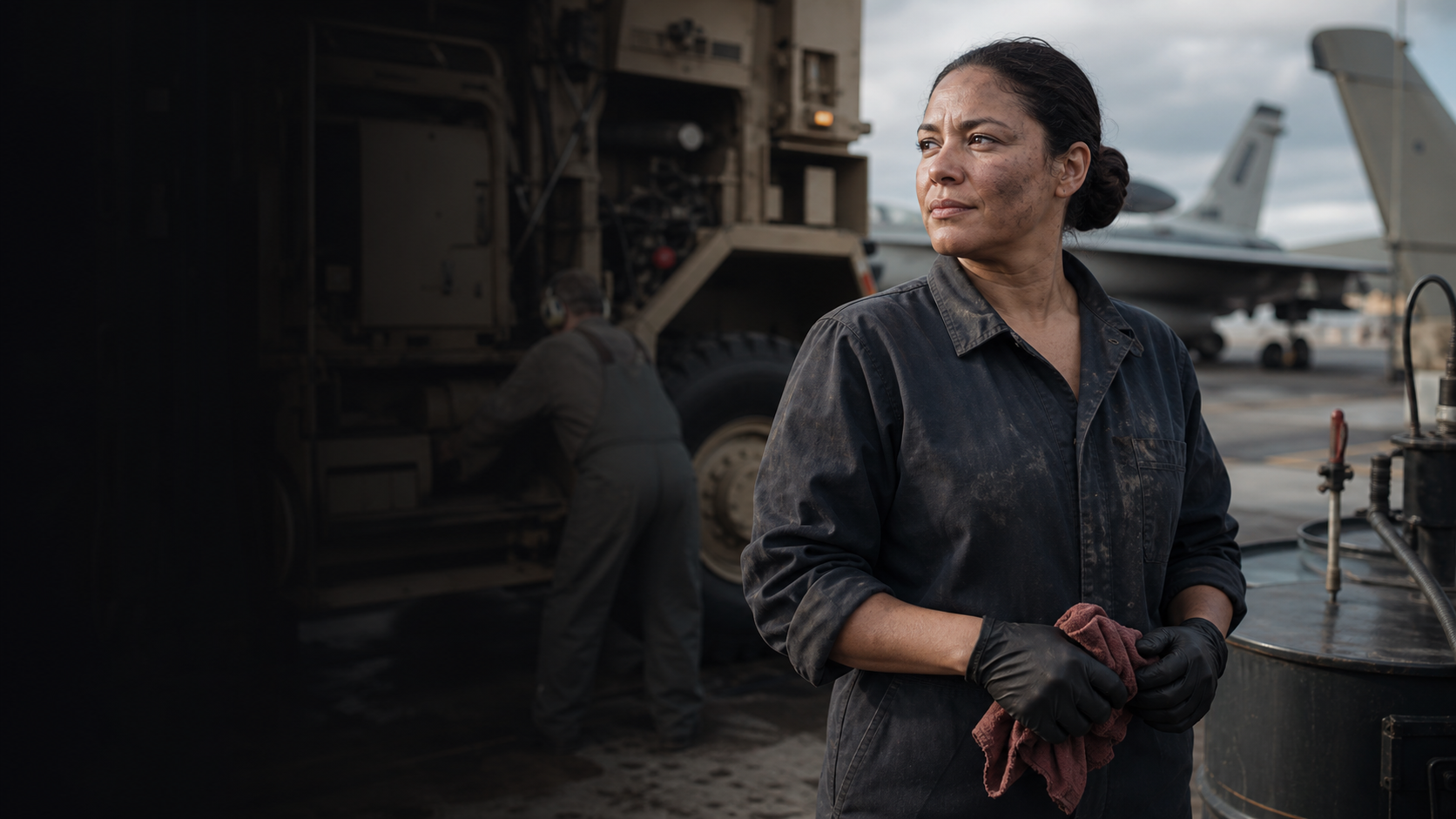
TERA
The facts-found path — and the one most women are never told about. TERA does not assume anything: it reviews your actual service and concedes that you were exposed. That is all it does — and all it needs to do. Once the exposure is conceded, it can support a disability claim for any condition a medical opinion links to that exposure. It turns on what your duties put you around, which is why it reaches veterans of every era.
Toxic Exposure Risk Activity, in plain English
A Toxic Exposure Risk Activity is any duty or activity during your service that put you at risk of a toxic substance — burn-pit smoke, jet fuel, solvents, asbestos, lead, radiation, contaminated water. When the VA agrees you took part in one, that is a TERA determination, and it does two separate things.
First, it opens the door to VA health care and a free toxic exposure screening — no rating required. Second, in a disability claim it concedes the in-service exposure, which is one of the three things every claim needs. Read that next line twice, because it is where almost everyone goes wrong: TERA concedes the exposure. It does not grant the claim.
TERA concedes the exposure — it does not grant the claim
TERA does one job, and it is worth being precise about what that job is. It reviews your service — your locations, your dates, your duties — and puts a formal finding in your record that you were exposed to a toxic substance. That finding is called a TERA determination.
That is where TERA stops. It says nothing about any condition, it does not decide what caused your illness, and it never grants a claim on its own. Once the exposure is conceded, you still have to bring the diagnosis and the medical opinion that ties your condition to that exposure. That part of the claim is on you — and it is where these cases are won or lost.
Three things — and TERA gives you exactly one of them
1. A current diagnosis
A formal, present-day medical diagnosis of the condition you are claiming. TERA does nothing for a condition no doctor has named yet.
2. The conceded exposure
This is the one piece TERA gives you — the VA concedes you took part in a toxic-exposure risk activity, so you no longer have to fight over whether the exposure happened.
3. A medical nexus
An opinion that it is “at least as likely as not” your exposure caused the condition. TERA does not supply this — you or the VA examiner must. It is where these claims are won or lost.
Why TERA reaches veterans of every era
The exposure that harmed you almost always came from what your duties put you around: the fuel you handled, the smoke you breathed, the shop or the barracks you lived in. TERA is how you prove that duty-based exposure and get it conceded on the record. Because those duties happened in every branch and every decade, at bases all over the world, TERA reaches veterans that a single war-era rule never will.
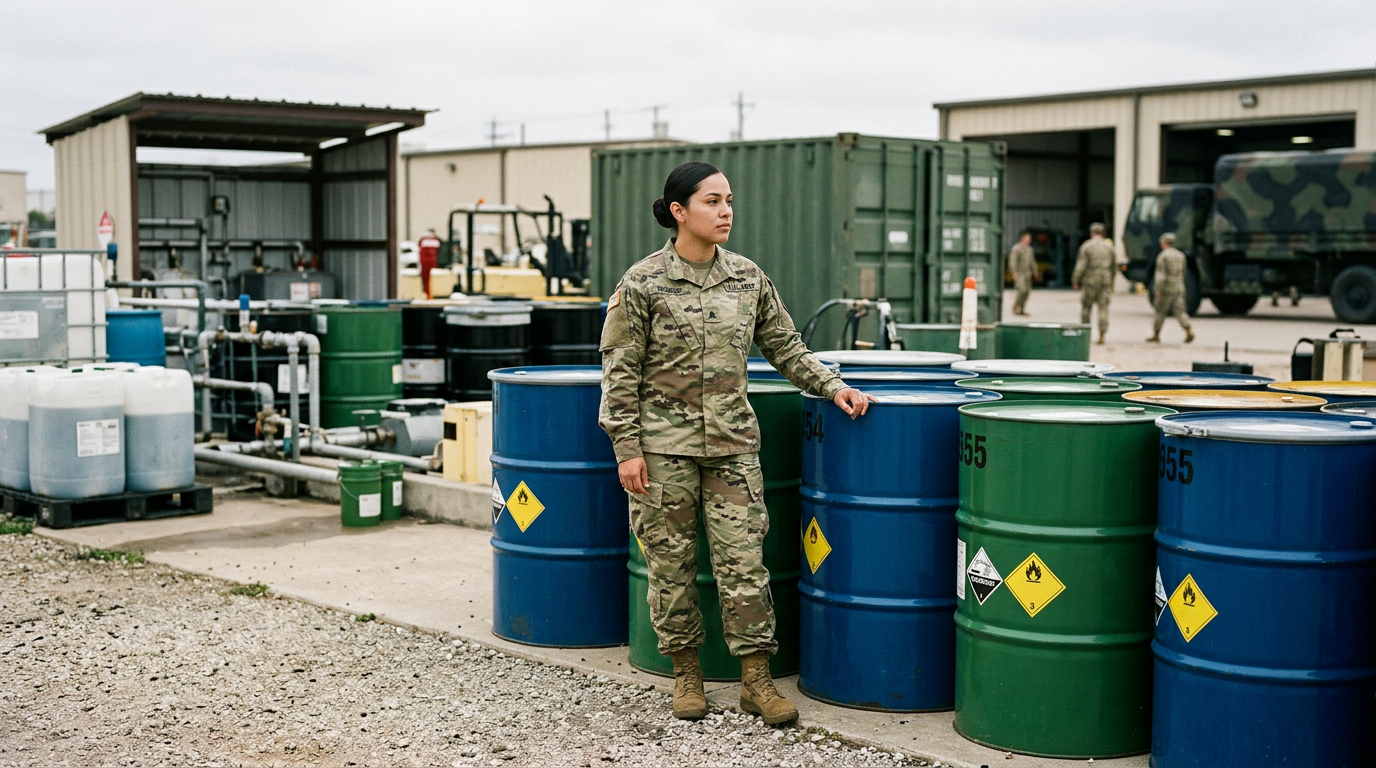
It is not one war or one chemical
People hear “toxic exposure” and picture Agent Orange in Vietnam or burn pits in Iraq. TERA is broader than both. It covers any documented toxic-exposure risk activity across your entire career — a motor pool, a firing range, a fuel farm, an aircraft, a chemical-storage yard, an old barracks lined with asbestos and lead. Those same duties existed in every branch and every decade, which is why TERA reaches a Gulf-era mechanic and a Cold-War-era supply clerk alike.

It is a review, not a list
TERA is not a roster you are either on or off. It is a review of what you actually did and what you were actually around — your locations, your dates, your duties. The VA is required to consider your individual exposure history, and once the exposure is conceded it can support a claim for any diagnosis a medical opinion ties to it. No single war-era cutoff decides it for you.

The exposure record may already exist
The VA builds a TERA determination from your service records, your dates, your locations and your duties — often drawing on the Individual Longitudinal Exposure Record the government already keeps. Most veterans have never heard the term, yet the data behind it may already be sitting in a federal database, unread and unused, waiting for someone to ask for it.

Every branch, every decade
Because it turns on duty rather than a single conflict, TERA reaches women who served in the 1970s and women who separated last year — Army, Navy, Air Force, Marines, Coast Guard, and the Reserves and Guard on active orders. If your job put you near a hazard, the era stamped on your DD-214 does not disqualify you.
How the VA documents your exposure: the TERA memo and your ILER
A facts-found claim is not a leap of faith — it runs on specific records and a specific exam the law can require. Knowing the four moving parts below is what separates a claim that gets a real look from one that gets waved off.
Your ILER
Individual Longitudinal Exposure Record
A Department of Defense and VA database that maps where you served and which hazards were logged at those locations and dates. It is the raw material the VA pulls from — and it is often incomplete for the support jobs women held, which is exactly why it has to be checked.
The TERA Memorandum
The exposure summary in your file
When you file a toxic-exposure claim, the VA compiles a TERA memorandum from your service records and your ILER. This is the document that decides whether the VA agrees you were exposed — and it is handed to the examiner who writes your nexus opinion.
The §1168 exam
A medical opinion the VA must order
Under 38 U.S.C. §1168 the VA is generally required to provide a C&P exam and medical opinion for a TERA claim — the exam that produces your nexus. This is a right, not a favor, and you should expect it.
The “no reasonable indication” trap
The most common early denial
The VA can skip that exam if it decides there is “no reasonable indication” of a connection — and this is the single most common way TERA claims get denied before anyone looks closely. A well-built exposure picture is what keeps your claim from being waved off here.
The everyday duties that count as toxic exposure
None of these require a combat deployment, a combat MOS, or a Southwest Asia tour — and that is precisely why so many women veterans never think to ask for a TERA review. Exposure happens in aircraft maintenance bays, motor pools, supply warehouses, fuel points, medical and dental clinics, firefighting details, and on installations where the water or the soil was already contaminated before you arrived. It happens stateside. It happens in the Reserves and the Guard on active-duty orders. If any of the situations below describe any part of your service, a Toxic Exposure Risk Activity review may apply to you — and asking for one costs nothing, does not open a claim, and puts a permanent finding in your record that can support a claim years from now.
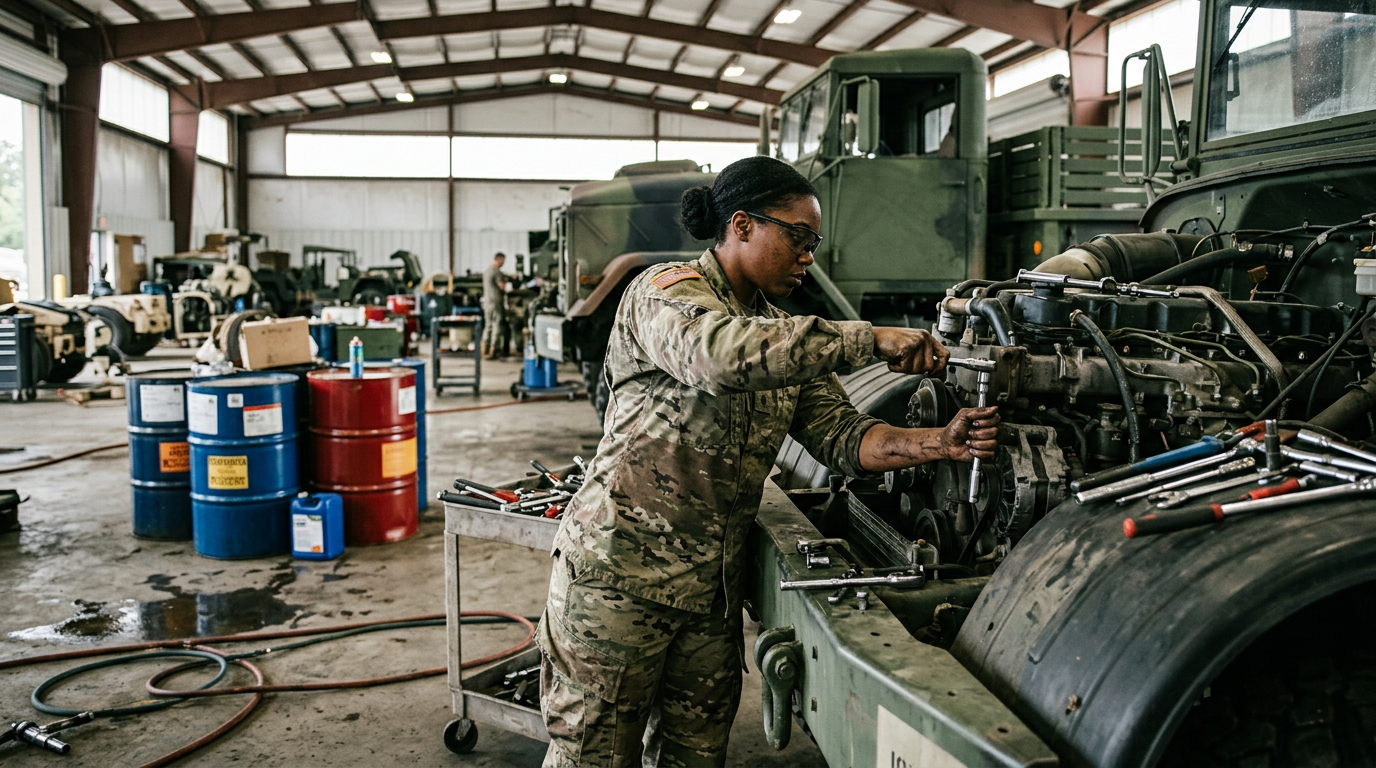
Motor pool & vehicle maintenance
Motor pool, transportation and maintenance personnel exposed to fuels, solvents, degreasers and exhaust.
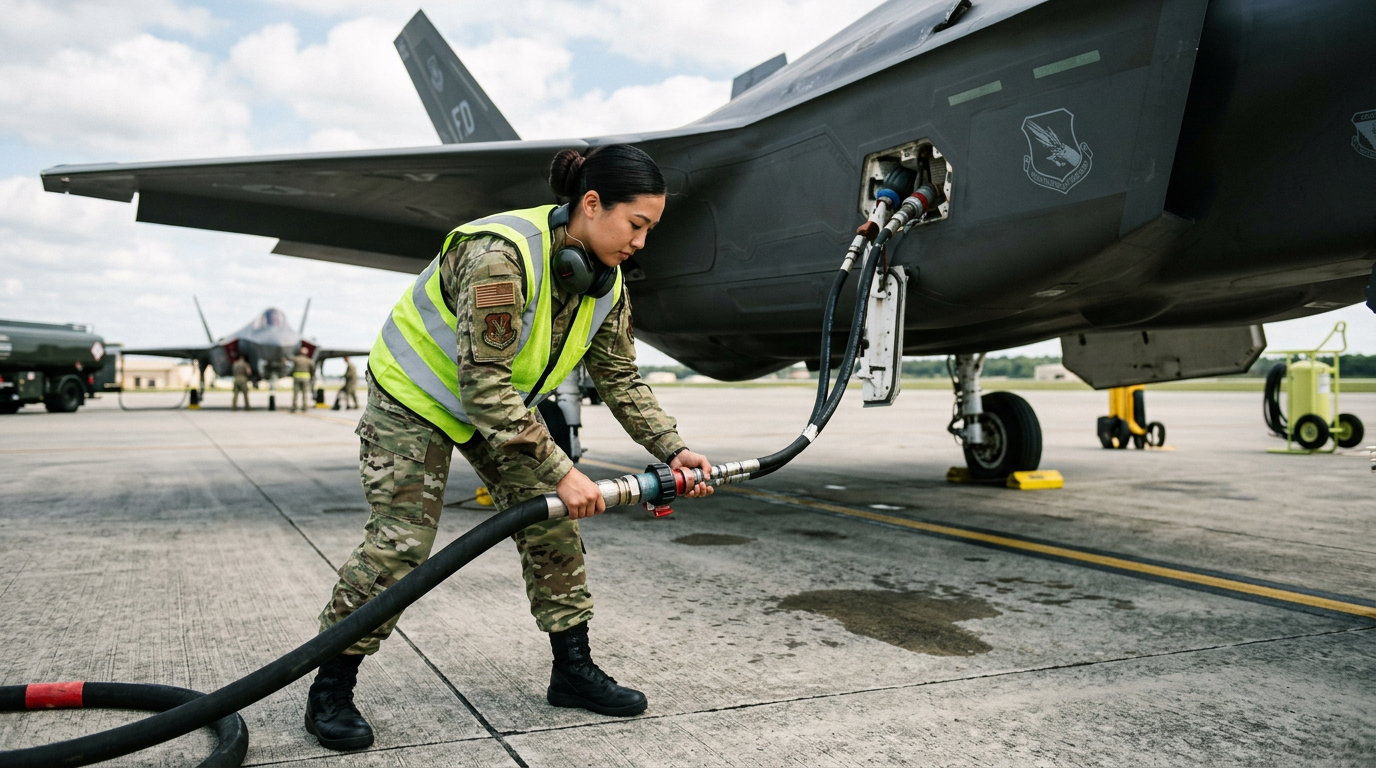
Aircraft & flight-line crews
Aircraft and flight-line crews around jet fuel, hydraulic fluids and de-icing chemicals.
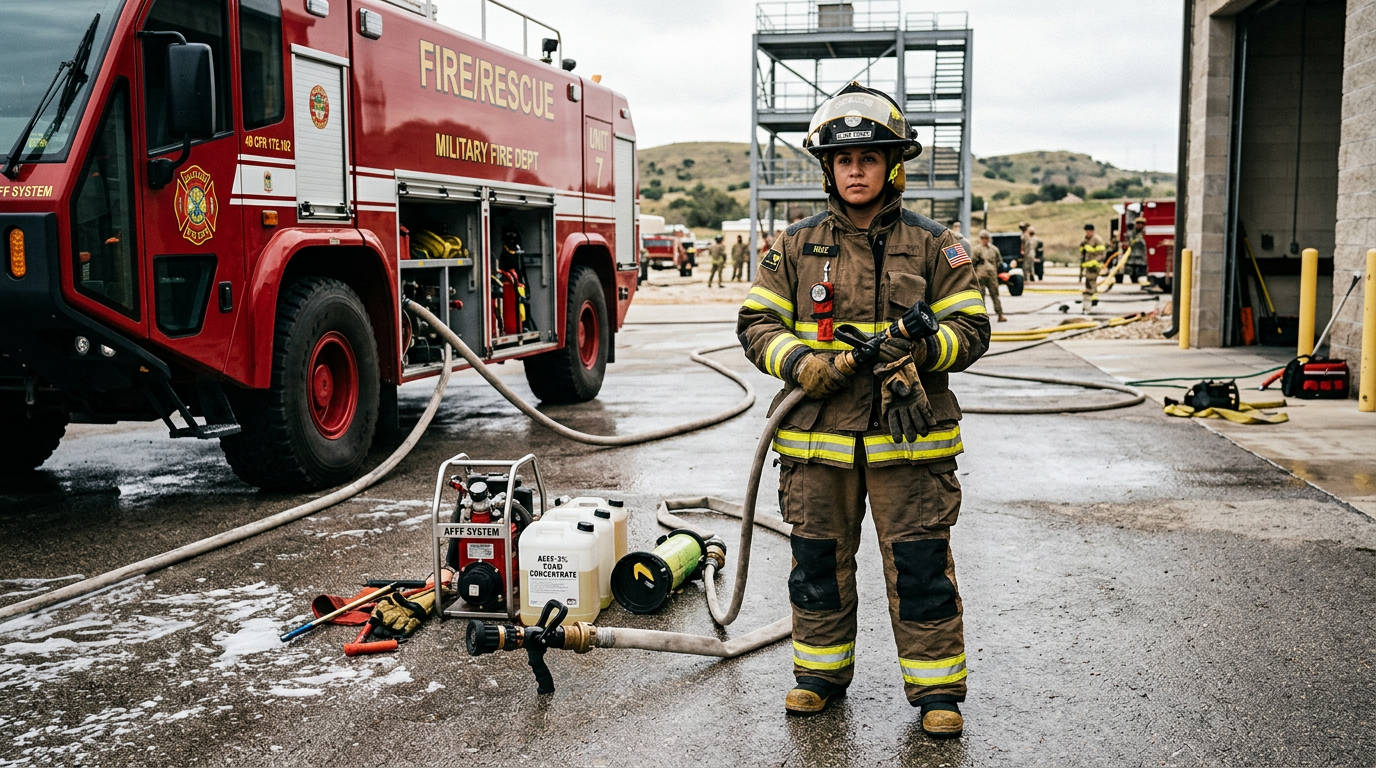
Firefighting & AFFF foam
Firefighters and anyone near AFFF firefighting foam — a source of PFAS “forever chemicals.”
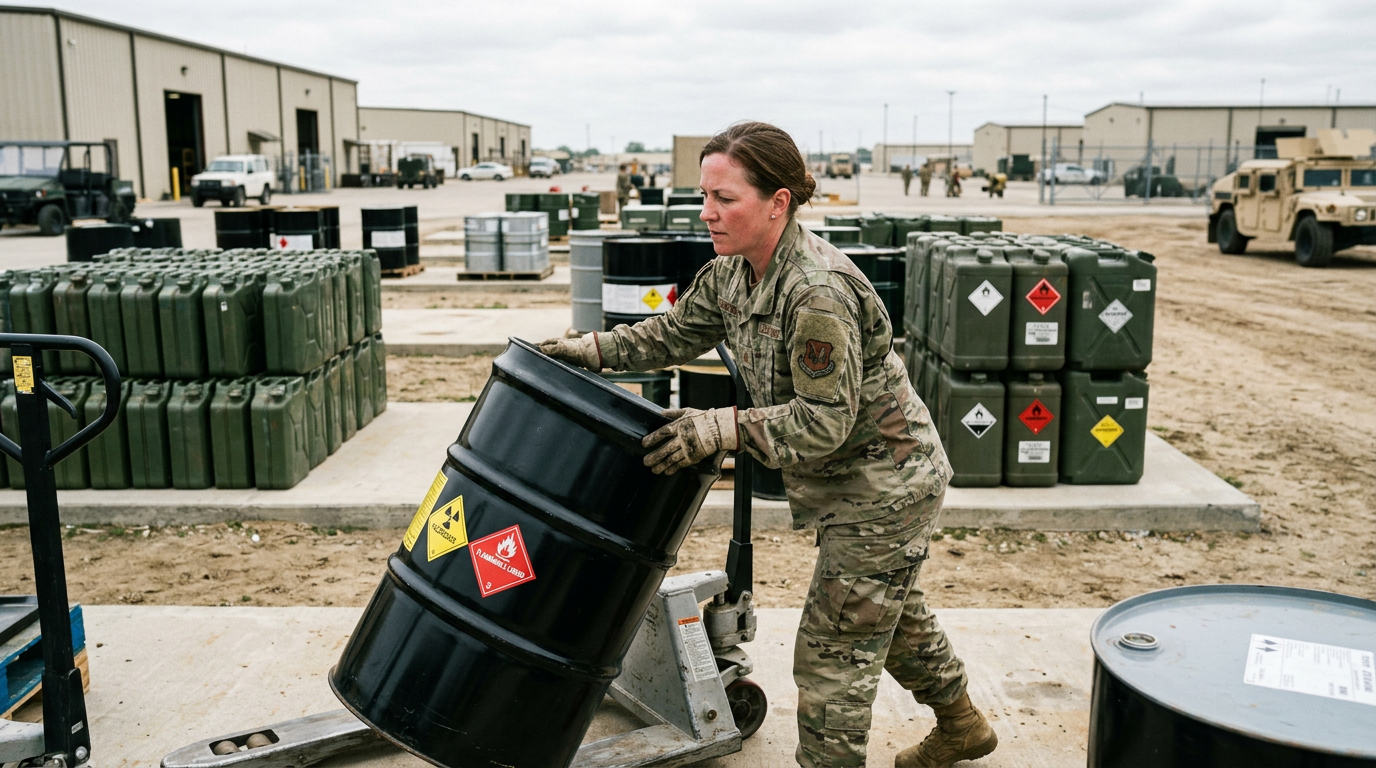
Supply, fuel & chemical storage
Supply, fuel-handling and chemical-storage personnel who moved or guarded hazardous material.
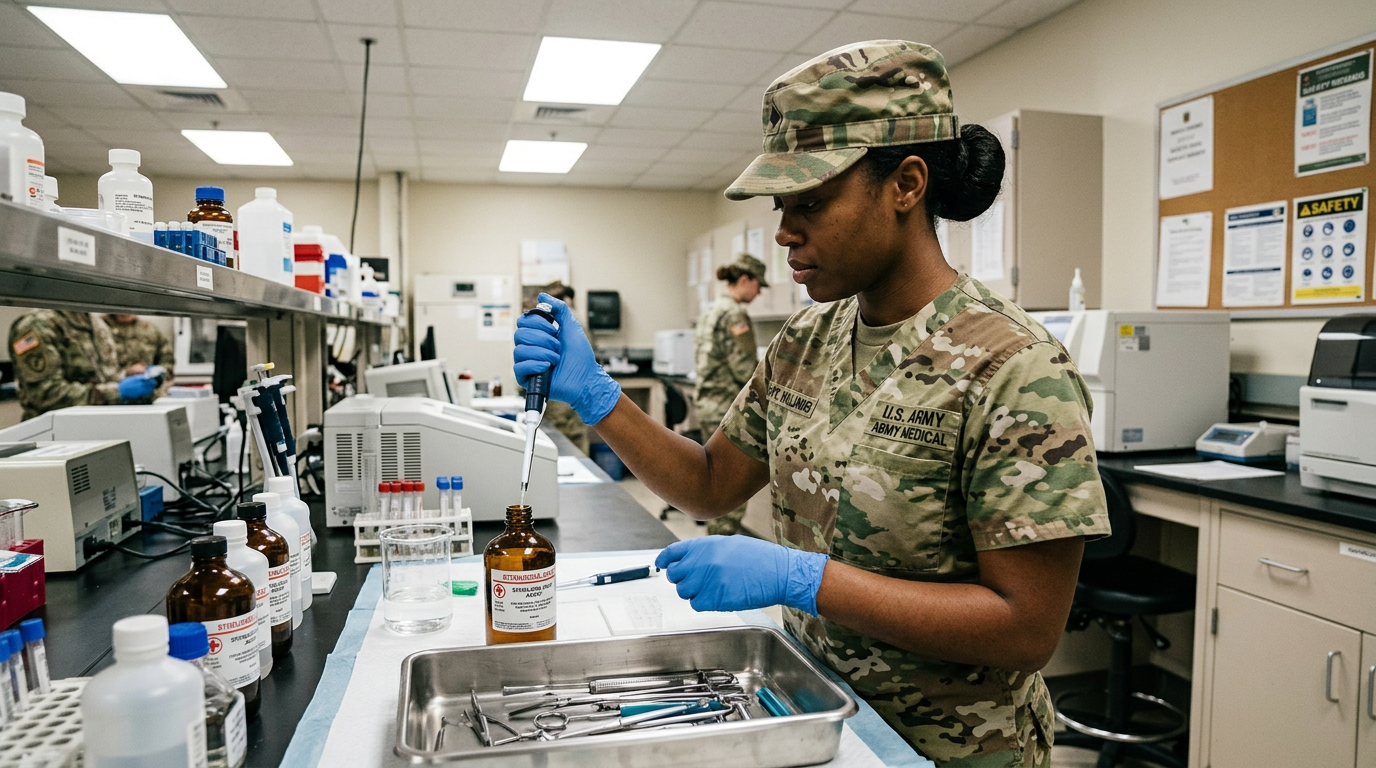
Medical, dental & lab duty
Medical, dental and laboratory staff around sterilizing chemicals, anesthetic gases and radiation.
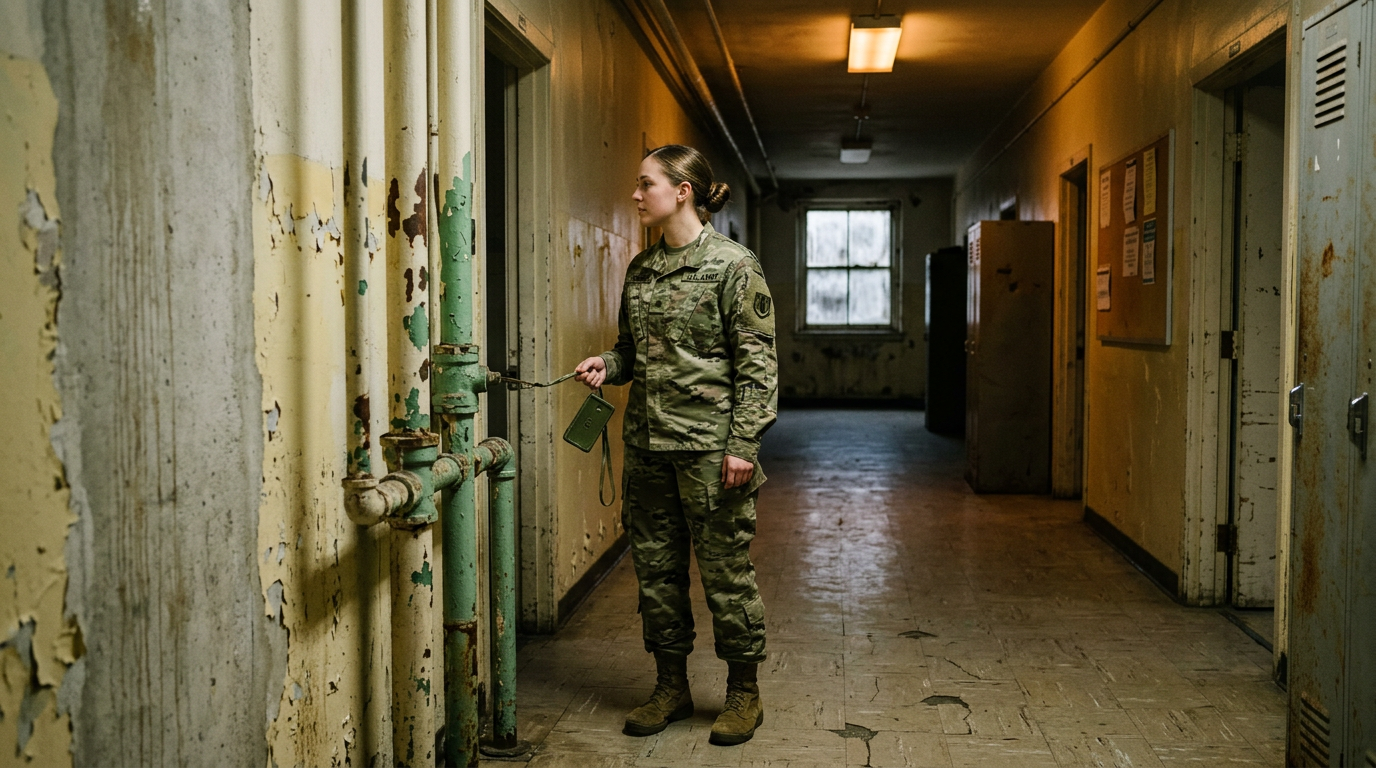
Asbestos & lead-era buildings
Anyone who lived or worked in older buildings and ships lined with asbestos and lead paint.
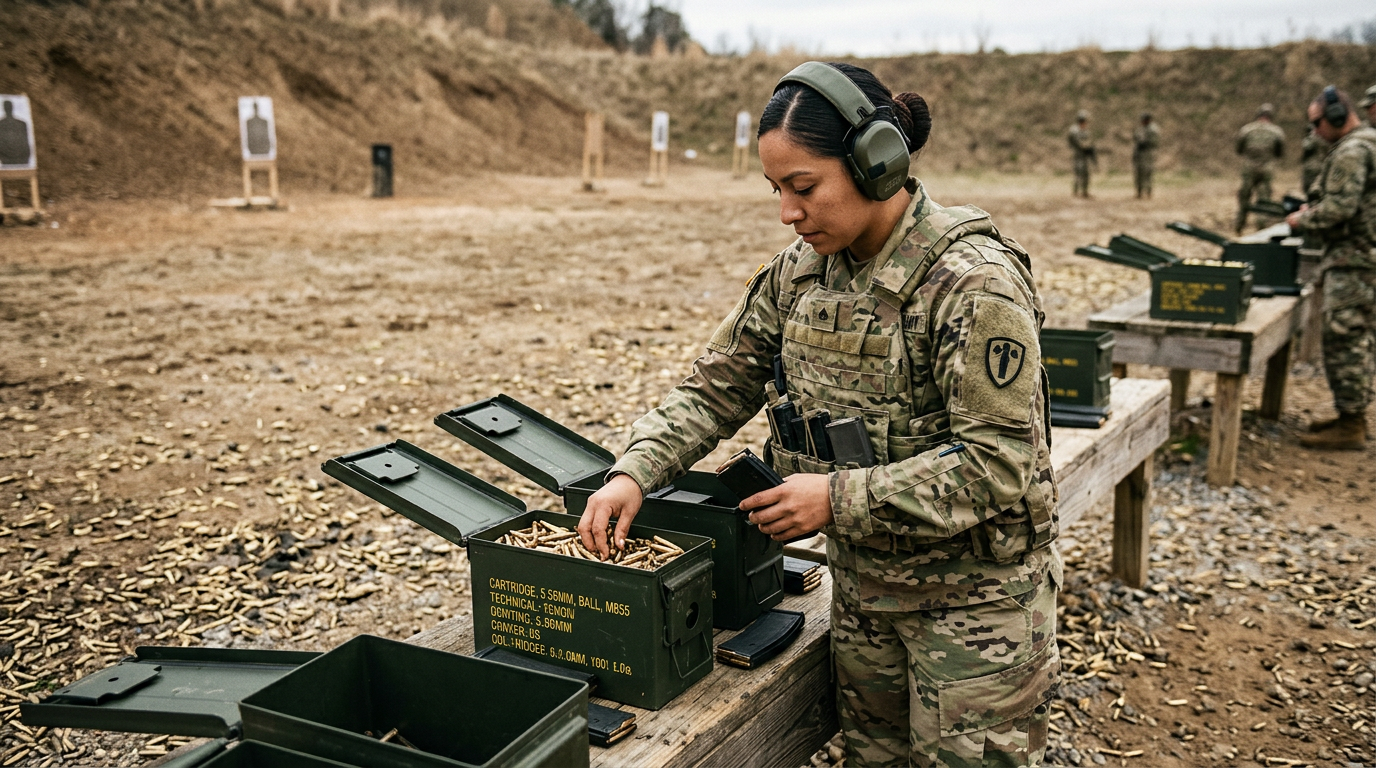
Range, ammunition & demolition
Range, ammunition and demolition personnel exposed to heavy metals, propellants and blast residue.
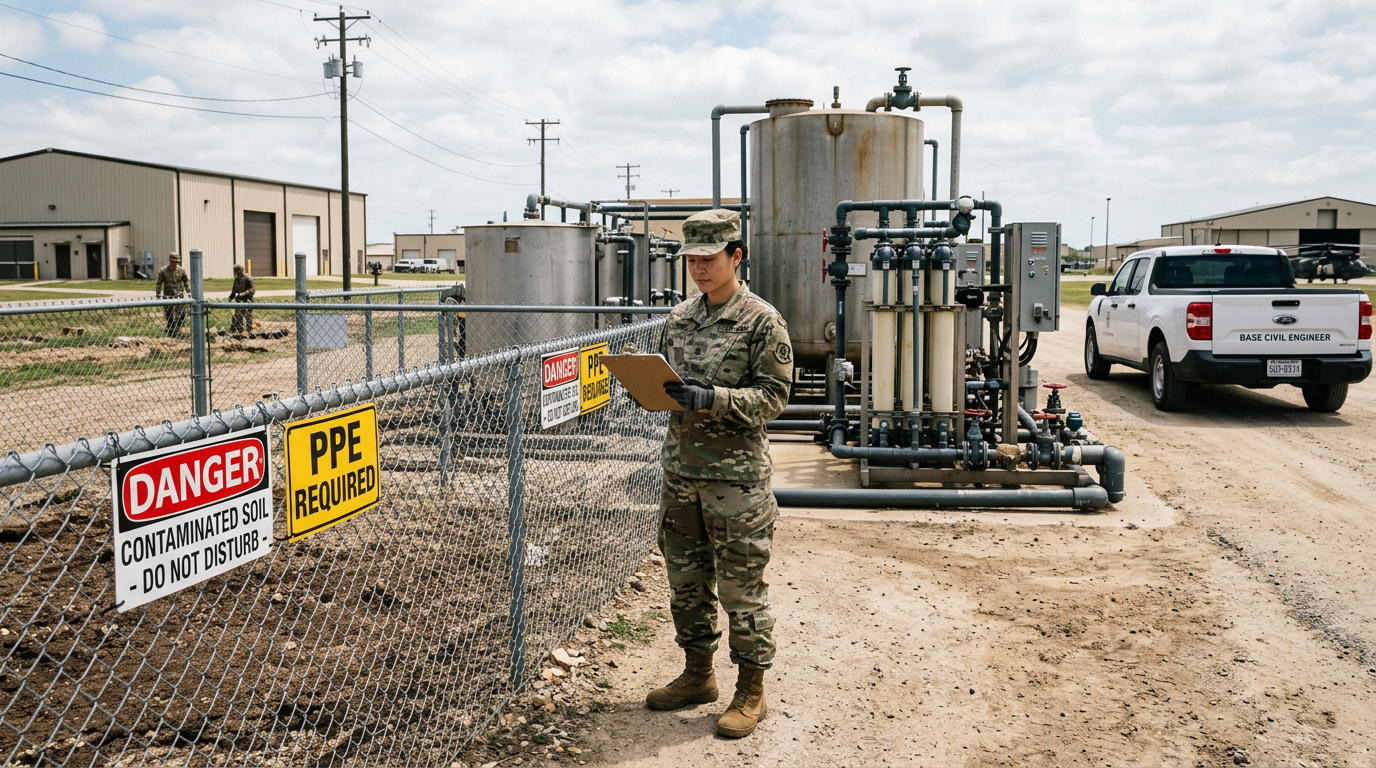
Contaminated base water & soil
Anyone stationed where the base water or soil was already contaminated before they arrived.
Does any one of these describe your service?
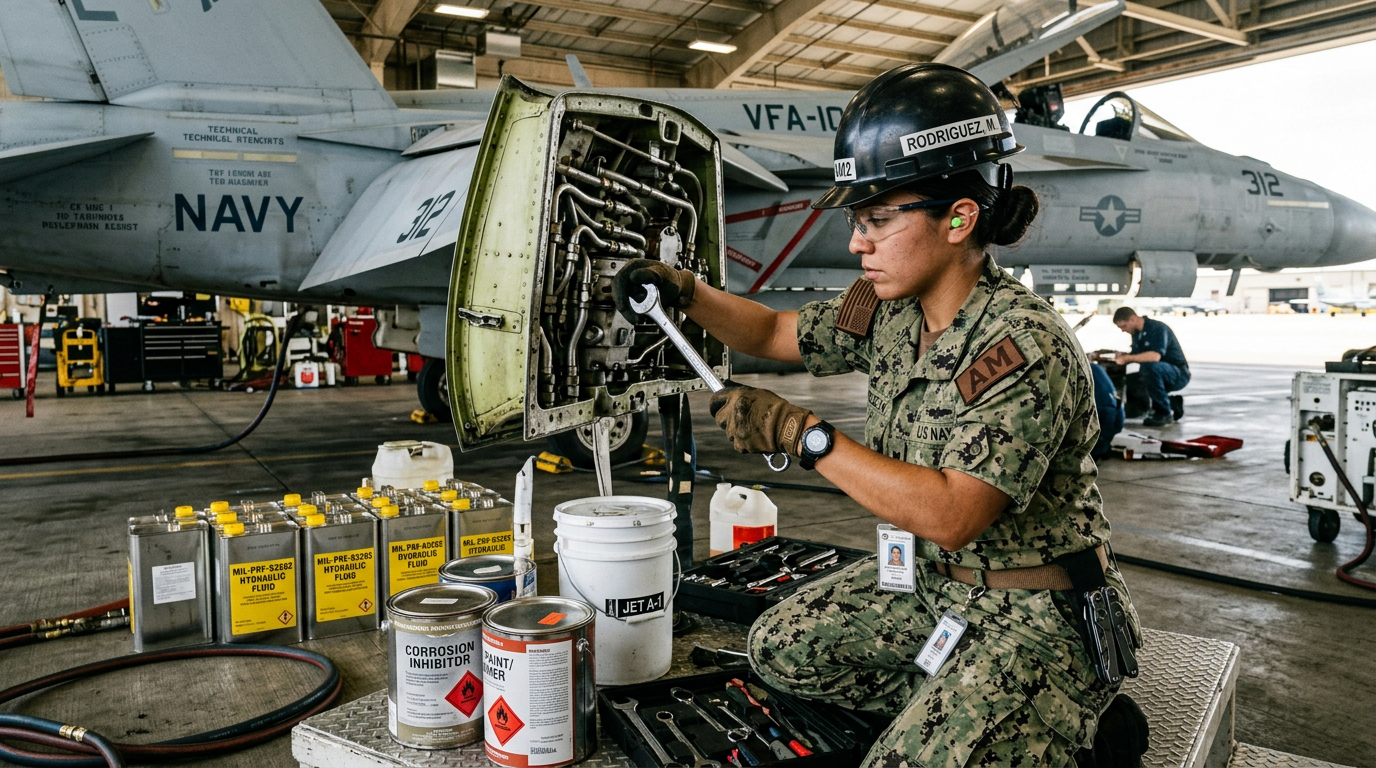
Fuel, smoke & chemicals
You worked around fuel, solvents, exhaust, smoke, paint or chemicals as part of your regular or extra duties.
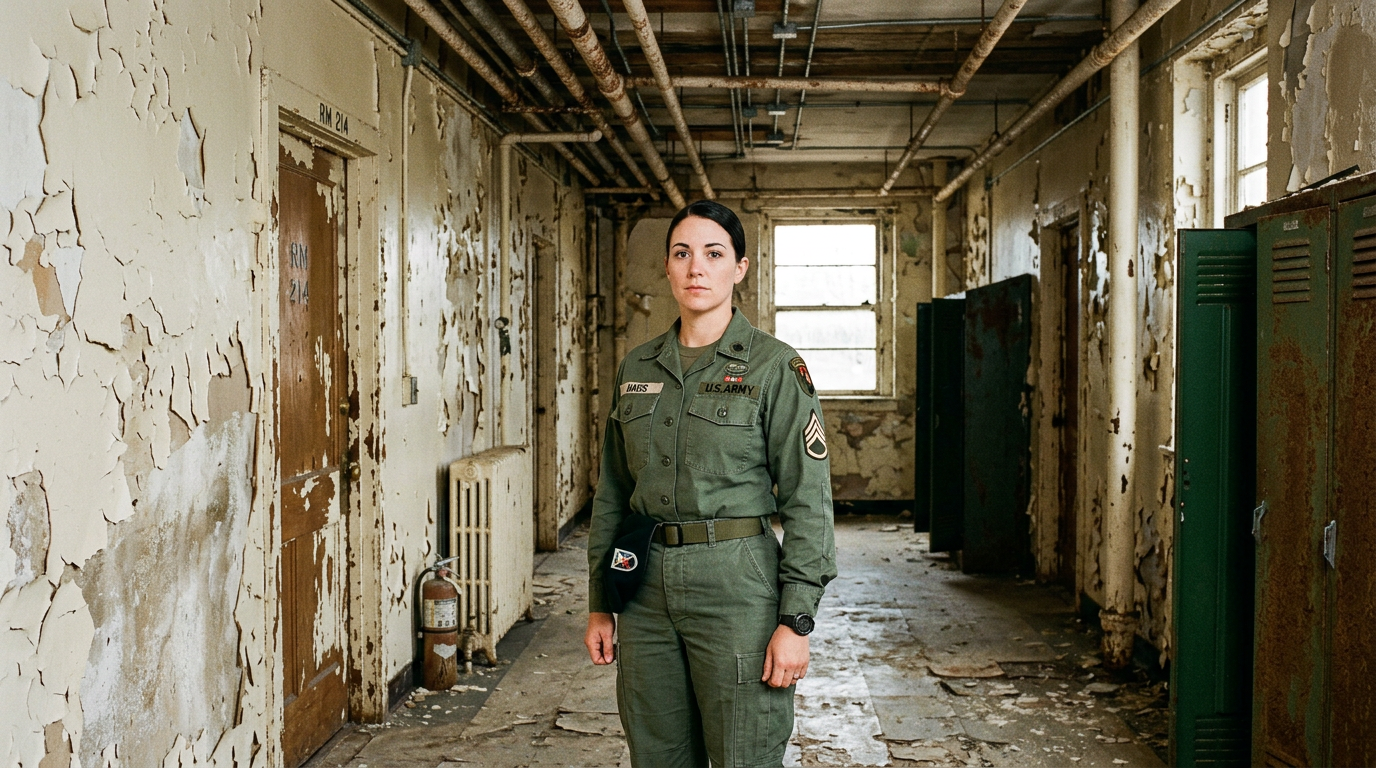
Old barracks & ships
You lived or worked in older barracks, ships or buildings lined with asbestos or lead paint.
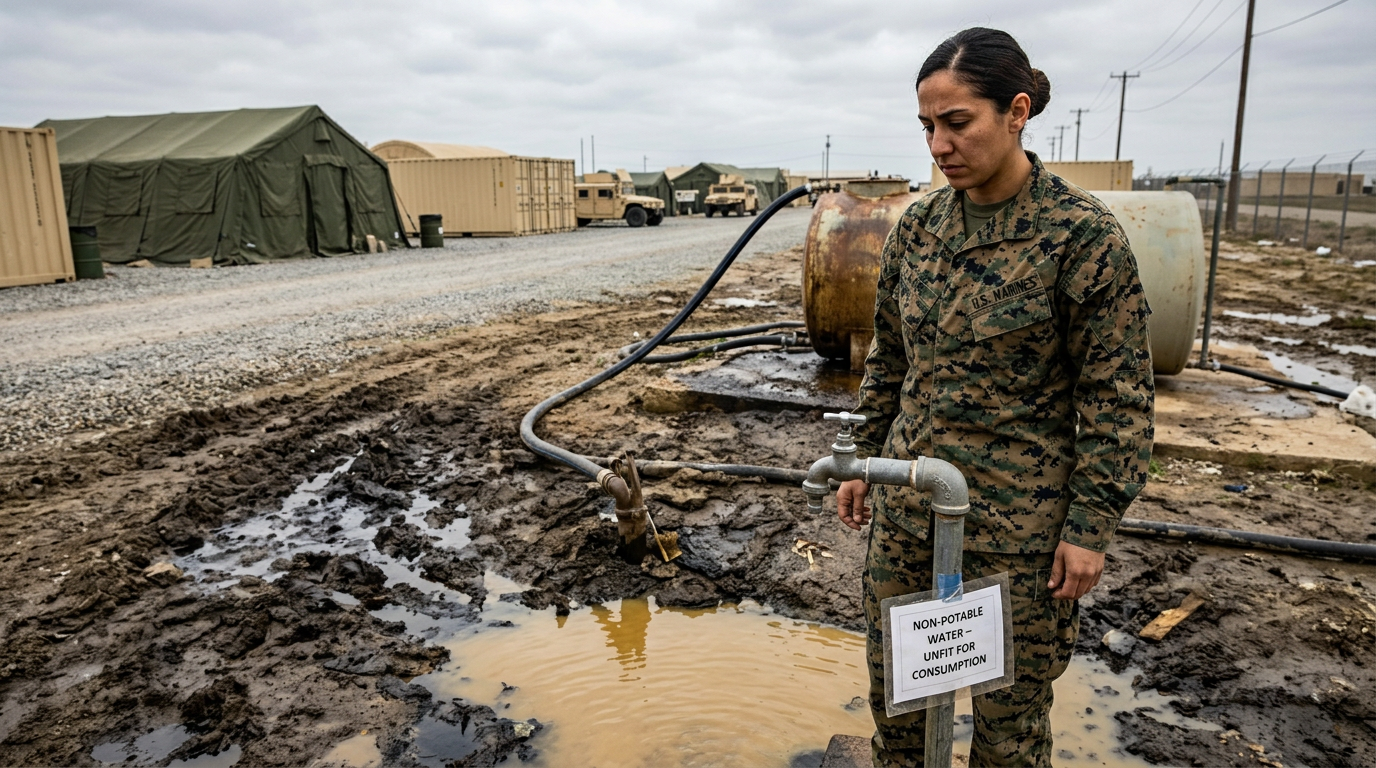
Contaminated water or soil
You were stationed somewhere the base water or soil was later found to be contaminated.

A diagnosis you never linked
You have a current diagnosis you have never connected to anything in your service.
If even one of these sounds like your service, a TERA review may apply to you — and asking for one costs nothing, does not open a claim, and puts a permanent exposure finding in your record that can support a claim years from now.
TERA opens the door — you still have to prove you walked through it
Here is the part almost no one tells you: a TERA determination is earned, not claimed. You cannot simply write “TERA” on a form and expect the exposure to be conceded — you have to prove it, and the bar is higher than most women expect. There is no automatic grant here and no shortcut around the evidence. A toxic-exposure claim runs through the very same review that denies ordinary claims every single day, and it takes real medical documentation to survive — not one quick office visit where you ask a doctor to write a single line. It takes a current diagnosis, a documented exposure, and a medical opinion connecting the two, built to hold up when an examiner is looking for a reason to say no.
 A real example
The clerk whose desk sat on the flight line
Picture an administrative clerk. On paper her job is paperwork — exactly the kind of role the VA waves off as “no exposure.” But her office sat right on the flight line. She did her PT out on that flight line, she carried documents back and forth across it all day, and she breathed the same jet fuel, exhaust and de-icing chemicals as the mechanics turning wrenches a few feet away.
Her exposure was identical to theirs — but because her job title says “clerk,” the burden is on her to prove it. That is TERA in one story: the hazard reaches far past the obvious jobs, and the veteran at the desk has to build the very same evidence as the veteran on the tarmac. Being exposed is not the same as proving it — and TERA only rewards the veteran who does both.
Why TERA matters even more for women veterans
The facts-found nature of TERA is exactly where women lose ground — unless the exposure is reconstructed properly. A facts-found claim runs on your ability to prove what you breathed, touched, or drank, and the records that would prove it were often never built for the jobs women held. Support roles rarely generated exposure documentation. Unit histories tracked the mission, not the motor pool. Industrial hygiene surveys were filed by installation, not by person. The result is a veteran who was genuinely exposed and a file that appears to show nothing. Reconstructing it is a deliberate exercise: duty locations from your DD-214 and every LES, job description from your evaluations, the installation's own environmental record, and buddy statements from people who worked the same bay. Do that and your exposure is conceded and on the record for good.
Their job title hides the exposure
A woman’s MOS on paper rarely captures the extra duties she actually pulled — the details, the fill-ins, the “whatever the unit needed.” TERA is decided on what you did, so an exposure that never made it into your job title gets missed unless someone reconstructs it.
They were told they “weren’t in combat”
Countless women were waved off with “you weren’t on the front line, so you weren’t exposed.” Toxic exposure has nothing to do with a combat badge. It has to do with the air, water and chemicals around your duty station — and women shared every one of them.
Their exposure spans quiet, everyday duty
The most overlooked TERA exposures are not dramatic — they are the years in a shop, a warehouse, a fuel point or an aging barracks. Because it was routine, no one flagged it, and the veteran never thought to claim it.
Using your TERA determination to build a disability claim
TERA is not a claim — it is the exposure determination that supports one. Once the VA concedes the exposure, you use that concession as the foundation of a disability compensation claim. From there you are assembling a chain — you were at this place, this place had this hazard, a qualified medical opinion says your condition is at least as likely as not connected to that hazard. The TERA determination handles the exposure piece; the medical link is on you. Break any link and the claim stalls; complete the chain and it stands on its own.
Reconstruct your exposure
List every base, ship, deployment and duty station with dates, and every job and extra duty that put you near fuels, solvents, smoke, asbestos, lead, radiation or contaminated water. Detail beats vague memory.
Get the exposure conceded
The VA reviews your records and ILER and writes a TERA memorandum deciding whether you had a qualifying toxic-exposure risk activity. Buddy statements and unit records fill the gaps your personnel file leaves out. This is the step that concedes the exposure — and the only step TERA does for you.
Supply the medical nexus
This is the step TERA does not do for you. Your condition needs a medical opinion that it is “at least as likely as not” your exposure caused it. The VA must order a §1168 exam unless it claims “no reasonable indication” of a link — so a private nexus opinion protects you when the C&P examiner shortcuts it.
File and document severity
File VA Form 21-526EZ, attend the C&P exam, and describe your worst days — not your best. The rating is set by how badly the condition limits you.
A won TERA claim pays exactly like any other
There is no discount for a facts-found claim. The VA does not pay less because you had to prove the exposure yourself — once your condition is service-connected and rated, it pays on the standard VA compensation schedule, for life, tax-free at the federal and state level, and it is never repaid. The figures below are for a veteran with no dependents; once your combined rating reaches 30% you can add a spouse, children, or dependent parents with the 21-686c and the monthly amount goes up. Remember too that back pay runs from your effective date, not your decision date — which is why filing an Intent to File on day one matters more than filing a perfect claim three months later.
| Combined rating | Monthly (veteran alone) | Estimated yearly |
|---|---|---|
| Ten percent | $180.42 | ≈ $2,165 |
| Thirty percent | $552.47 | ≈ $6,630 |
| Fifty percent | $1,132.90 | ≈ $13,595 |
| Seventy percent | $1,808.45 | ≈ $21,701 |
| One hundred percent | $3,938.58 | ≈ $47,263 |
Rates are 2026 figures (effective Dec. 1, 2025) for a veteran with no dependents and are rounded estimates for illustration, not a promise of any specific award. Your actual rating and payment depend on your records, your exam, and any dependents — an accredited representative can estimate your true combined rating.
TERA questions women veterans actually ask
Is TERA a type of claim?
No. TERA is an exposure determination, not a claim. It concedes that a toxic-exposure risk activity happened during your service. You still file a disability compensation claim on VA Form 21-526EZ and bring a diagnosis and a medical nexus.
Do I have to have deployed to qualify?
No. TERA turns on your actual duties, not a deployment. Stateside jobs — motor pool, flight line, supply, medical, firefighting — can establish a qualifying exposure on their own.
Does a TERA determination guarantee I get paid?
No. It concedes the exposure only. Your claim is granted when a current diagnosis is tied to that exposure by a medical opinion that it is “at least as likely as not” connected.
What does the VA use to decide?
Your service records, your dates and locations, your duties, and your Individual Longitudinal Exposure Record (ILER). The VA compiles a TERA memorandum from those and hands it to the C&P examiner.
What is the §1168 exam?
Under 38 U.S.C. §1168 the VA is generally required to order a C&P exam and medical opinion for a toxic-exposure claim — unless it decides there is “no reasonable indication” of a link. A strong exposure record keeps your claim from being waved off there.
Why does TERA matter even more for women veterans?
Because it is decided on what you actually did — and the records that would prove women’s exposures were often never built. Reconstructing your duties, duty stations and buddy statements is what gets the exposure conceded.
Get your exposure reviewed — start with a real person
A TERA review is free and you can start it yourself, but the exposure has to be reconstructed correctly or the claim gets waved off. These are the lines that matter — including a VA-accredited claims agent who does this for women veterans every day.
Accredited claims agent
Albert L. Thombs Jr.
VA-Accredited Agent #45147
702-209-5722[email protected]Mon–Fri, 11 AM–6 PM Pacific
Official toxic-exposure resources
Straight from the VA — toxic-exposure screening and claims.