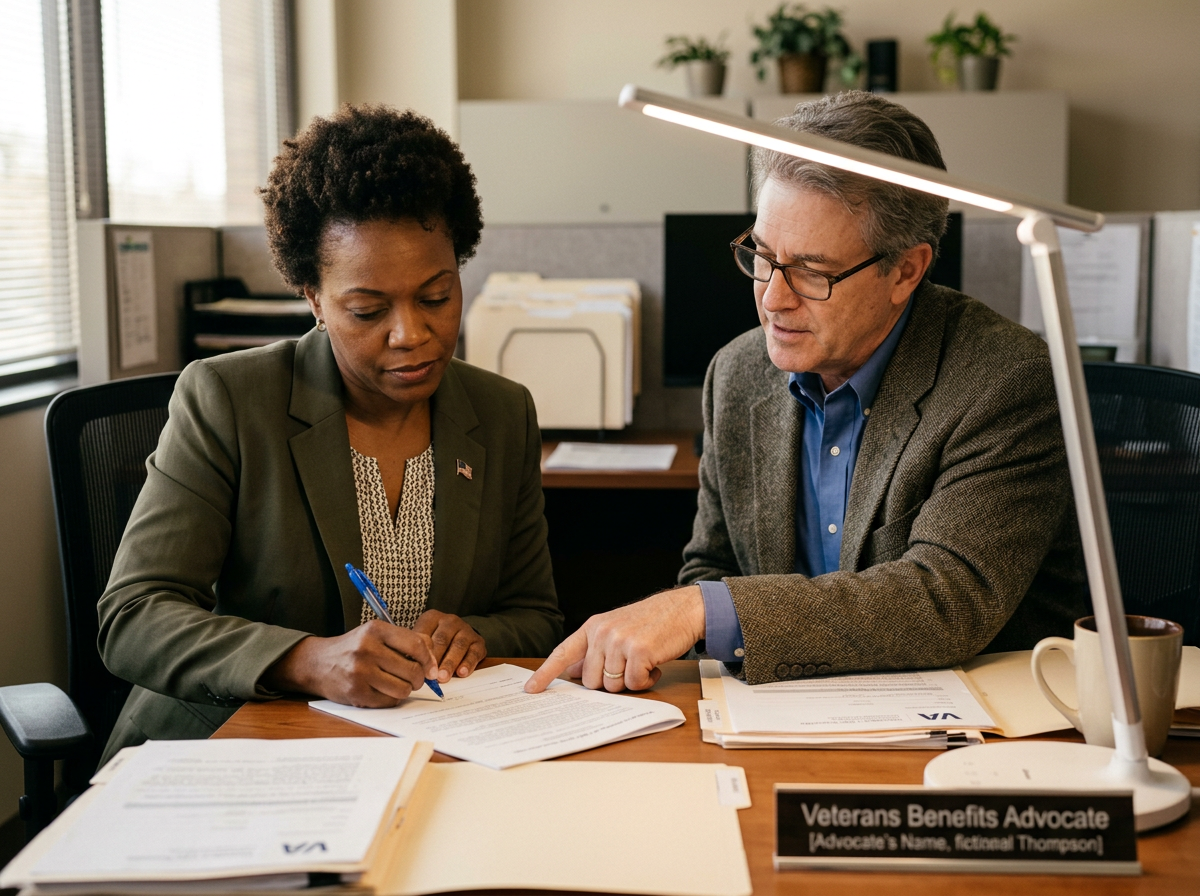
Wellness & Holistic Health for Women Veterans
The VA has moved beyond pills and appointments. Whole Health treats YOU — not just your diagnosis. This guide covers every wellness program, fitness resource, nutritional service, mindfulness practice, creative arts therapy, and complementary medicine option available to women veterans. Your health is not one thing. Your care should not be either.
The VA\'s Whole Health Model — Eight Pillars of Wellness
Whole Health is not alternative medicine — it is integrated medicine. Launched system-wide in 2018, the VA\'s Whole Health initiative wraps complementary therapies, peer support, nutrition, movement, and self-directed wellness around your conventional medical care. A Whole Health Personal Health Inventory starts the process: you and a health coach map what matters to you, identify gaps, and build a plan that treats you as a whole person, not a list of diagnoses. Over 3 million veterans have participated.
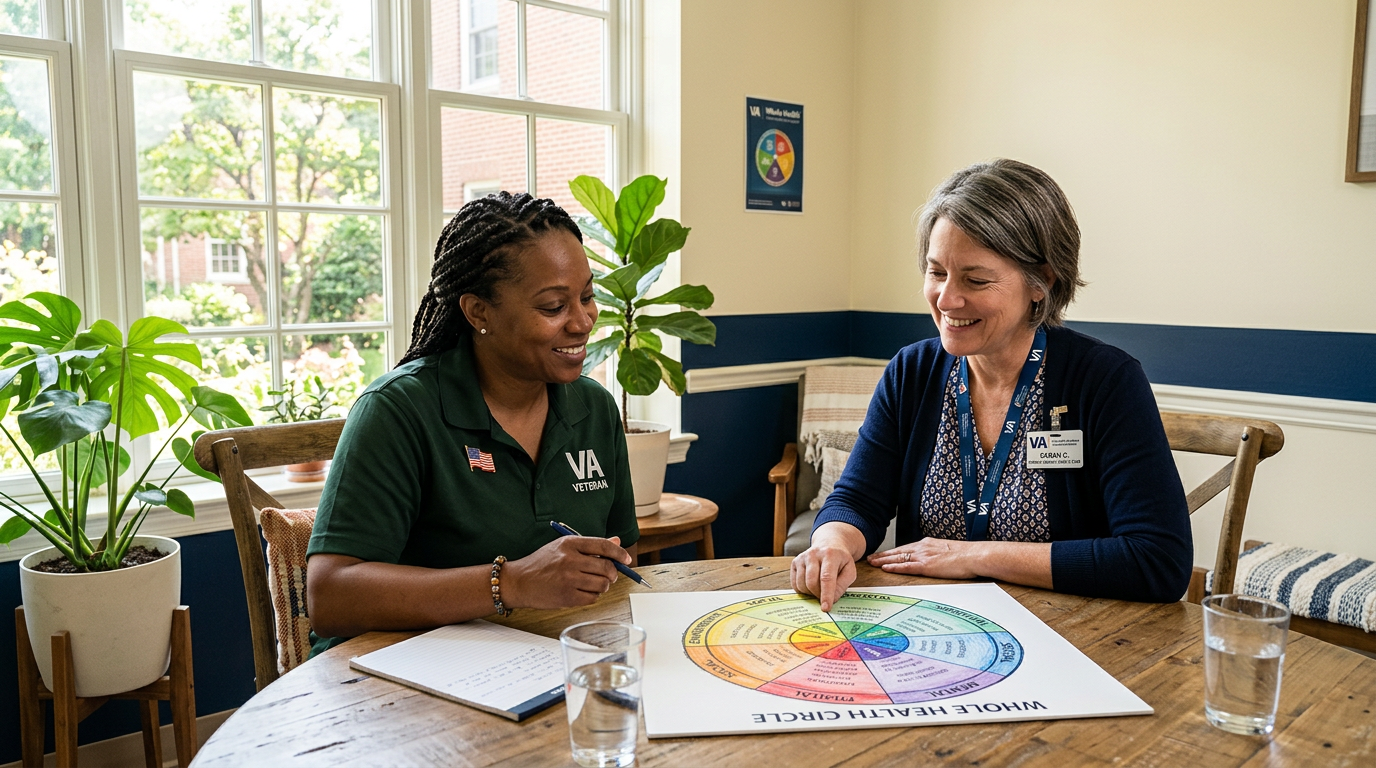
Personal Development
Setting goals, finding purpose, building resilience. Your VA Whole Health coach helps you define what matters most to you — relationships, career, creativity, spirituality — and aligns your health plan around those priorities rather than just treating symptoms. This pillar uses motivational interviewing and personal health inventory assessments to map where you are and where you want to be.
Family, Friends & Co-Workers
Social connection is medicine. Whole Health recognizes that isolation is a health risk factor equal to smoking 15 cigarettes a day (meta-analysis, Holt-Lunstad et al., 2015). Your care team helps you identify relationship strengths, address barriers to connection, and build a support network that sustains your wellness. For women veterans who left the tight-knit military community, this pillar addresses the specific social transition gap.
Food & Drink
Nutrition counseling, cooking classes, anti-inflammatory diet education, and support for conditions like GERD, IBS, and metabolic syndrome that are common in women veterans. VA dietitians work with you to build an eating plan that accommodates service-connected conditions, medications, and your actual life — not a generic diet sheet.
Moving the Body
VA fitness programs, adaptive sports, physical therapy, yoga, tai chi, and movement prescriptions tailored to your disability profile. If pain, prosthetics, or fatigue limit traditional exercise, your Whole Health team finds what works — aquatic therapy, seated yoga, walking programs, wheelchair sports. Movement is prescribed, not lectured.
Surroundings
Your physical environment affects your health. This pillar covers safe housing, air quality, toxic exposure follow-up, noise sensitivity accommodations, and creating healing spaces at home. For women veterans dealing with hypervigilance from PTSD or MST, environmental modifications — lighting, layout, locks, noise control — can meaningfully reduce daily symptom burden.
Working Your Body
Hands-on therapies including massage, chiropractic care, acupuncture, and osteopathic manipulation. These are covered VA benefits when clinically indicated. Many women veterans find manual therapies effective for chronic pain conditions like fibromyalgia, migraines, and musculoskeletal injuries that do not respond well to medication alone.
Power of the Mind
Mindfulness, meditation, guided imagery, clinical hypnosis, biofeedback, and cognitive behavioral therapy for insomnia (CBT-I). These evidence-based approaches are delivered by VA psychologists, social workers, and trained Whole Health facilitators. Research shows mindfulness-based stress reduction (MBSR) reduces PTSD symptom severity by 25–40% in veteran populations.
Spirit & Soul
Chaplaincy, spiritual direction, meaning-making activities, and moral injury support. This is not about religion — it is about the existential questions military service raises. VA chaplains are trained in moral injury, grief, and the spiritual dimension of trauma. Available to veterans of any faith tradition or none.

Fitness Programs & Adaptive Sports
Military service trained your body to perform. Service-connected disabilities may have changed what performance looks like — but the VA has programs that meet you where you are. From adaptive sports competitions to weight management coaching to pelvic-floor-specific physical therapy, these programs are designed for veteran bodies and veteran barriers.
VA Adaptive Sports
The VA National Veterans Sports Programs & Special Events office runs adaptive sports clinics, camps, and competitions — including the National Veterans Wheelchair Games, Golden Age Games, Winter Sports Clinic, Summer Sports Clinic, and Creative Arts Festival. Women veterans participate in wheelchair basketball, cycling, swimming, archery, kayaking, skiing, and dozens of other sports. Equipment and travel are covered. Contact your VA Recreation Therapist or visit VA.gov/adaptive-sports.
MOVE! Weight Management
MOVE! is the VA's evidence-based weight management program offering individual and group coaching, nutrition education, physical activity planning, and behavioral counseling. MOVE! is available in-person and via telehealth. The program runs in 8–16 week cycles with ongoing support. Eligible to any veteran enrolled in VA healthcare. Studies show MOVE! participants lose an average of 5–10% of body weight, which significantly reduces diabetes, heart disease, and joint pain risk.
Physical Therapy & Rehab
VA physical therapy addresses service-connected musculoskeletal injuries, chronic pain, post-surgical recovery, and mobility limitations. Women veterans commonly need PT for pelvic floor dysfunction, back injuries, stress fractures, and conditions aggravated by military equipment designed for male bodies. VA PT programs include aquatic therapy, dry needling, manual therapy, and progressive exercise prescription. Ask your primary care provider for a referral.
Recreation Therapy
Recreation therapists use structured leisure activities — sports, arts, nature outings, community events — as clinical interventions. RT is particularly effective for veterans managing PTSD, TBI, depression, and social isolation. Programs are adapted to your physical and cognitive abilities. Many VA facilities run outdoor adventure programs (hiking, kayaking, equine therapy) that combine physical activity with mental health support.
Nutrition Services & Food Support
What you eat affects everything — pain levels, energy, mental health, sleep, and recovery. VA nutrition services go beyond handing you a diet sheet. Registered dietitians, teaching kitchens, and food insecurity programs work together to make healthy eating realistic, affordable, and sustainable for your specific conditions and your actual life.
Individual Nutrition Counseling
VA registered dietitians provide one-on-one counseling for weight management, diabetes management, heart-healthy eating, renal diets, and conditions common in women veterans like PCOS, thyroid disorders, and iron-deficiency anemia. Counseling is available in-person and via VA Video Connect telehealth. No separate referral needed — ask your primary care team or self-refer through your WVPM.
Healthy Teaching Kitchen
VA's Healthy Teaching Kitchen program runs hands-on cooking classes at VA Medical Centers. Learn to prepare anti-inflammatory meals, budget-friendly nutrition, meal prep strategies, and recipes that accommodate dietary restrictions. Classes are free, social, and therapeutic — combining nutrition education with the community-building that many women veterans need. Available at growing number of VA facilities; ask your Whole Health team.
Veterans Canteen Service Nutrition
VA Medical Center canteens now offer expanded healthy menu options including labeled calorie counts, heart-healthy selections, and grab-and-go meals aligned with VA dietary guidelines. Many facilities have partnered with local farms for fresh produce. While not a standalone program, improved canteen nutrition supports the wellness ecosystem for veterans who spend significant time at VA facilities.
Food Insecurity Support
If you are struggling to afford food, VA social workers can connect you to food assistance programs — SNAP benefits, local food banks, Meals on Wheels, and veteran-specific food assistance nonprofits like Veterans Community Project and Feeding America's veteran initiatives. Food insecurity affects an estimated 27% of post-9/11 veterans. Your VA social worker or WVPM can screen you and connect you to resources without stigma.

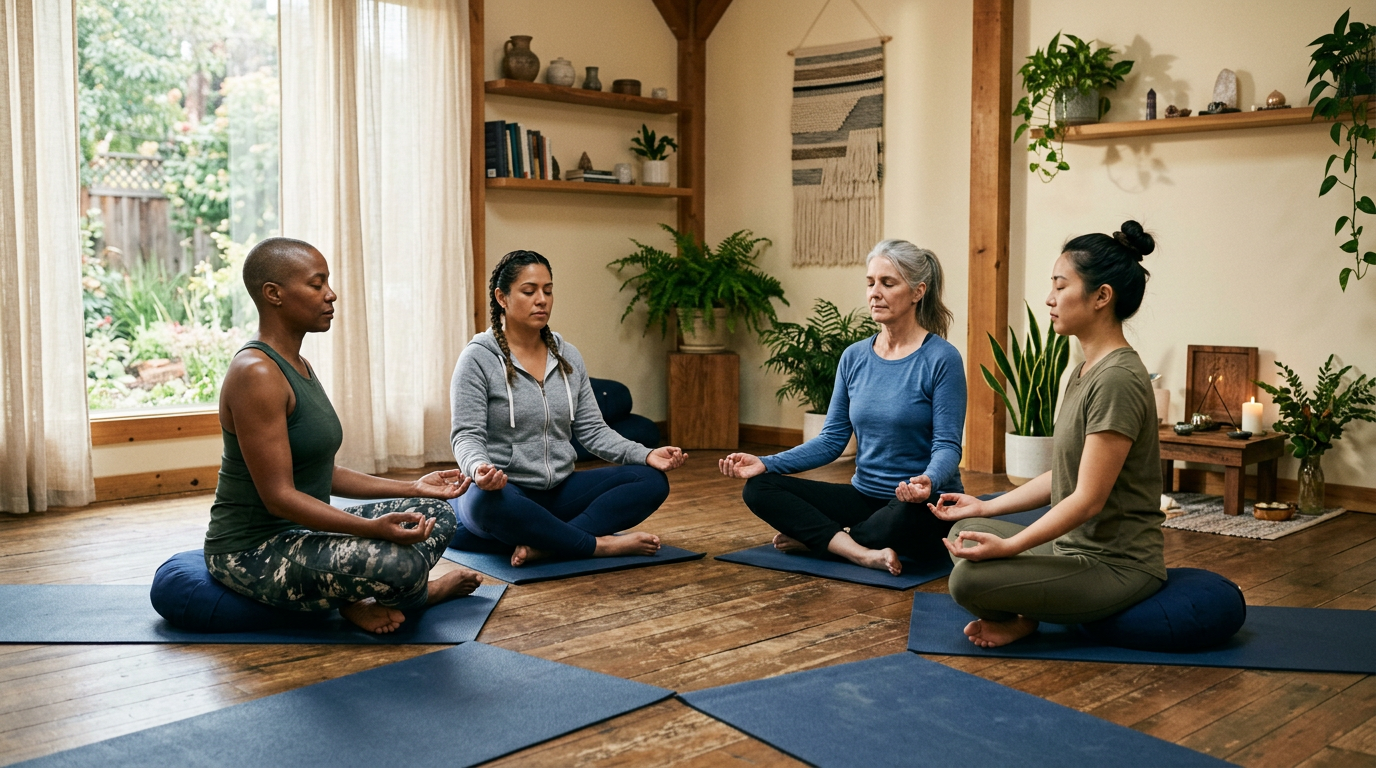
Mindfulness, Yoga & Mind-Body Practices
Mindfulness is not sitting cross-legged and emptying your mind. It is a clinical skill that rewires how your brain processes stress, pain, and trauma. The VA offers evidence-based mindfulness programs with measurable outcomes — not vague wellness advice. These practices are prescribed by clinicians, validated by research, and free at VA facilities.
Mindfulness-Based Stress Reduction (MBSR)
An 8-week structured program developed at UMass Medical School and adapted for veteran populations. MBSR teaches body scanning, sitting meditation, mindful movement, and informal mindfulness practices. VA research shows MBSR reduces PTSD symptom severity, chronic pain, anxiety, and insomnia in women veterans. Programs are offered at many VA Medical Centers and via telehealth. MBSR is a clinical intervention, not a relaxation exercise — expect homework, guided practice, and measurable outcomes.
Yoga for Veterans
VA facilities across the country offer yoga classes tailored to veterans — including trauma-sensitive yoga for MST and PTSD survivors. Trauma-sensitive yoga uses choice-based language ("you might try" instead of "do this"), avoids hands-on adjustments, and emphasizes body awareness and agency. Classes are free at VA facilities. If your local VA does not offer yoga, organizations like Warriors at Ease and Connected Warriors train yoga teachers in veteran-specific approaches.
Tai Chi & Qigong
Low-impact, evidence-based movement practices that improve balance, reduce fall risk, decrease chronic pain, and lower stress hormones. VA research published in the Journal of Alternative and Complementary Medicine found tai chi reduced PTSD symptoms and improved sleep quality in veterans. Classes are offered at many VA facilities and Vet Centers. Tai chi is particularly suited to veterans with mobility limitations — many forms can be practiced seated.
Guided Meditation & Apps
VA's mobile apps — Mindfulness Coach, PTSD Coach, Insomnia Coach, and CBT-i Coach — provide guided meditations, breathing exercises, sleep protocols, and self-monitoring tools. All are free, do not require VA enrollment, and are available on iOS and Android. Mindfulness Coach includes a progressive 14-day training plan that builds from 5-minute to 20-minute sessions. These apps are clinician-designed and research-validated, not commercial meditation products.
Creative Arts — Healing Through Expression
Art therapy, music therapy, therapeutic writing, and performing arts are not recreational activities at the VA — they are clinical interventions delivered by licensed therapists. Creative arts therapy reaches parts of trauma that verbal processing cannot, and it provides expression for experiences that do not fit into words. You do not need to be talented. You need to be willing to try.
Art Therapy
Licensed art therapists at VA facilities use drawing, painting, sculpture, and mixed media as clinical interventions for PTSD, depression, TBI, and chronic pain. Art therapy works through non-verbal processing — it reaches trauma memories that talk therapy sometimes cannot access. Women veterans report high engagement with art therapy because it provides expression without the pressure of verbal disclosure. No artistic talent required; the process is the treatment.
Music Therapy
Board-certified music therapists use songwriting, drumming, instrument instruction, guided listening, and vocal exercises to address mental health, pain, and cognitive rehabilitation. VA music therapy programs have demonstrated measurable improvements in PTSD symptom scores, pain perception, and social engagement. Programs are available at many VA Medical Centers and through Creative Forces, the NEA's military healing arts network.
Writing & Journaling
Therapeutic writing programs — including the VA's partnership with the National Endowment for the Arts (Creative Forces) — help veterans process military experiences through structured writing exercises, poetry workshops, and memoir projects. Research by James Pennebaker (University of Texas) shows expressive writing reduces PTSD symptoms, decreases healthcare utilization, and improves immune function. Many Vet Centers and VA Mental Health departments offer writing groups.
Creative Arts Festival
The annual National Veterans Creative Arts Festival is the culmination of a nationwide VA competition in art, music, dance, drama, and creative writing. Veterans compete at local and regional levels, with gold medalists advancing to a week-long national festival. Categories span visual arts, performing arts, and literary arts. The festival celebrates artistic achievement and provides a supportive community of creative veterans. Contact your VA Recreation Therapy department to enter.

Complementary Therapies — Covered by the VA
These are not fringe treatments. Acupuncture, chiropractic care, massage therapy, and equine-assisted therapy are evidence-based modalities covered by the VA when clinically indicated. They are part of the VA\'s integrated pain management strategy — designed to reduce reliance on opioids and give veterans effective, non-pharmacological options for chronic conditions.
Acupuncture
VA covers acupuncture for chronic pain, headaches, PTSD, and other conditions when clinically indicated. Battlefield Acupuncture (BFA) — a quick, 5-point auricular protocol — is available at many VA primary care clinics as a same-day pain management tool. Traditional acupuncture sessions are available through VA Pain Management and Whole Health programs. Evidence supports acupuncture for musculoskeletal pain, migraine prevention, and stress reduction.
Chiropractic Care
Under the VA MISSION Act and 38 CFR §17.5600, chiropractic care is available at VA Medical Centers and through community care referrals. Chiropractic treatment addresses back pain, neck pain, headaches, and musculoskeletal conditions that are among the most common service-connected disabilities in women veterans. Many VA facilities now have on-site chiropractors. Ask your primary care provider for a referral.
Massage Therapy
VA Whole Health programs include therapeutic massage for chronic pain, stress, anxiety, and PTSD-related muscle tension. Massage therapy is offered at many VA Medical Centers as part of integrated pain management. For women veterans, availability of same-gender massage therapists is important — request this when scheduling. Massage is a VA benefit when ordered by a VA provider as part of your care plan.
Equine-Assisted Therapy
Horse-assisted therapy programs — including therapeutic riding, equine-facilitated psychotherapy, and stable management activities — are offered through VA partnerships with organizations like Horses for Heroes, EAGALA, and PATH International. Equine therapy has shown promising results for PTSD, anxiety, and social isolation in veteran populations. Programs are typically free for veterans through nonprofit partnerships.
Six Steps to Your Whole Health Plan
You do not have to enroll in everything at once. Start with one step, one program, one conversation. Whole Health is designed to meet you where you are.
Enroll in VA Healthcare
If you are not already enrolled, start with VA Form 10-10EZ. Apply online at VA.gov, call 877-222-8387, or visit your nearest VA Medical Center. Enrollment opens the door to every wellness program on this page.
Request a Whole Health Personal Health Inventory
Ask your primary care provider or WVPM for a Whole Health referral. A health coach will guide you through a Personal Health Inventory — mapping your goals, values, and what matters most to you. This is the foundation of your personalized wellness plan.
Meet Your WVPM
Every VA Medical Center has a Women Veterans Program Manager. She is your navigator for women-specific programs — including women-only yoga, peer groups, nutrition counseling, and creative arts. Call your VA and ask for the WVPM by name.
Download the VA Apps
Install Mindfulness Coach, PTSD Coach, Insomnia Coach, and Move Coach on your phone. They are free, clinician-designed, and work without VA enrollment. Start with Mindfulness Coach's 14-day guided program — 5 minutes a day.
Try One Complementary Therapy
Ask your provider about acupuncture for pain, yoga for stress, or art therapy for trauma processing. Try one session before committing. Many women veterans discover that complementary approaches work better than they expected — especially in combination with conventional treatment.
Build Your Support Network
Join a women's peer group, attend a Team RWB event, or connect with WoVeN. Wellness is sustainable when it is social. The peer support page on this site has every option mapped out.
Your Wellness Benefits Are Funded by Your Rating
Every VA wellness program on this page is available to enrolled veterans — and enrollment eligibility is driven by your service, your conditions, and your disability rating. If you have unfiled claims, conditions you have not connected to service, or a rating that should be higher, you may be leaving both compensation and healthcare access on the table. A free claim review takes 15 minutes and can change what you have access to.