

Military Sexual Trauma (MST)
No euphemisms. No sugar-coating. I am not here to hand you a brochure. This is the full truth about Military Sexual Trauma, what it is, why the silence was engineered into the system, what it quietly does to your body and mind for decades, and exactly how to get free care and file a claim that actually wins. The VA estimates that roughly 1 in 3 women screen positive for MST, and the real number is almost certainly higher, because most never report. You are not rare, you are not to blame, and you are not alone in this.
Everything you need is on this page, in plain English, so you will not have to leave and go hunting anywhere else. I walk you through the free care you can start today with no claim and no proof required, why so many women were pushed into silence, the reforms that changed the rules in your favor, the health effects the system rarely connects back to service, the honest reality of how these claims are decided, and the step-by-step of filing one that holds up. Read it once and you will understand your own case better than most of the people who will ever look at it.
Free MST Care — No Claim or Report Required
Read this part twice, because almost nobody tells you it exists. This is completely separate from disability compensation. You can get treatment right now, today, without filing anything and without ever having reported. Under 38 U.S.C. §1720D, the VA is required to provide free care for any physical or mental health condition related to military sexual trauma — and that care is free whether or not you are enrolled in VA health care, whether or not you have a service-connected rating, and whether or not you meet the usual income or service-length requirements. You do not need a police report, a command referral, or corroborating witnesses to receive it. There are no copays for MST-related care, and there is no time limit: a woman who served in 1979 has exactly the same entitlement as one who separated last month. Every VA facility has a designated MST Coordinator whose job is to get you in the door, and you can ask for a provider of a specific gender. Getting treatment does not start a claim, does not create a record your former unit will see, and does not obligate you to anything.
Under federal law, any veteran can receive free MST-related treatment at the VA — no disability claim, no rating, and no proof of what happened is required to be seen. Care and compensation are two entirely separate tracks. You can walk in and start care today, whether or not you ever file a claim. Here is what that promise actually means:
Free care, no claim required
MST-related treatment at the VA costs you nothing, and you do not have to file a disability claim or win anything first. You can begin care today while a claim is nowhere in the picture — the two are completely separate.
No time limit
It does not matter whether it happened last year or forty years ago. There is no deadline to come forward for MST care and no statute of limitations that can close the door on you.

No report needed
You never had to report it at the time, and you do not need a police report, an incident number, or any “proof” now. Telling the VA you need MST-related care is enough to be seen.
Any discharge
Even an Other-Than-Honorable or “bad paper” discharge does not automatically bar you from MST care. Many survivors were pushed out with less-than-honorable discharges tied to the very trauma they lived through — and can still be seen.
How to apply — step by step
There is no application to fill out and no claim to file to start MST care. Here is all it takes:
- 1Call your nearest VA medical center — or the Women Veterans Call Center listed here — and say you want MST-related care.
- 2Ask for the MST Coordinator by name. You do not have to explain yourself at the front desk or disclose anything during general check-in.
- 3Tell them if you would prefer a female, trauma-informed provider. This is your right — you can ask, and they will accommodate it.
- 4Start care. No form, no claim, no police report, and no discharge review is required to be seen.
How to reach someone today
Every one of these is free and confidential. Any of them can also help you find your nearest VA facility and its MST Coordinator.
- Women Veterans Call Center1-855-829-6636
Call or text — benefits, enrollment, and finding care
- Veterans Crisis Line988, then press 1
Free and confidential, 24/7 — text 838255 or chat online
- Vet Centers1-877-927-8387
Community counseling including MST — no enrollment required
- VA Benefits & Facility Line1-800-827-1000
General VA help and finding your nearest medical center
Ask for the MST Coordinator
Every VA medical facility has one. You can call and ask for them by name — you do not have to explain yourself at the front desk or disclose during general check-in.
You can request a female provider
For MST-related care and for any exam tied to a claim, you can ask for a woman clinician and a trauma-informed setting. This is your right, not a favor.
Care beyond the VA
If you are not near a VA facility, MST care can often be provided in the community through the Vet Center program — free, confidential, and no enrollment required.
The Beyond MST app — free, private, no account
The VA's Beyond MST app gives you 30+ private coping tools — grounding exercises, sleep and anxiety tools, and safety planning — that work on your phone. It requires no login, and it does not share your data with the VA or anyone else. It is designed so you can use it whether or not you ever file a claim or tell a soul.
What Is MST?
Military Sexual Trauma is the term the VA uses for sexual assault or repeated, threatening sexual harassment that happened during military service. It is defined in federal law (38 U.S.C. § 1720D), and that legal definition is what unlocks free care and disability benefits. MST is not a diagnosis — it is an experience. What you were diagnosed with afterward (PTSD, depression, anxiety) is what gets rated.
It is critical to understand what MST is really about: it is about power and violence, not sex. It happens to women and men, to enlisted and officers, in every branch, in combat zones and stateside barracks alike. On this site we focus on women veterans — but nothing here excludes anyone who lived it.
MST includes — and is not limited to — any of the following:
MST is NOT limited to a single incident. A pattern of repeated harassment over weeks or months qualifies — and so does one event. You do not have to rank your own trauma to deserve care.

You Are Not Alone — and It Was Not Your Fault
MST is an experience, not a weakness. Whatever happened, however long ago, whatever you did or did not report at the time — you can still get care and you can still file a claim today. Nothing on this page requires you to have spoken up before now. The clock the military put on you does not apply here.
The Rating Schedule — 38 CFR §4.130
PTSD, depression, and anxiety that trace back to MST are all rated under the same formula — 38 CFR §4.130. The VA does not rate the trauma itself; it rates how severely your condition impairs your ability to work and function in daily life. Here is the exact scale, in plain English, so you know what each level means before you ever walk into a C&P exam.
The scale runs from 0 to 100 percent — the higher the number, the more the condition limits your work and daily life. You do not need to be totally disabled to receive a meaningful monthly benefit; many survivors are rated at 30, 50, or 70 percent. The symptoms at each level are examples, not a checklist — you do not need every one to qualify. The VA looks at your overall occupational and social impairment. Source: 38 CFR §4.130
The General Rating Formula for Mental Disorders
Total Occupational & Social Impairment
Gross impairment in thought processes or communication; persistent delusions or hallucinations; grossly inappropriate behavior; persistent danger of hurting self or others; intermittent inability to perform activities of daily living (including minimal personal hygiene); disorientation to time or place; memory loss for names of close relatives, own occupation, or own name.
Deficiencies in Most Areas
Occupational and social impairment with deficiencies in most areas such as work, school, family relations, judgment, thinking, or mood. Symptoms: suicidal ideation; obsessional rituals which interfere with routine activities; speech intermittently illogical, obscure, or irrelevant; near-continuous panic or depression affecting ability to function independently; impaired impulse control (such as unprovoked irritability with periods of violence); spatial disorientation; neglect of personal appearance and hygiene; difficulty adapting to stressful circumstances; inability to establish and maintain effective relationships.
Reduced Reliability & Productivity
Occupational and social impairment with reduced reliability and productivity. Symptoms: flattened affect; circumstantial, circumlocutory, or stereotyped speech; panic attacks more than once a week; difficulty in understanding complex commands; impairment of short- and long-term memory; impaired judgment; impaired abstract thinking; disturbances of motivation and mood; difficulty in establishing and maintaining effective work and social relationships.
Occasional Decrease in Work Efficiency
Occupational and social impairment with occasional decrease in work efficiency and intermittent periods of inability to perform occupational tasks (although generally functioning satisfactorily, with routine behavior, self-care, and conversation normal). Symptoms: depressed mood; anxiety; suspiciousness; panic attacks (weekly or less often); chronic sleep impairment; mild memory loss.
Mild or Transient Symptoms
Occupational and social impairment due to mild or transient symptoms which decrease work efficiency and ability to perform occupational tasks only during periods of significant stress, or symptoms controlled by continuous medication.
Diagnosed, Symptoms Not Compensable
A mental condition has been formally diagnosed, but symptoms are not severe enough either to interfere with occupational and social functioning or to require continuous medication.
Source, reproduced above in plain terms: 38 CFR §4.130. Every figure here is a starting point — an accredited representative should confirm what truly fits your record.
38 CFR §4.129 — The Minimum 50% Rule
If your PTSD or other mental health condition developed from a traumatic event during service — and MST qualifies — the VA must assign a minimum 50% rating for the first six months after your release from active duty, then re-evaluate. This protects survivors whose symptoms are most acute at separation.
The Single-Rating Rule (Anti-Pyramiding, §4.14)
The VA does not stack separate ratings for multiple mental health diagnoses. If you are service-connected for PTSD and also have depression and anxiety, the VA evaluates ALL your psychiatric symptoms together for one combined mental health rating. Document every symptom from every condition — the rating reflects the total picture.
The Scale — By the Numbers
If you are reading this and thinking it happened only to you, or that you are somehow the exception — please read these numbers slowly. They come from VA screening data and peer-reviewed research. They are not edge cases. They are the everyday reality of women who served, and every one of them means the same thing: you are not alone, you are not the only one, and what happened to you is real and recognized.

1 in 3
women veterans disclose MST when screened by VA healthcare providers
~44%
Some research estimates the true rate approaches 44% of female veterans — nearly half

75%
of MST incidents are never officially reported through military channels
127%
higher suicide risk for women with an MST history versus veterans without reported MST

#1
MST is the leading predictor of PTSD in female veterans — ahead of combat exposure

Documented gap
Black and Latina women veterans are significantly less likely to have MST recorded in their medical records
What these numbers really mean
Behind every figure is a woman who went to work every day carrying something she was told to keep quiet. If it happened to one in three of the women you served alongside, then the women in your unit knew this too — even if no one ever said a word. You did not fail. You survived a system that was not built to protect you. And survival is exactly what qualifies you for the care and compensation described on the rest of this page.
There is a way forward
These same numbers are why the VA relaxed its evidence rules, why MST care is free with no claim required, and why denials get overturned on appeal every single day. The odds only feel hopeless when you are facing them alone and uninformed. By the time you finish this page you will know your rights, know how care works, and know exactly what a strong claim looks like — and you will not have to build it by yourself.
The gap nobody talks about — why women don't apply
Women veterans use VA benefits at far lower rates than men, and MST is one of the biggest reasons why. Not because they do not qualify — but because of what they were led to believe. These are the walls that stop women before they ever start, and every one of them can be knocked down:
“I never reported it, so I have no proof.”
A police or command report has never been legally required. Indirect “marker” evidence is enough — and we show you exactly what counts below.
“It was too long ago.”
There is no deadline. MST from decades ago is claimed and granted all the time. The clock the military put on you does not apply here.
“My discharge wasn’t honorable.”
Even an Other-Than-Honorable discharge may not bar you — MST is recognized as a compelling circumstance. We cover this in full below.
“I don’t want to relive it in front of strangers.”
You control how much you disclose, you can request a female provider, and an accredited representative can carry much of the weight so you do not have to tell your story over and over.
This is where we come in. Knocking down these walls — finding the markers, preparing you for the exam, and making sure the VA follows its own rules — is exactly what an accredited claims agent does. Everything you need to understand your claim is on this page; when you want a hand actually building it, a free review is one click away.
Why Women Don't Report — The Silence Is Systemic
The silence around MST was never about weakness. It was engineered by the structure survivors were trapped inside. Understanding each pressure is not just history — it is how you understand why a missing report means nothing, and how the very forces that silenced you can become evidence in your favor.
Fear of Retaliation
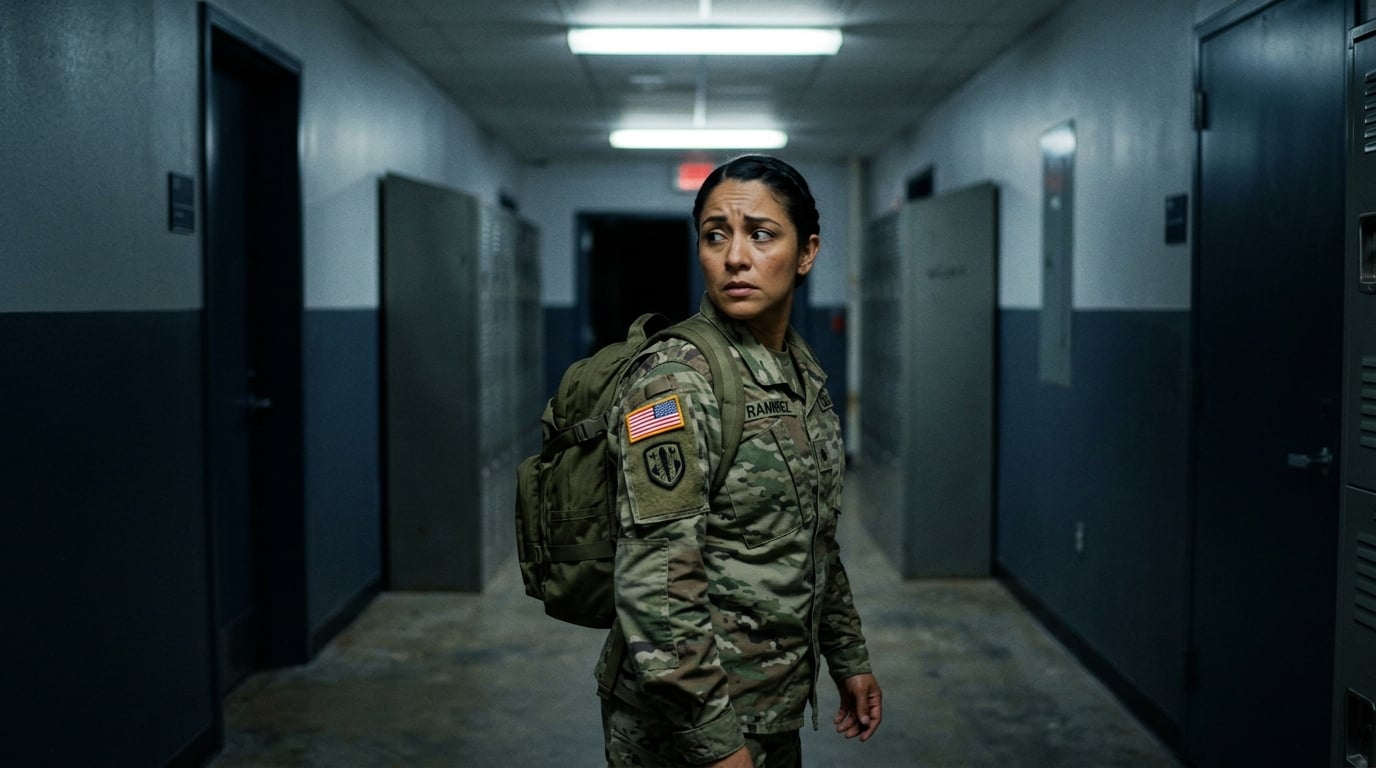
Reporting rarely felt like justice — it felt like putting a target on your own back. Survivors risked their career track, their security clearance, their housing, their unit assignment, and their reputation, all decided by the same small circle that often protected the person who harmed them.
- Retaliation is illegal — but it was routine, and provable retaliation is itself a documented marker for your claim.
- A sudden transfer, a bad evaluation, or a discharge that came right after you spoke up can now support your case, not bury it.
Why it helps your claim: retaliation leaves a paper trail. That trail is evidence.
The Chain of Command Problem
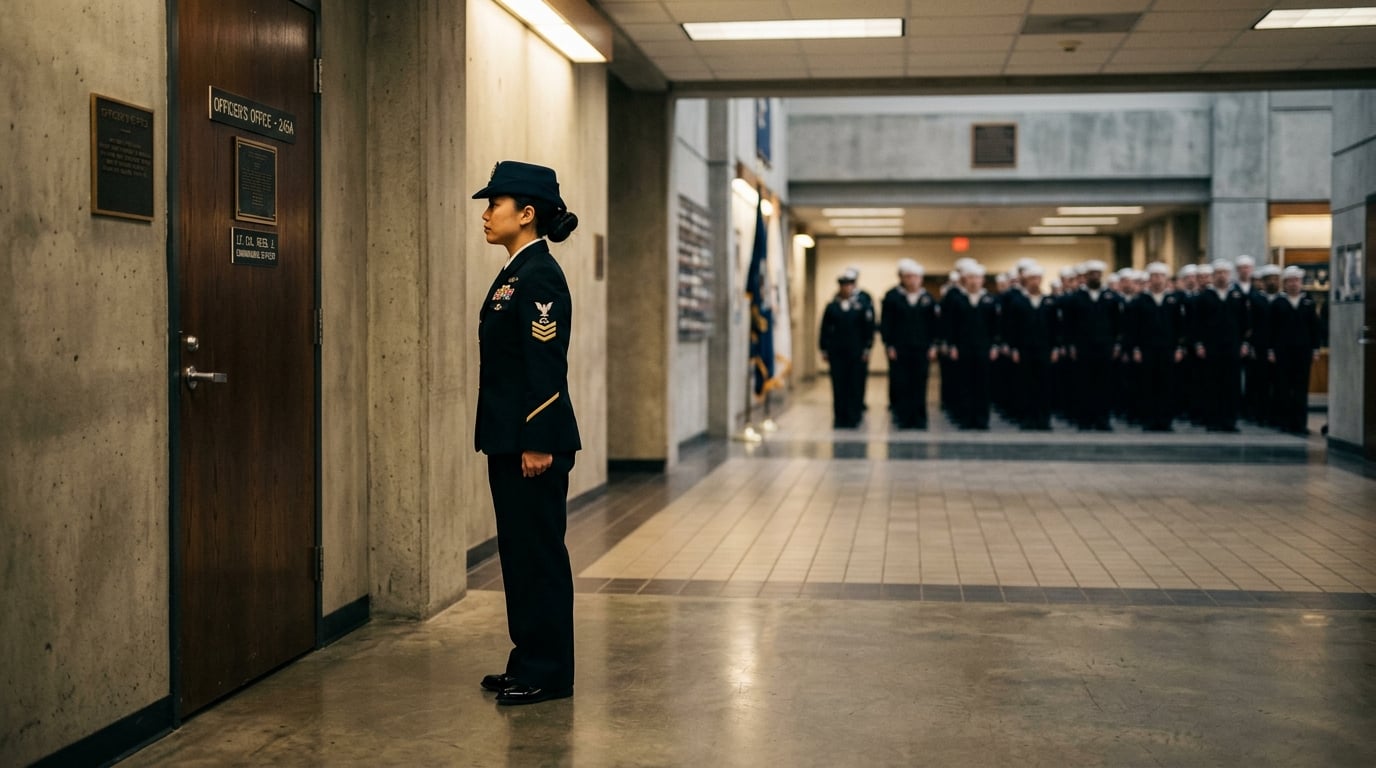
For decades the decision to investigate or prosecute a sexual assault sat with the survivor’s own commander — frequently the same chain that included, supervised, or outranked the offender. The fox guarded the henhouse, and everyone in the unit knew it.
- Commanders faced pressure to protect “unit readiness” and their own record over a single survivor.
- That conflict of interest is exactly why so many cases went nowhere — and why the absence of an official report proves nothing about whether the assault happened.
What changed: since December 2023, decisions to prosecute sexual assault were moved out of the chain of command to independent military prosecutors (special trial counsel) under the FY2022 defense law.
“It’s Just How It Is”
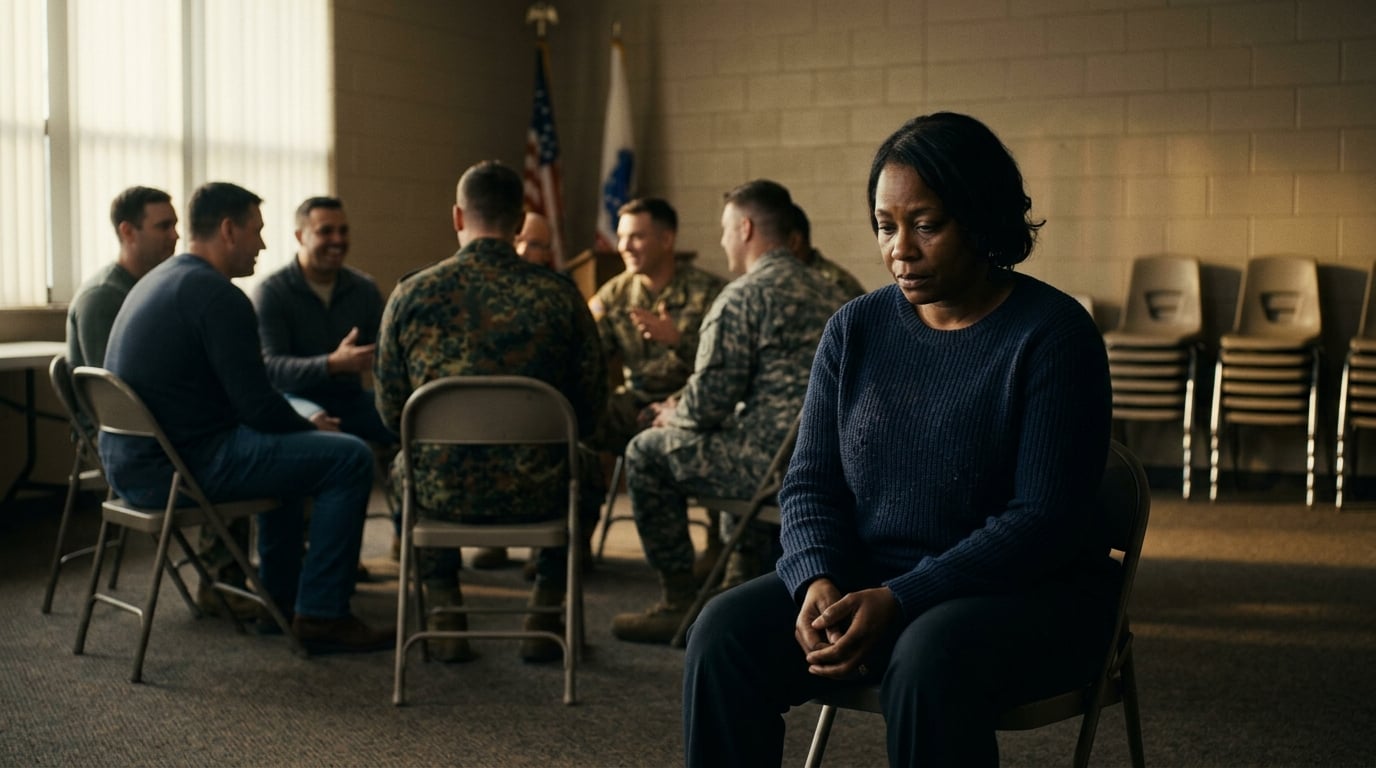
Generations of women were told to toughen up, laugh it off, or accept harassment as the price of wearing the uniform. Normalization is not consent — it is a culture that trained survivors to doubt their own experience and stay quiet.
- Being told “that’s just barracks life” did not make it lawful, and it does not weaken your claim today.
- Repeated, threatening sexual harassment over time qualifies as MST — you do not need a single dramatic “incident” to have a valid claim.
Worth remembering: a pattern of harassment counts. You are allowed to name it now.
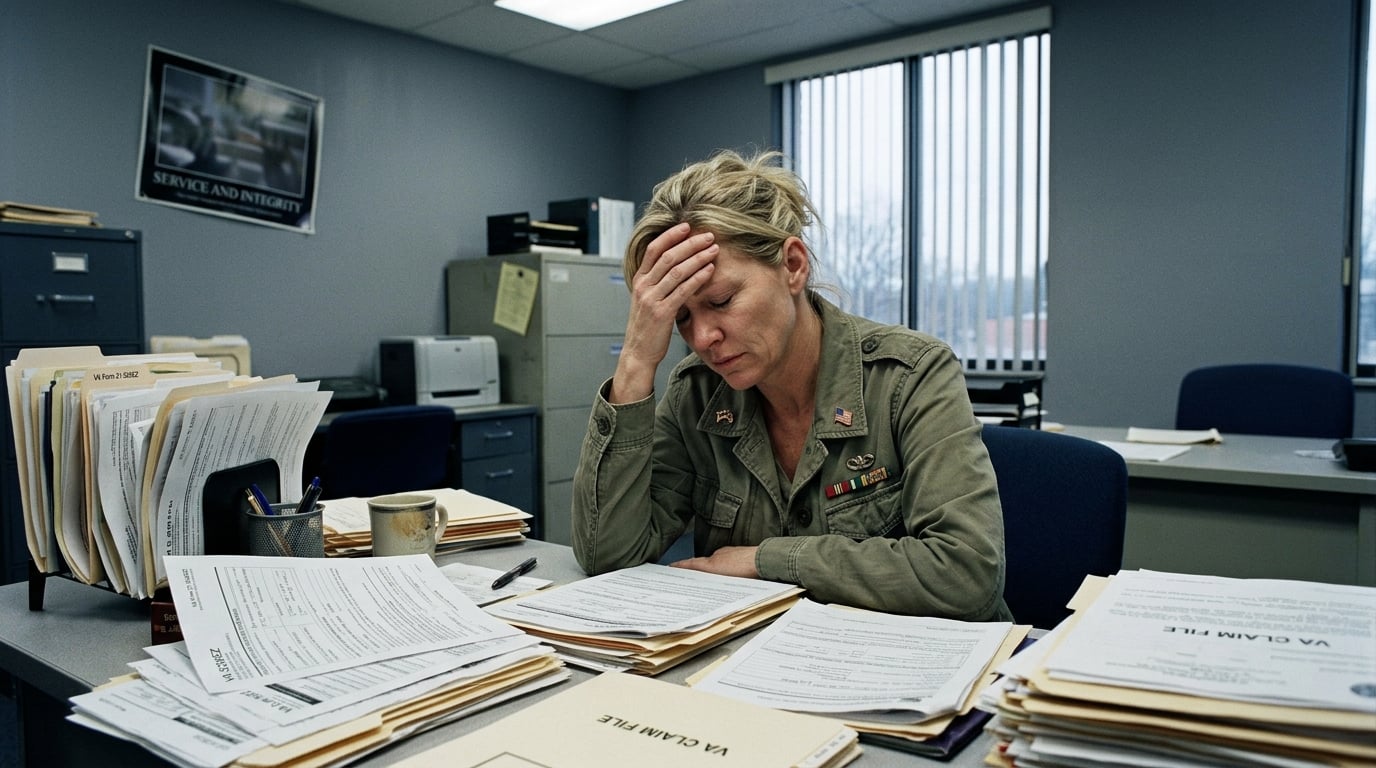
Distrust in the Process
Survivors who did come forward were too often disbelieved, reassigned, investigated themselves, or quietly pushed out. When the system punishes the person who reports, silence becomes the only rational form of self-protection.
- The VA claims process is separate from the military justice process — you are not asking the same people who failed you before.
- You do not have to relive it alone: an accredited representative can carry the paperwork and the arguments so you do not face the system by yourself.
The takeaway: you can file today even if you never trusted the process before.

Re-Traumatization
The old reporting process forced survivors to retell the worst day of their life, over and over, to people who often did not believe them. Every retelling reopened the wound. Many decided the cost of being heard was simply too high.
- You control how much you write and say. The claim form asks for what happened, but you set the pace and the level of detail.
- You can request a female provider and a trauma-informed clinician for any exam connected to your claim.
On your terms: you tell your story once, in your words — and you never have to tell it alone.

Racial Disparities
Black and Latina survivors were even less likely to be believed, and less likely to have their reports documented in the medical record at all. The system failed them twice — once in the harm, and again in the erasure of the proof.
- Missing documentation is not your fault, and under VA rules it is not fatal to your claim.
- Lay statements, personal letters, and behavioral markers can rebuild a record that was never properly kept.
What this means for your claim: a thin service record can be reinforced with the evidence VA is required to help you gather.
What Changed — and Why It Matters to You
Reform came late and it came because survivors forced it. Almost none of the protections that exist today were handed down voluntarily — each one followed a scandal, a lawsuit, a congressional hearing, or a woman who refused to be quiet after she was told to be. Knowing that history matters for your claim, because it explains why the evidence in your file looks the way it does. If you served in the years before the reporting reforms, there was often no confidential way to report and no system designed to preserve what you said. That absence is not a hole in your credibility — it is a documented feature of the era you served in, and VA adjudicators are supposed to weigh it that way. Here is the plain-language history, so you do not have to read a government report to understand your own rights.
Relaxed evidence rule takes hold
VA regulation 38 CFR § 3.304(f)(5) confirms that for PTSD claims based on MST, evidence from outside the service record — “markers” like behavior changes, transfers, or personal letters — can establish that the trauma occurred. A police report was never legally required.
VA acknowledges systemic denial gap
Internal and oversight reviews found MST-related PTSD claims were being denied at higher rates than other PTSD claims, prompting VA to retrain staff and re-review denials. The problem was officially named.
Prosecution leaves the chain of command
Under reforms in the FY2022 National Defense Authorization Act, decisions to prosecute sexual assault and related offenses moved from unit commanders to independent military prosecutors (special trial counsel) — directly addressing the conflict of interest that silenced generations.
One combined claim form
On June 28, 2024, VA replaced the old 21-0781 and 21-0781a with a single updated VA Form 21-0781 for reporting the event behind a PTSD or mental-health claim, including MST. It is the form we walk you through below.
What MST Does to Your Health
MST rarely stays in one part of your life. It reaches into your mind, your body, and your relationships — often for years. None of this is “all in your head,” and every one of these conditions can be part of a claim when it connects back to your service.

Mental Health
- PTSD — the leading MST-related diagnosis
- Major depression and persistent low mood
- Anxiety and panic disorders
- Alcohol and substance use
- Suicidal thoughts (127% higher risk)
- Dissociation and emotional numbing
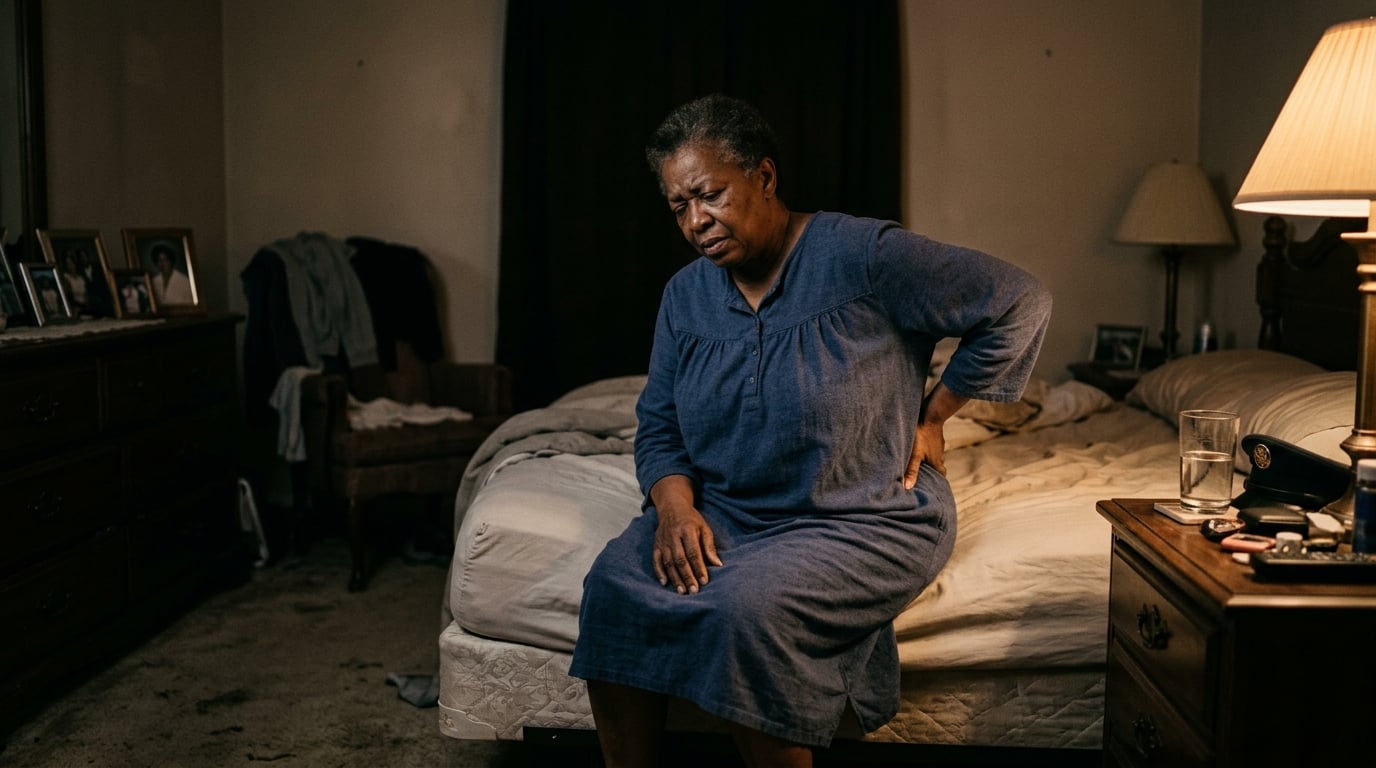
Physical Health
- Chronic gastrointestinal problems (IBS)
- Chronic pelvic pain
- Musculoskeletal and unexplained chronic pain
- Sexual dysfunction
- Sleep disorders and chronic insomnia
- Migraines and tension headaches
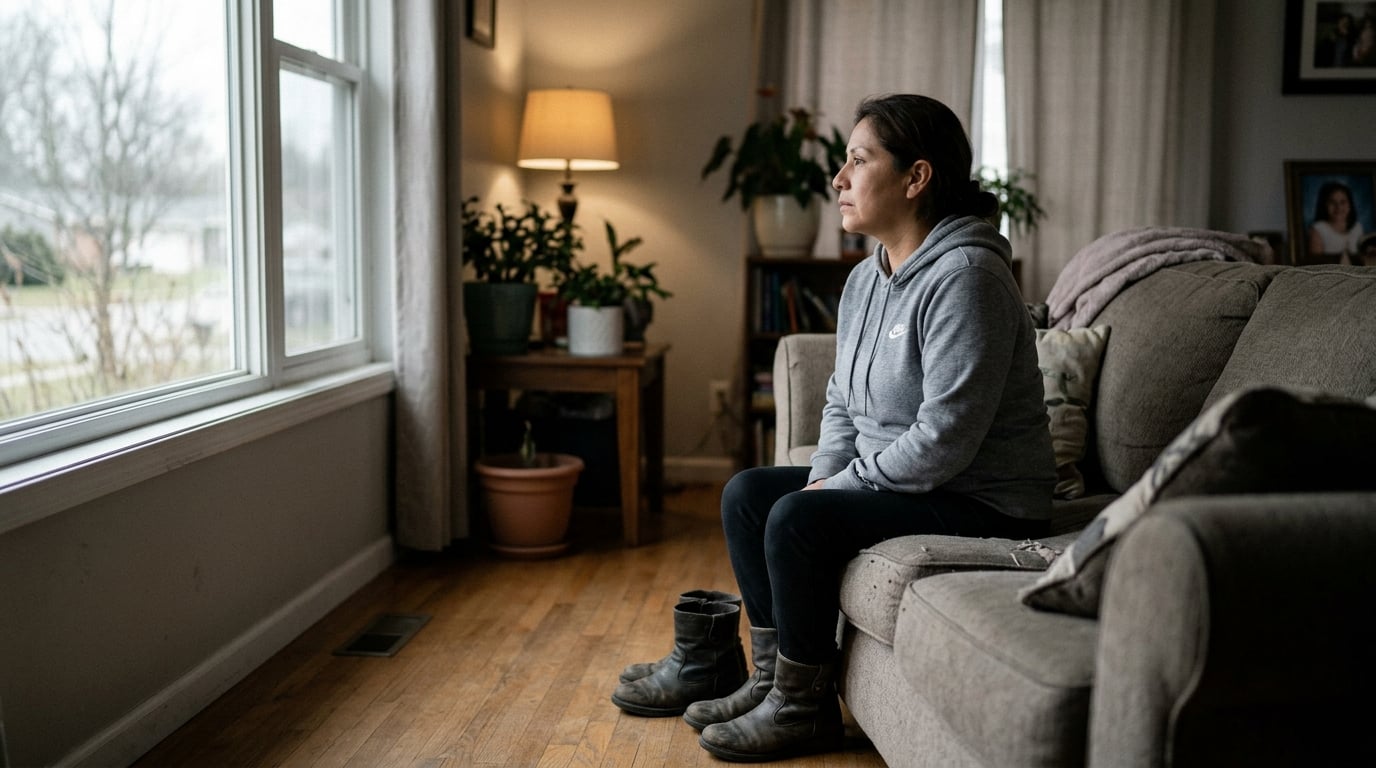
Life & Relationships
- Difficulty trusting others and intimacy
- Trouble holding jobs or authority relationships
- Social withdrawal and isolation
- Hypervigilance in everyday settings
- Strain on marriage, parenting, family
- Avoidance of anything service-related
Why this matters for benefits: when MST leads to PTSD, and that PTSD causes or worsens another condition — like sleep apnea, IBS, migraines, or depression — those are "secondary conditions" that can be added to your claim and rated too. Many women are rated for only a fraction of what they actually live with. We cover secondary conditions in the filing section below.
Understanding MST Claims, in Plain Language
A few clear, trustworthy explainers on how MST-related claims work, what the VA looks for, and what to expect at your C&P exam. Watching one of these is often easier than reading, especially on a day when reading about it is too much — and it gives you the vocabulary the VA uses, so the next conversation you have about your claim starts on level ground. Nothing in them can be seen by anyone else, nothing is tracked back to you, and you can stop at any point. Watch whenever you're ready — there's no rush, and nothing here is a test.
How VA Evaluates Military Sexual Trauma (MST) Claims
A clear walk-through of how the VA reviews MST claims, the special evidence rules that apply, and what markers can support your case.
VA Claims for MST: What You Need to Know
Practical guidance on filing an MST-related claim, the forms involved, and how to strengthen the connection between your trauma and your conditions.
What to Expect at Your C&P Exam for PTSD
A veterans-law walk-through of the Compensation & Pension exam: what the examiner is really assessing, how the questions map to your rating, and how to describe your symptoms honestly on your worst days so the exam reflects the life you actually live.
These videos are shared for general education from third-party creators. They are not legal advice, and watching them is never required to get help with your claim.
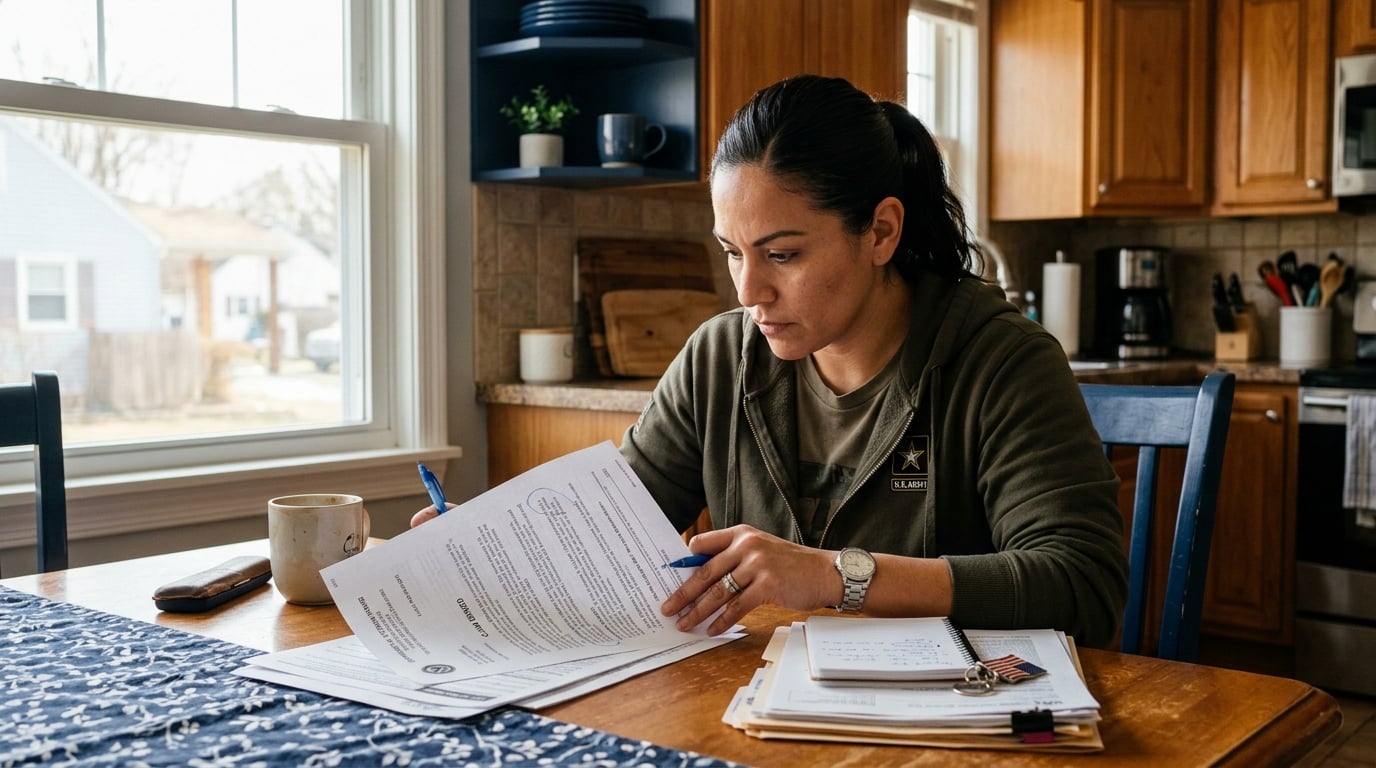
The Reality of MST Claims
Here is the part nobody wants to say out loud. Even with the rules relaxed in your favor, MST-related PTSD claims are still denied at rates higher than combat PTSD claims. That is a documented, systemic failure, not a reflection of whether your trauma was real. I am telling you this so it does not blindside you: knowing how these claims get wrongly denied is exactly how you avoid it.
- Denials that wrongly demand a police report or “proof” the law does not require
- Rushed or dismissive C&P exams that undercount your symptoms
- Markers in your record that the rater simply never looked for
- Low ratings that ignore how much MST actually limits your work and life
This is exactly where an accredited representative earns their place — spotting the markers, preparing you for the exam, and pushing back on a denial that never should have happened.
A denial is not the end — it is the start of the appeal
A wrong denial is not the final word, and the regulations give you a specific way to answer each one. Here is how the four failures above actually get fixed — the rule that was broken, and the move that fixes it. You generally have one year from the date on your decision letter to act, so if you have a letter sitting in a drawer, pull it out now.
They demanded a police report or “proof” the law does not require
This is reversible error. The regulation says markers — a transfer request, a performance drop, a chaplain or clinic visit, a statement from someone who saw you change — are legally sufficient to corroborate MST. File a Supplemental Claim spelling out the marker evidence, or a Higher-Level Review arguing the rater ignored the rule.
A rushed or dismissive C&P exam undercounted your symptoms
The VA has a duty to provide an adequate exam. One that was speculative, hurried, or done by someone who never engaged with your history is inadequate as a matter of law. You can request a new exam — and a private medical or psychological opinion carries real weight in rebutting a bad one.
Markers were in your record and the rater simply never looked
The VA must help develop your claim before it denies — including reviewing service and treatment records for the markers it is required to consider. A Higher-Level Review puts a senior reviewer on the file; a Supplemental Claim lets you point directly to the records that were there all along.
A low rating ignored how much MST actually limits your work and life
PTSD is rated on how much it impairs your work and daily functioning — and §4.129 sets a minimum 50% for the period after separation when the condition led to discharge. If the rating does not match the life you are actually living, an appeal for an increased rating exists to correct exactly that.
You do not have to figure out which lane to file in. Supplemental Claim, Higher-Level Review, or a Board appeal — the right one depends on what went wrong and what new evidence you have. An accredited claims agent (#45147) reads the decision letter, finds the error, and files the appeal that fits — at no upfront cost.
We Know What This Process Asks of You — And Why So Many Women Walk Away
Let us be honest about something the VA never says out loud: for an MST or assault claim, this process can be brutally unforgiving — especially for a woman. We understand that, because we have walked it alongside veterans just like you.
We have seen a woman sent back to the same MST exam again and again — because the case was not handled properly the first time, or the examiner sat there speculating instead of listening, or the exam was simply inadequate. Being made to sit down and reopen that conversation over and over, then write your statement, and rewrite it again — that alone is enough to make a woman give up and never seek the help she earned. That is not weakness. That is a human being protecting herself.
We have worked with veterans who sat with the same mental-health provider for a decade before they felt safe enough to disclose what happened to them. We have met women who still carry a real fear of retaliation decades after they took off the uniform. If that is you, you are not broken and you are not behind — you are exactly the person this page was written for.
And you should know the system can drag its feet. Claims get held up, requests get routed out to a criminal investigations division or even local police, and files sit while the clock runs. It can feel deliberate and personal. Understand this: much of it is simply how the machine grinds — and it is precisely why having an accredited agent (#45147) in your corner matters. We handle the sensitive parts, we keep steady pressure on the claim, and we carry the weight of it so your stress stays as low as it possibly can.
You do not have to carry this alone, and you do not have to relive anything before you are ready. If you need someone to talk to right now, these lines are free, confidential, and staffed 24/7 by people trained for exactly this.
Free & confidential, 24/7 — or text 838255
Confidential sexual-assault support, 24/7
Call or text — benefits, care & referrals
Confidential counseling, 24/7 — no enrollment
Filing an MST Claim Without a Police Report
This is the part that stops most women before they start — the fear that without a report, they have no case. That fear is wrong, and it is wrong as a matter of federal regulation, not encouragement. 38 CFR §3.304(f)(5) exists precisely because Congress and the VA acknowledged that sexual trauma in the military is chronically unreported, and it directs adjudicators to accept evidence from outside the service records: a sudden request for transfer, a drop in performance evaluations, unexplained economic or social behavior changes, a visit to a chaplain, a clinic, a rape crisis center or a counselor, a pregnancy test or a test for a sexually transmitted disease, a substance use episode that started out of nowhere, or a statement from a friend, a family member or a fellow service member who noticed you change. Any one of those is called a marker, and markers are legally sufficient to corroborate the stressor. The claim then rests on three things: a current diagnosis, a marker that connects the trauma to your service, and a medical opinion tying the two together. But I am going to be straight with you about your part, because that is where claims live or die: the diagnosis and the personal statement do not write themselves. You have to get in front of a doctor, and you have to tell your own story on paper, in your own words. Nobody can do those two pieces for you. Here is exactly how that claim is built and won.
Every claim stands on three legs
The VA does not require an official incident report. What a service-connection claim actually needs is this:
A current diagnosis
A present-day condition — PTSD, depression, anxiety, and so on — diagnosed by a clinician.
An in-service event
Evidence that the MST occurred during your service. This is where “marker” evidence comes in — no police report needed.
A nexus
A link connecting your current condition back to the in-service MST — usually a medical opinion that ties the two together.
The nexus is where claims are won or lost. A strong, specific medical opinion connecting your PTSD to the MST — and to the markers in your record — is often the difference between a denial and a rating. This is the single most valuable thing an accredited representative helps you build.

What counts as evidence — “marker” evidence
Because MST so often went unreported, VA rules let you prove the event happened using indirect signs — called markers. You do not need all of these. Even one or two, corroborated, can carry a claim.
Records-Based Markers
- A chaplain or counselor visit near the time of the incident
- A pregnancy or STD test following the incident
- Personal letters or emails home expressing distress
- A request for a unit or duty-station transfer
- A visit to an off-base rape crisis center or ER
Behavioral Markers
- A sudden drop in performance evaluations
- A rise in unauthorized absences or going AWOL
- Disciplinary actions that were out of character
- Substance-related incidents that appeared
- Unexplained changes in job or assignment
Lay / Witness Statements
Submitted on VA Form 21-10210
- Family who saw you change after service
- Roommates or fellow service members who noticed shifts
- Statements do not need to confirm the assault — observed changes count as corroboration
How strong is my claim right now?
Check whatever is true for you. Nothing here is saved, sent, or seen by anyone — it stays in your browser and disappears when you close the page. This is not a VA decision; it is a way to see, in plain terms, what you already have and what is worth gathering.
A current diagnosis
A present-day condition, diagnosed by a clinician. Check anything that is true for you.
In-service markers
Signs from your service that point to the trauma. No police report is ever required — any one of these can corroborate MST under 38 CFR §3.304(f)(5).
The nexus & the impact
The link tying your condition to service, and the proof of how it affects your life today.
This estimator is for your own understanding only. It does not determine eligibility, is not legal advice, and no answer here is ever a reason not to file. When in doubt, a free review with an accredited claims agent (#45147) will tell you where you really stand.
The key form, section by section: VA Form 21-0781
Updated June 28, 2024 — this single form replaced the old 21-0781 and 21-0781a. Here is what each part actually asks for, so nothing is a surprise when you sit down to complete it.
You do not have to face the blank page alone. An accredited representative can help you decide what to write, which markers to pull, and how to frame Section II so it supports the claim without forcing you to relive every detail.
How to write your statement without reliving it
Section II is the part most women dread — the blank box that asks what happened. Here is the truth the VA never prints on the form: you decide how much to write, and a short, honest statement is worth more than a long one that costs you days of your peace. These are the things that actually help — and the things you are allowed to do that no one tells you.
You set the level of detail
You do not owe the VA a scene-by-scene account. A few plain sentences — what happened, roughly when, and that it happened during service — is enough to open the claim. Graphic detail is never required and does not make the claim stronger.
Approximate timeframes are fine
You do not need exact dates. “Sometime in the spring of my second year at [base]” is acceptable and expected. The VA knows trauma does not come with a timestamp, and §3.304(f)(5) was written around that fact.
Lead with the impact, not the act
What moves a rating is how your life changed: the transfer you asked for, the sleep you lost, the drinking that started, the way you pulled away from people. Describe the after. That is the evidence the rater is actually weighing.
Buddy statements carry real weight
Someone who saw you change — a friend, a family member, a fellow service member — can write a lay statement (VA Form 21-10210) describing what they noticed. You do not have to be the only voice on your own claim.
You can write it in the third person if that makes it bearable. You can write it in one sitting or across a week. And you never have to write it alone — an accredited representative can help you decide what belongs in Section II and what does not, so the statement supports your claim without asking more of you than it should.
Read the full guide: writing your MST statementSecondary conditions — what most women leave on the table
This is one of the most misunderstood — and most valuable — parts of a claim, so here is exactly how it works. When your service caused one condition (the “primary”), and that condition then causes or worsens a second one, the VA is required to rate that second condition too. It is called a secondary condition, and it stacks on top of your rating.
Here is what that looks like in real life:
The MST caused your PTSD (your primary, service-connected condition). The PTSD keeps you hyper-alert and unable to sleep, and over the years that develops into chronic insomnia and then sleep apnea. The constant stress tightens your gut until you are diagnosed with IBS, and the medication you take for the PTSD contributes to weight gain and migraines. Each of those — the sleep apnea, the IBS, the migraines — is a separate condition that can be claimed as secondary to your PTSD and rated on its own. A woman rated at 50% for PTSD alone might, with her secondaries properly documented, be rated far higher for everything she actually lives with. Most women never claim these because no one told them they could.
These are the secondary conditions most commonly missed — each one, when a doctor connects it back to your MST-related PTSD, can be added to your claim:
The link is not automatic — it takes a medical opinion connecting the secondary condition back to your service-connected PTSD. That is another place an accredited representative earns their keep: making sure every condition you live with is on the claim and properly connected.
Read the full guide: MST secondary conditionsIf you have an Other-Than-Honorable (OTH) discharge — this is for you
This is one of the cruelest things the system does, and you need to understand exactly how it happens, because it is almost never the veteran's fault. Think about the soldier you used to be. You showed up early. Your boots were spit-shined, your uniform was squared away, you took personal pride in how you presented yourself. Your evaluations were high. You cared about the mission and your people.
Then the trauma happens — and often the very first thing that changes is your performance. The squared-away appearance slips. You start showing up late, or not at all. Duties go unfinished. You pull away from the people around you. What looks from the outside like a discipline problem is, on the inside, a woman trying to survive being in the same building as the person who hurt her. Those changes pile up into counseling statements, Article 15s, and disciplinary action — and sometimes a soldier will do anything to get out: go AWOL, act out, or push for a discharge on any terms, because leaving with bad paper feels better than staying one more day near an abuser with no other way out.
The result is an Other-Than-Honorable discharge handed out for the symptoms of the trauma itself. Here is what matters: VA rules (38 CFR § 3.12) recognize this. MST can be a “compelling circumstance” that explains the misconduct and can keep that discharge from barring your benefits — and you can also apply to have the discharge upgraded. In plain terms: if your service record fell apart after the trauma, that decline is not evidence against you. It is often some of the strongest evidence for you. Do not let a bad-paper discharge stop you from asking — it is exactly the kind of case an accredited representative is built to fight.
Read the full guide: OTH discharges & MSTWhen you are ready to file
Before you file anything, talk to an accredited agent first — it is free. An MST claim is won or lost on how it is built: which markers you pull, how Section II is written, and whether every secondary condition is connected. Once a claim is submitted, it is much harder to fix than it is to get right the first time. There is no fee to have an accredited claims agent (#45147) review your situation and tell you honestly whether and how we can help. Getting that advice first is the single smartest move you can make — and it is the whole reason this page exists.
You now know everything these forms ask and everything the VA requires — it is all above. When you are ready, the forms themselves are downloaded and submitted on the official VA site; these are the exact ones you will use:
These links open the official VA site in a new tab only to download or submit the actual forms — every bit of the information you need to understand them is already on this page.
Your Rights — Know Them Before You File
The VA cannot deny your claim solely because there is no official incident report. The law does not require one.
The VA has a legal Duty to Assist — it must help you gather records and must tell you about marker evidence BEFORE issuing a denial.
You have the right to request a female provider and a trauma-informed clinician for any exam connected to your claim.
You have the right to a free, accredited representative — you never pay anyone a fee just to file, and reputable help never charges up front.
If you are denied, you have the right to appeal — and MST denials are appealed and overturned every day when the markers were there all along.
MST Resources — Save These
Every one of these is free and confidential. You do not need to be enrolled, rated, or “official” to use any of them — and you never have to explain yourself to get help. The Veterans Crisis Line answers 24 hours a day whether you are in crisis or simply cannot carry it alone tonight, and you do not have to be suicidal to call. Vet Centers are separate from VA medical centers and keep their own records, which is why many women use them first. The Women Veterans Call Center is staffed entirely by women, many of them veterans themselves, and they will walk you through enrollment, eligibility and MST care without asking you to prove anything. Save these numbers now, before you need them, and use whichever one feels possible today.
Tap any card to take action right now: the phone numbers dial straight from your phone, and the links open the official page or free app. Save this list somewhere you can find it again — for yourself, or for a fellow veteran who needs it.

You Can Still Get Care. You Can Still File. Today.
However long ago it was, whatever you did or did not do at the time — the door is still open. You have read everything you need to know. The next step is simply asking for help, and you do not have to take it alone.
Questions Women Ask About MST Claims
Straight answers to the questions that keep women from filing. Everything here reflects current VA rules — and a free, confidential review can tell you exactly how they apply to you.
Do I need a police report or an official record of the assault to file an MST claim?
No. VA rules specifically recognize that most military sexual trauma is never formally reported. Under 38 CFR §3.304(f), you can prove your claim with “markers” — indirect evidence such as a sudden request for transfer, a drop in performance ratings, a new mental-health issue, substance use, relationship changes, or statements to family or friends. A police report is helpful but is never required.
Is MST-related care really free, even if I do not have a disability rating?
Yes. Under 38 U.S.C. §1720D, the VA provides free care for conditions related to MST regardless of whether you have a service-connected disability rating, and regardless of how long ago the trauma happened. You do not need to have filed a claim first, and in many cases you do not even need to be enrolled in standard VA health care to receive MST-related treatment.
Can I still get MST care and file a claim if I have an other-than-honorable discharge?
Often, yes. MST-related care is available under special eligibility rules even for many veterans with other-than-honorable (OTH) or “bad paper” discharges — and a discharge that was itself a consequence of the trauma can sometimes be upgraded or its character-of-discharge reconsidered. It is worth a free review before you assume you are not eligible.
How is an MST-related mental health condition rated?
MST itself is not a diagnosis — the resulting condition (most often PTSD, depression, or anxiety) is what gets rated, under the General Rating Formula for Mental Disorders in 38 CFR §4.130 at 0, 10, 30, 50, 70, or 100 percent based on how much it impairs your work and daily life. Describe your worst days, not your best, so the rating reflects the true impact.
Can I ask for a female or trauma-informed examiner at my C&P exam?
Yes. You can request a female examiner and a trauma-informed exam for an MST claim, and you can bring a support person. An exam that ignores the trauma or is conducted by someone unfamiliar with MST can be inadequate — which is grounds to challenge the resulting decision.
Is there a deadline to file an MST claim?
There is no deadline to file the claim itself — you can file decades after service. What does have a clock is an appeal: if you are denied or under-rated, you generally have one year from the decision to file a Supplemental Claim, Higher-Level Review, or Board appeal to protect your effective date.
What if the person who assaulted me was never charged or punished?
It does not matter to your VA claim. A VA disability claim is not a criminal case — it is not about proving beyond a reasonable doubt what someone else did, and it does not depend on charges, a conviction, an investigation, or any finding of guilt. The VA is deciding one thing: whether the trauma happened in service and whether it caused a current condition. The absence of charges is expected in MST cases and is never a reason for denial.
How long does an MST claim usually take to decide?
It varies widely. A straightforward claim with a clear diagnosis and solid marker evidence can move in a few months; a claim that needs a C&P exam, additional records, or that gets denied and appealed can run well over a year. The single biggest thing you control is how complete the claim is when it is filed — a claim built right the first time avoids the delays that come from back-and-forth requests for more evidence.
Will filing a claim mean the VA contacts my old unit or the person who assaulted me?
No. Filing does not notify your attacker, does not reopen any military investigation, and does not put you back in contact with your former unit. The VA reviews records and the evidence you provide — it does not confront anyone on your behalf, and getting MST-related care does not create a record your old command will see. You control what you disclose and to whom.
Do I need a nexus letter for an MST claim?
Usually not as a separate document. For most MST-based mental-health claims, the C&P examiner supplies the medical opinion linking your condition to service, so a private nexus letter is not required the way it often is for other claims. That said, a strong opinion from your own treating provider can help — especially if a C&P exam was rushed, dismissive, or inadequate. The priority is a current diagnosis and the marker evidence; the nexus usually follows from those.
What if I do not remember all the details clearly, or my memory of it is fragmented?
That is normal, and the VA rules account for it. Trauma routinely disrupts memory — gaps, missing dates, and fragmented recollection are expected in MST cases and are not held against you. You do not need a perfect, linear account. What matters is a consistent description of the impact and the markers around it — the transfer request, the performance drop, the letters home, the changes the people around you noticed. Tell it as you can; you are not being cross-examined.
What is the difference between free MST care and MST disability compensation?
They are two separate things, and you can have both. Free MST-related care under 38 U.S.C. §1720D is treatment — therapy, medication, counseling — provided at no cost with no claim, no rating, and no proof required. Disability compensation is a monthly payment for a service-connected condition (usually PTSD, depression, or anxiety) rated under 38 CFR §4.130, and that one does require a claim and evidence. Getting care never starts a claim, and filing a claim never interrupts your care — pursue the treatment now, and file for compensation when you are ready.
Can I be rated for both PTSD and depression from MST, or only one condition?
The VA rates the overall mental-health impairment under a single formula in 38 CFR §4.130, so overlapping conditions like PTSD, depression, and anxiety are usually evaluated together at one percentage rather than stacked separately — that is the anti-pyramiding rule under §4.14. It sounds limiting, but it is not: the rating is supposed to capture the full weight of every symptom combined, so the goal is making sure the examiner sees the total picture, not splitting it into pieces. Physical conditions that flow from the trauma, on the other hand, are rated separately on their own codes.
Is there a minimum rating for MST-related PTSD?
Yes, in a specific situation. Under 38 CFR §4.129, when the VA first grants service connection for a mental condition tied to a traumatic in-service event like MST, it must assign at least 50 percent for the first six months, then re-examine you and set the long-term rating based on your actual impairment. It is a floor built into the rules precisely because trauma conditions are severe at onset — make sure it is applied if it fits your case.
Still have a question about your own situation?