
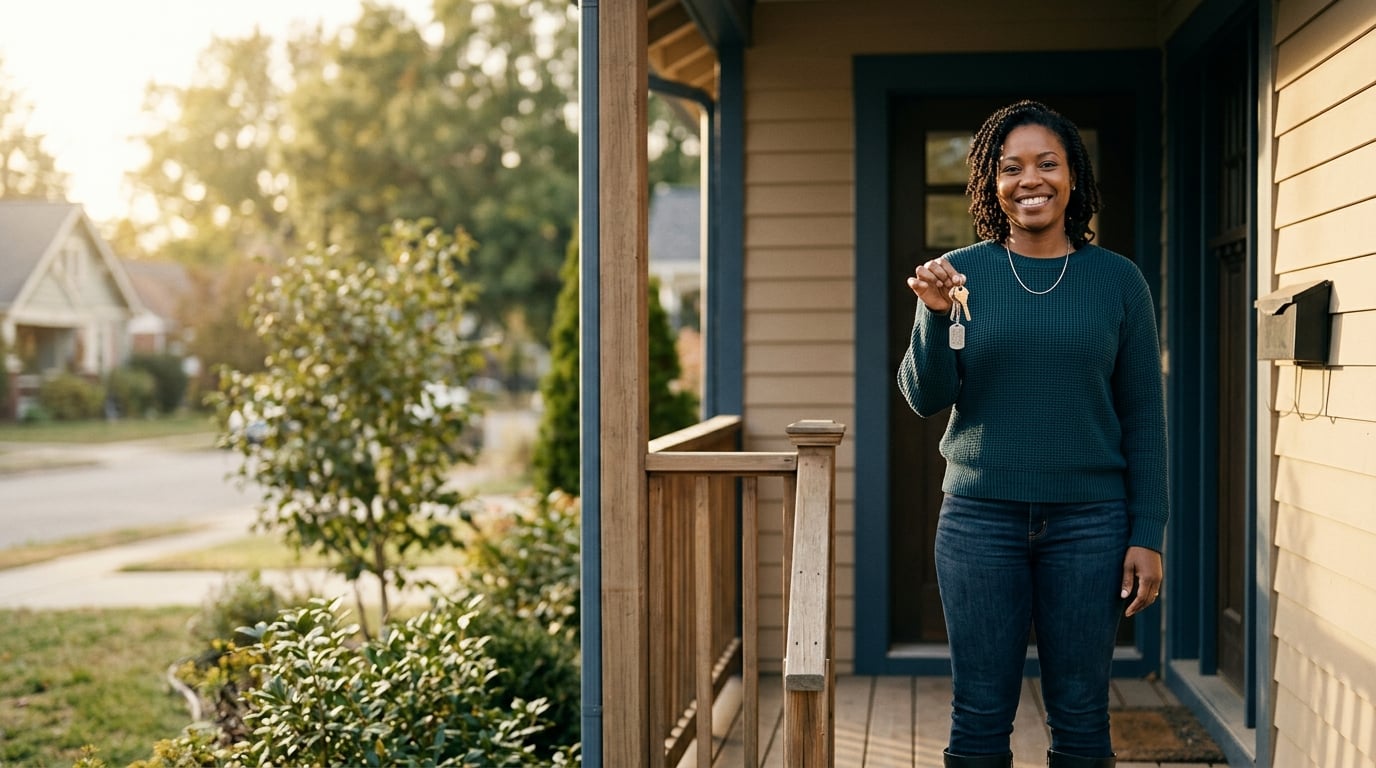
Housing & Homelessness
Whether you are one missed paycheck from losing your home, sleeping in your car tonight, or trying to buy a place of your own, there is a program built for you. I wrote this page to walk you through every one, in plain English, and show you exactly how to reach a real person who can help today. But the phone call is yours to make.
This is not a personal failure. It is a pattern.
If you are losing your housing, you are not weak and you are not alone. The forces that push women veterans out of their homes are specific and documented: women are the fastest-growing segment of the homeless veteran population, they are far more likely than male veterans to be housing-insecure while caring for children, and domestic violence — not job loss — is the single most common immediate trigger. Most never appear in a shelter count because they are couch-surfing with family or living in a car with kids in the back, which the VA classifies as at risk rather than homeless and which still qualifies you for every program below. That is the part nobody says out loud: you do not have to be on the street to get help — you have to be at risk of it, and the programs are specifically built to intervene before you lose the address. Do not wait for the eviction notice to become a judgment.
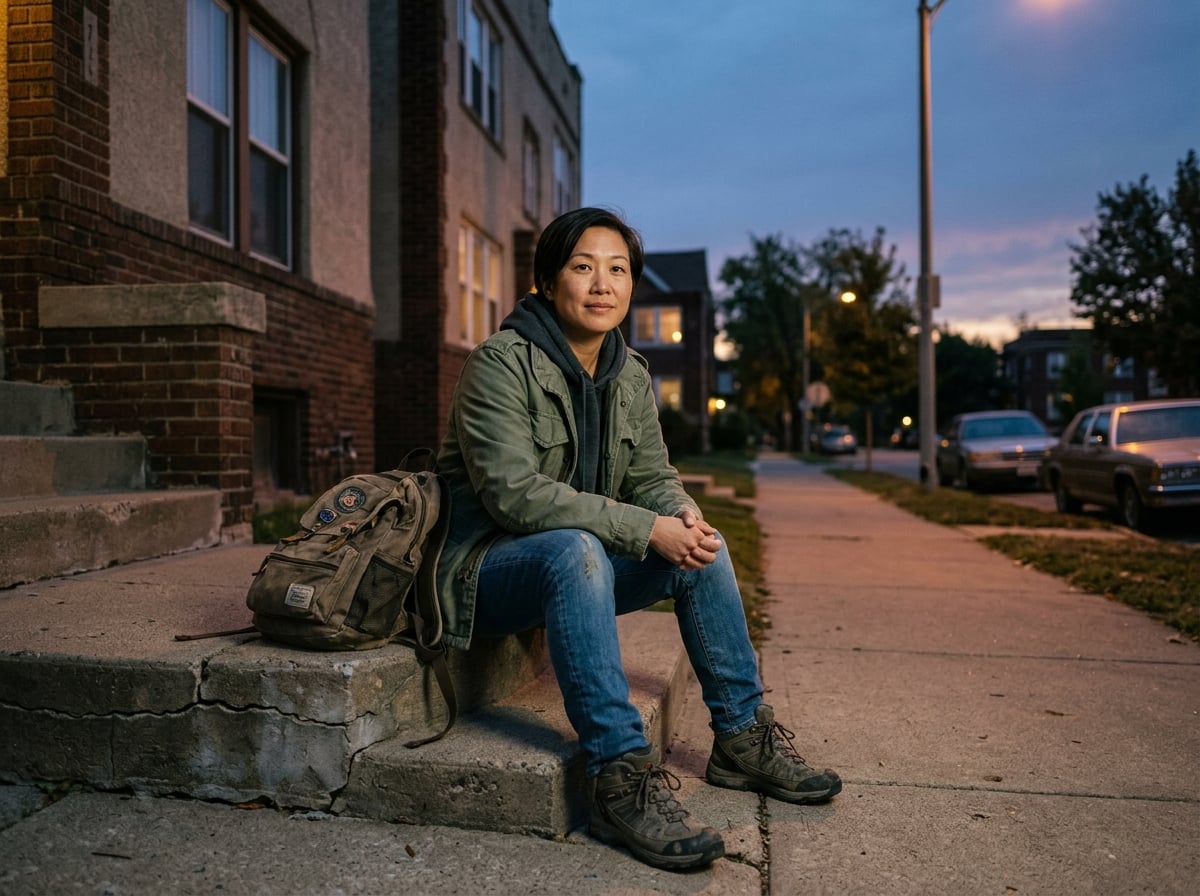
Women are the fastest-growing segment of the homeless veteran population in America.
Women veterans face a homelessness risk several times higher than women who never served.
Military sexual trauma, PTSD, and fleeing unsafe relationships push women out of stable housing.
Women veterans are far more likely to have children with them — which shelters are rarely built for.
Do I Qualify? Understanding the Income Rules
Most VA housing programs use one simple test: is your household income at or below 50% of the Area Median Income (AMI) for your county? You don't have to memorize a number — here is what that actually means for you and your children.
Your Family Size Raises the Limit
The income limit is not one flat number. HUD sets it by county and by household size — so the more people in your home, the higher the income you can earn and still qualify. A mother with two or three children has a noticeably higher limit than a single veteran.
Because limits change every year and differ from county to county, you check your exact number using HUD's official lookup (linked below) — or let a free VA representative check it with you.
Your VA Disability Doesn't Count Against You
For HUD-VASH, your VA disability compensation is excluded from the income calculation. That means many women who assume they earn “too much” actually still qualify once their tax-free disability pay is set aside.
Never rule yourself out before checking — the way income is counted for these programs is often more generous than people expect.
These Programs Are Built for Mothers, Too
Housing help for women veterans is family-friendly by design — your children are meant to be housed with you, not separated from you:
- HUD-VASH vouchers cover the whole household — the voucher size is based on your family, including your kids' bedrooms.
- SSVF can pay for a security deposit, back rent, utilities, moving costs, and even childcare so you can work or attend appointments.
- Fleeing an unsafe home with your children counts — domestic violence situations qualify you for help (see “Fleeing abuse” below).
Check Your Income Limit — Official Lookup
Your exact qualifying income depends on your county and family size. This official HUD tool shows the current limits where you live.
Six ways the VA helps you stay housed
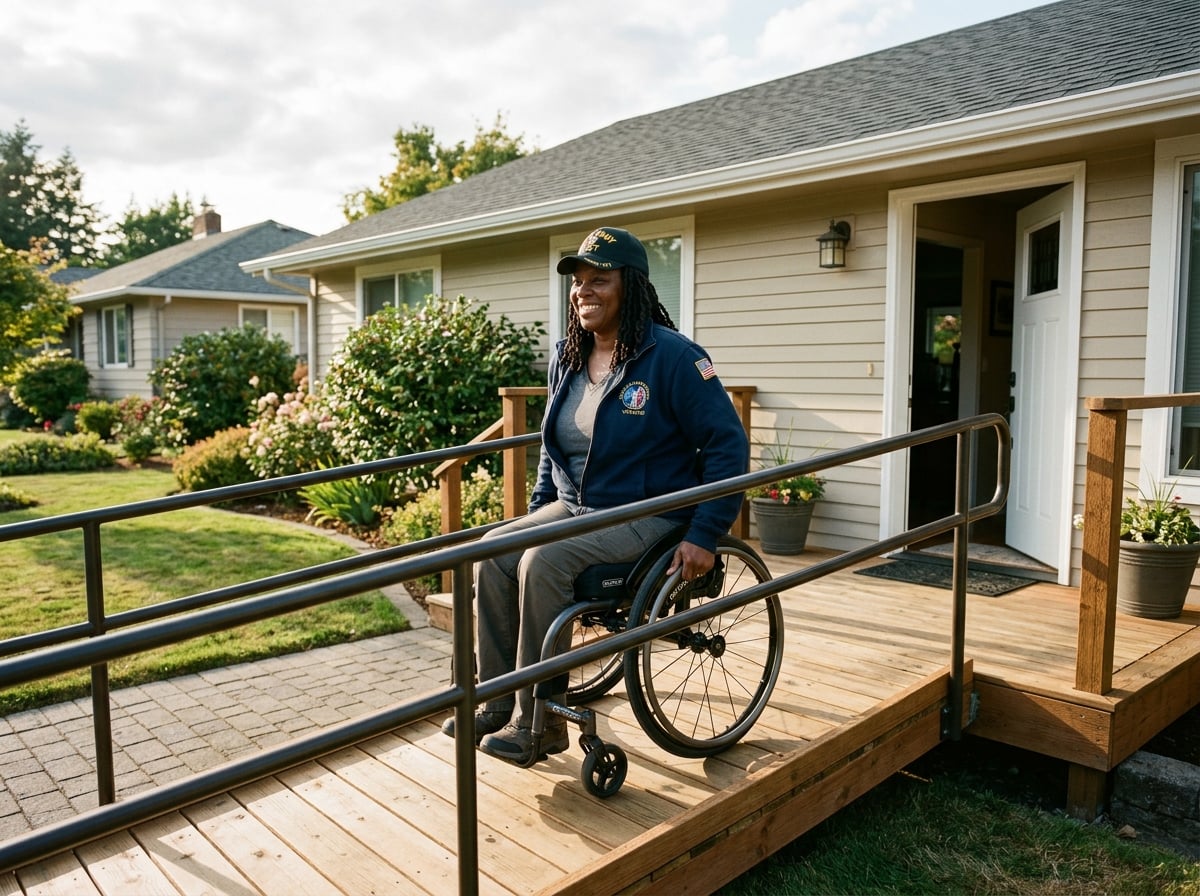
From emergency rent to a permanent voucher to buying your own home, these programs cover the entire range of housing need — and they are not mutually exclusive. If you do not know where to begin, HCHV is the front door: its outreach staff come to you, get you into VA care immediately, and connect you to whichever housing program fits. SSVF is the fast money: it can pay back rent, a security deposit, or moving costs to stop an eviction inside days, and it is delivered by community partners rather than a VA office. HUD-VASH is the long game: a permanent Housing Choice voucher paired with a VA case manager, where you pay roughly 30% of your income and the voucher covers the rest indefinitely. Grant and Per Diem providers offer transitional housing, and several sites are women-only or accept children. The VA home loan sits at the other end — no down payment, no private mortgage insurance, and the entitlement is reusable. Each one below has its own full guide with eligibility, coverage, and the exact application path. Tap any card to open its complete walkthrough.

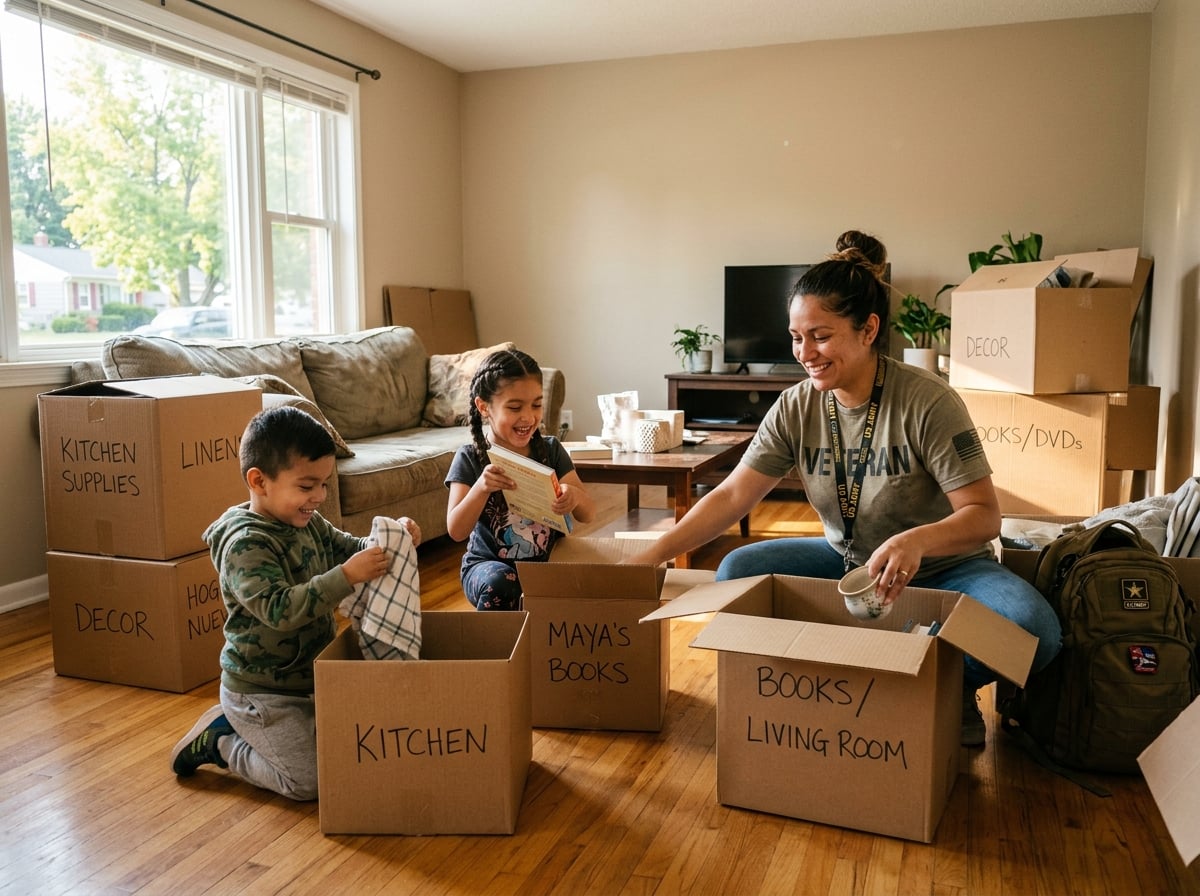
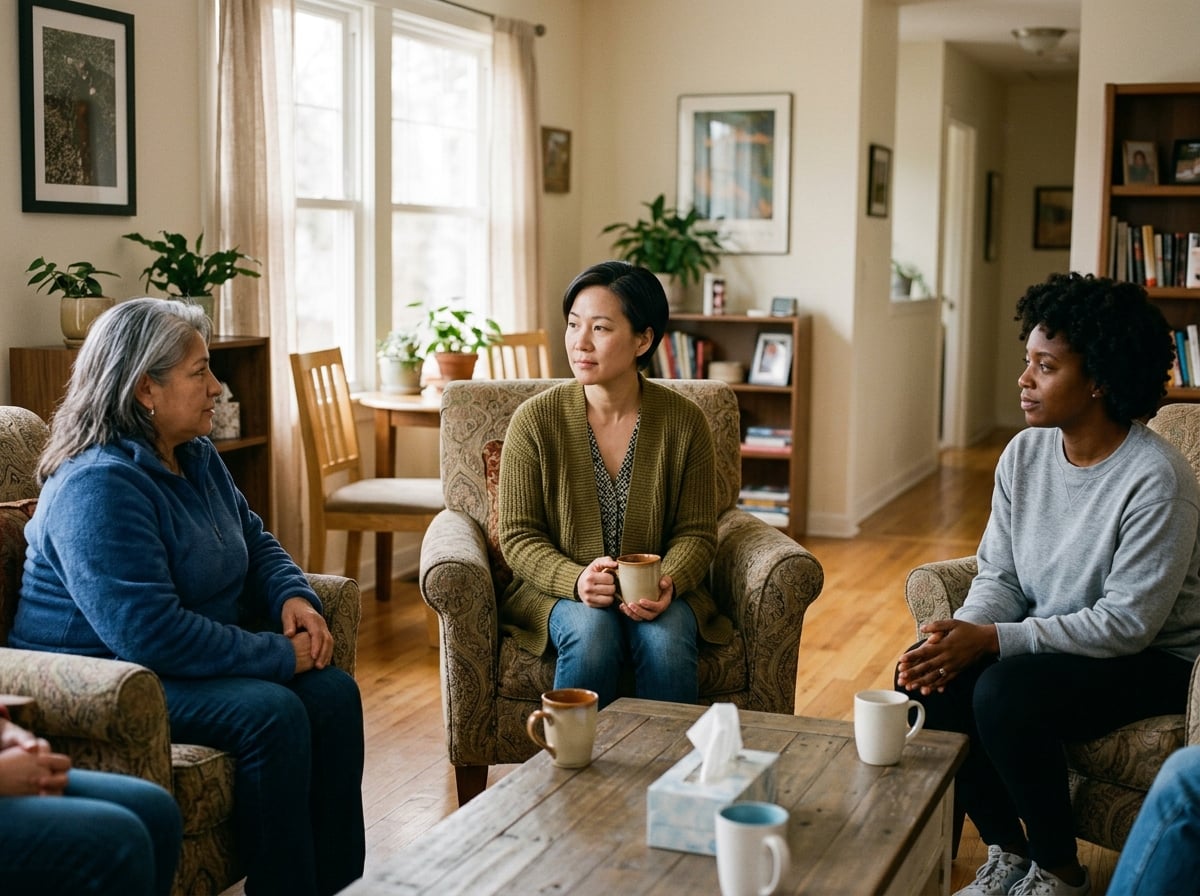
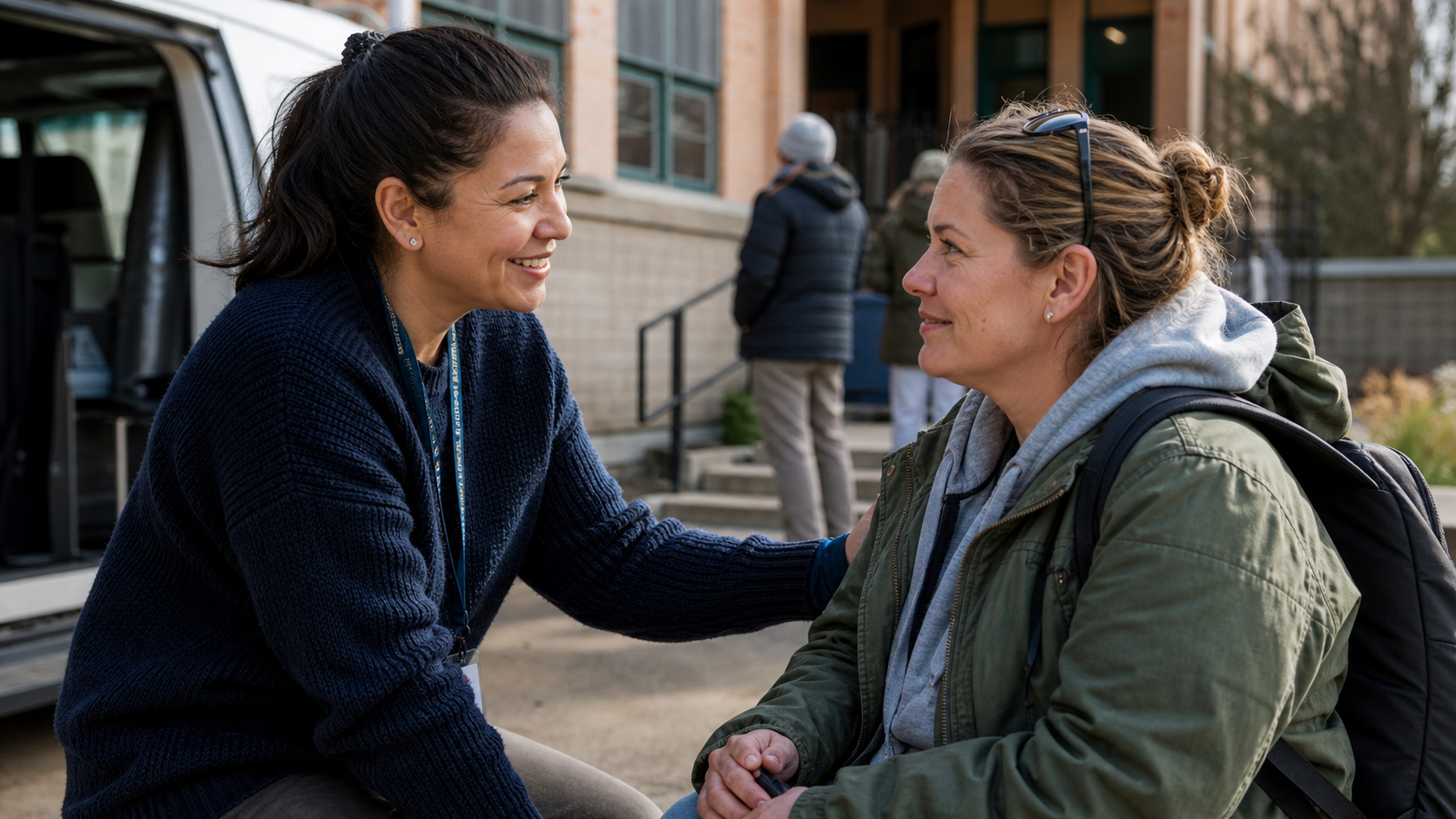


Leaving an unsafe home is a housing emergency — and you qualify for help
You do not have to already be on the street. If staying where you are means staying in danger, that counts. The VA has a coordinator at every facility whose job is to help you plan a safe exit — including emergency shelter, relocation costs, and legal support — for you and your children.
- Intimate Partner Violence (IPVAP) Coordinator at every VA facility — safety planning, shelter referrals, and legal services, confidentially.
- National Domestic Violence Hotline: 1-800-799-SAFE (7233) · TTY 1-800-787-3224 — free, 24/7.
- SSVF emergency funds can cover a deposit and first month somewhere safe — fast.
What a safety plan actually covers — so you know what you are asking for
Most women hear “safety planning” and picture a form. It is not a form. It is a person sitting down with you and working through the practical mechanics of getting out without getting hurt, and then spending program money to make it happen. You do not have to arrive knowing what you need. Here is what the conversation covers, so nothing gets left out of yours.
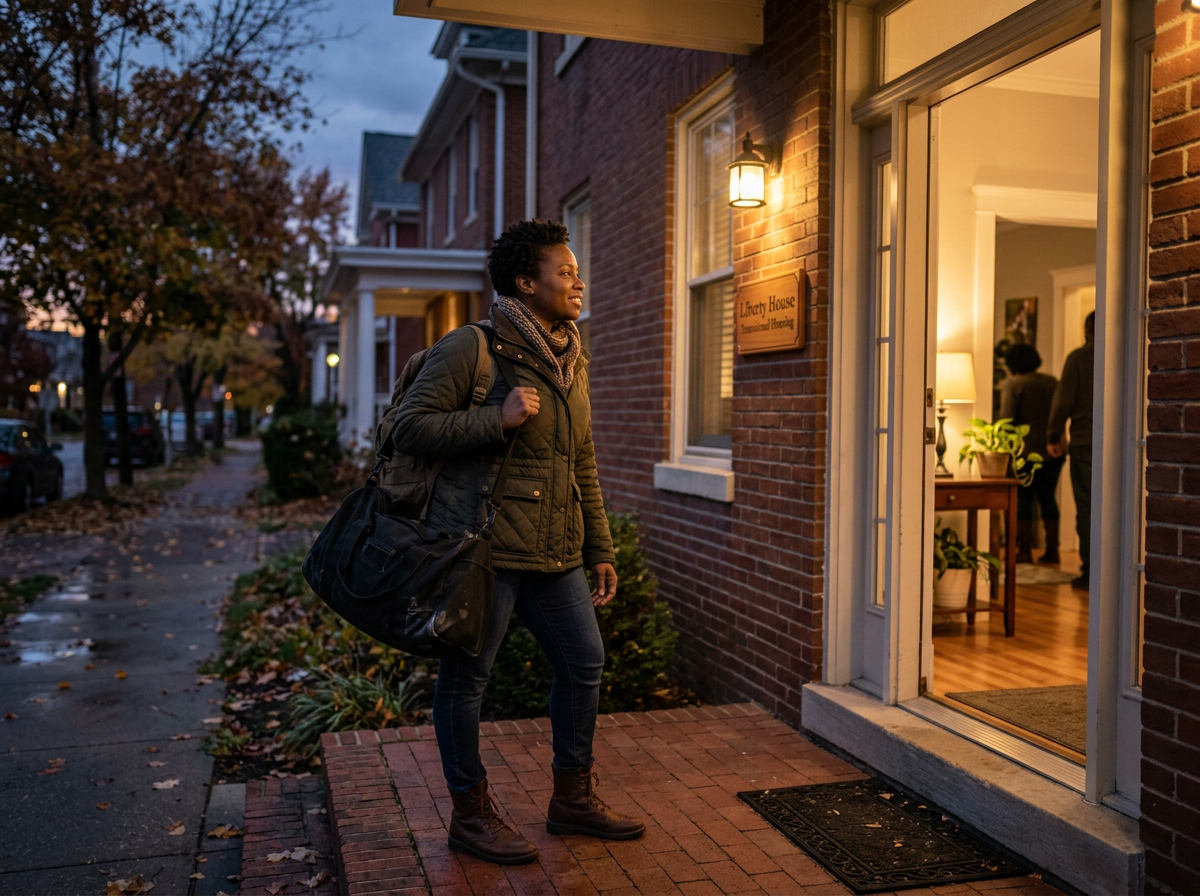
Where you go tonight, and who pays for it
Emergency shelter placement, a hotel or motel stay while a placement is arranged, or a transitional housing bed. The coordinator works with SSVF and Grant and Per Diem providers who hold funds for exactly this, so the answer is not “call back Monday.”
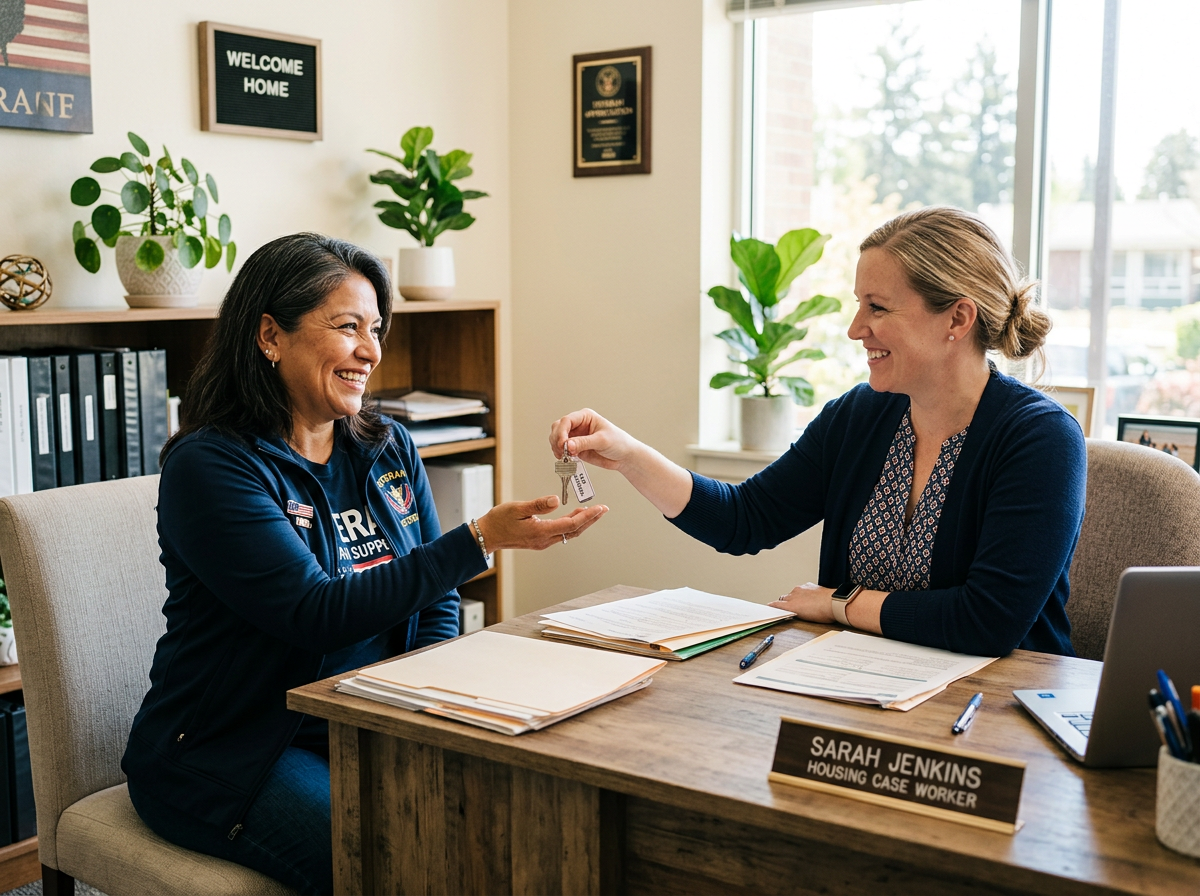
The money to land somewhere permanent
Security deposit, first month’s rent, application and background-check fees, utility turn-on and utility arrears, moving costs, and a rental truck. SSVF is designed to move fast on exactly these line items rather than to fund a long program.
Rebuilding the documents you had to leave behind
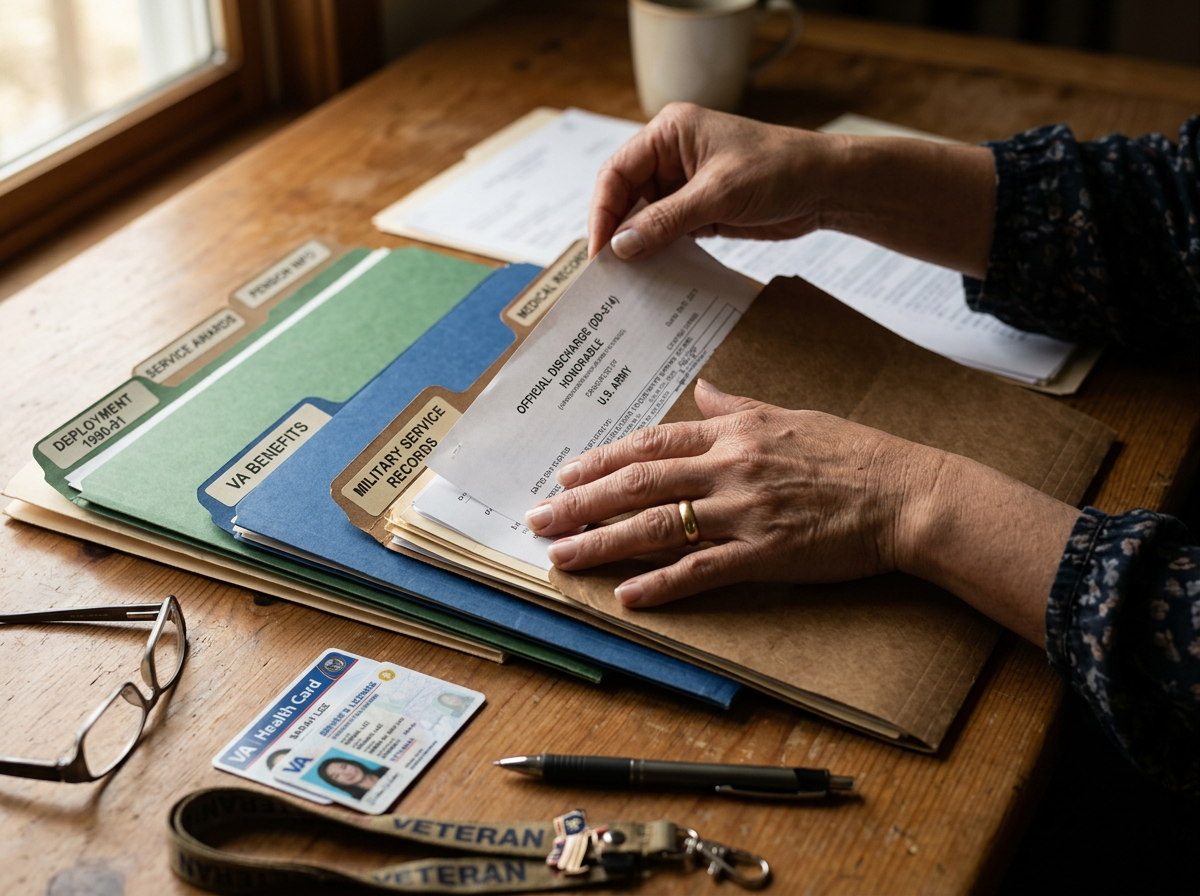
Replacement ID, birth certificates for you and your children, Social Security cards, your DD-214, benefit award letters, and bank records. Leaving without paperwork is normal, and it is a solvable problem — not a reason to stay.
Making the new address hard to find
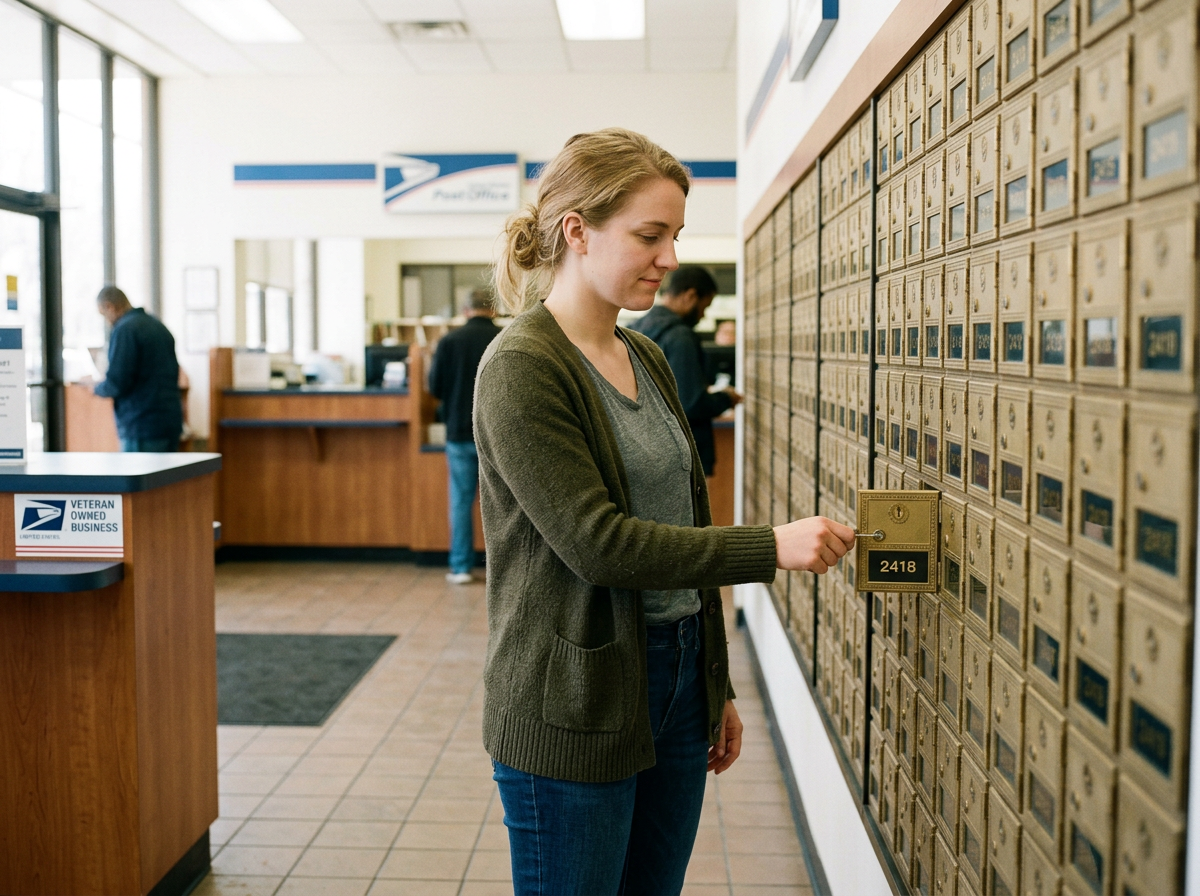
Confidential address handling in VA records, an address confidentiality program if your state runs one, and coordination so appointment reminders, mail, and voicemail do not tell someone where you went.
Your children, school, and childcare
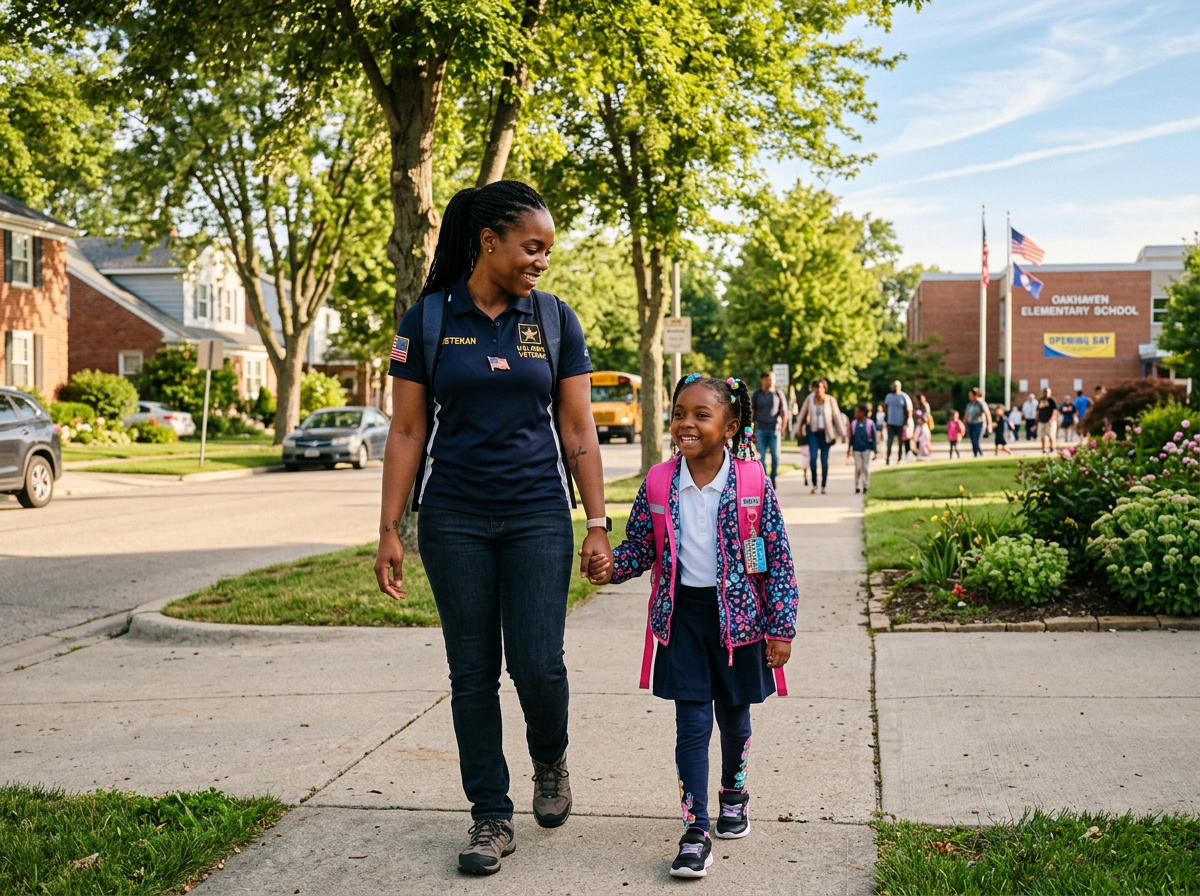
Keeping kids enrolled or transferring schools mid-year, childcare so you can attend appointments and interviews, and connecting a family-focused case manager rather than one who only works with single adults.
Care for what this did to you
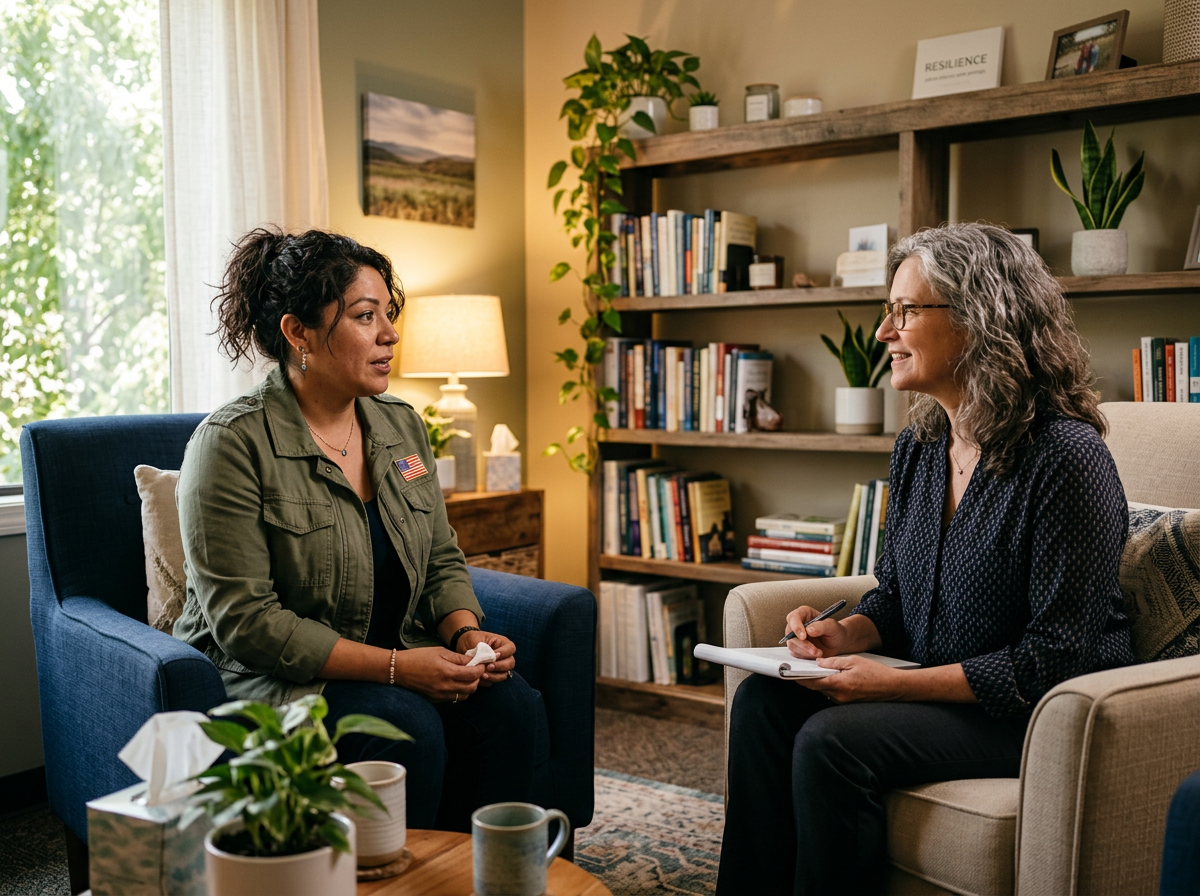
Same-day mental health assessment, trauma-focused therapy, and MST-related care, which is free with no rating and no enrollment required. Injuries get documented too — which matters medically now and evidentially later.
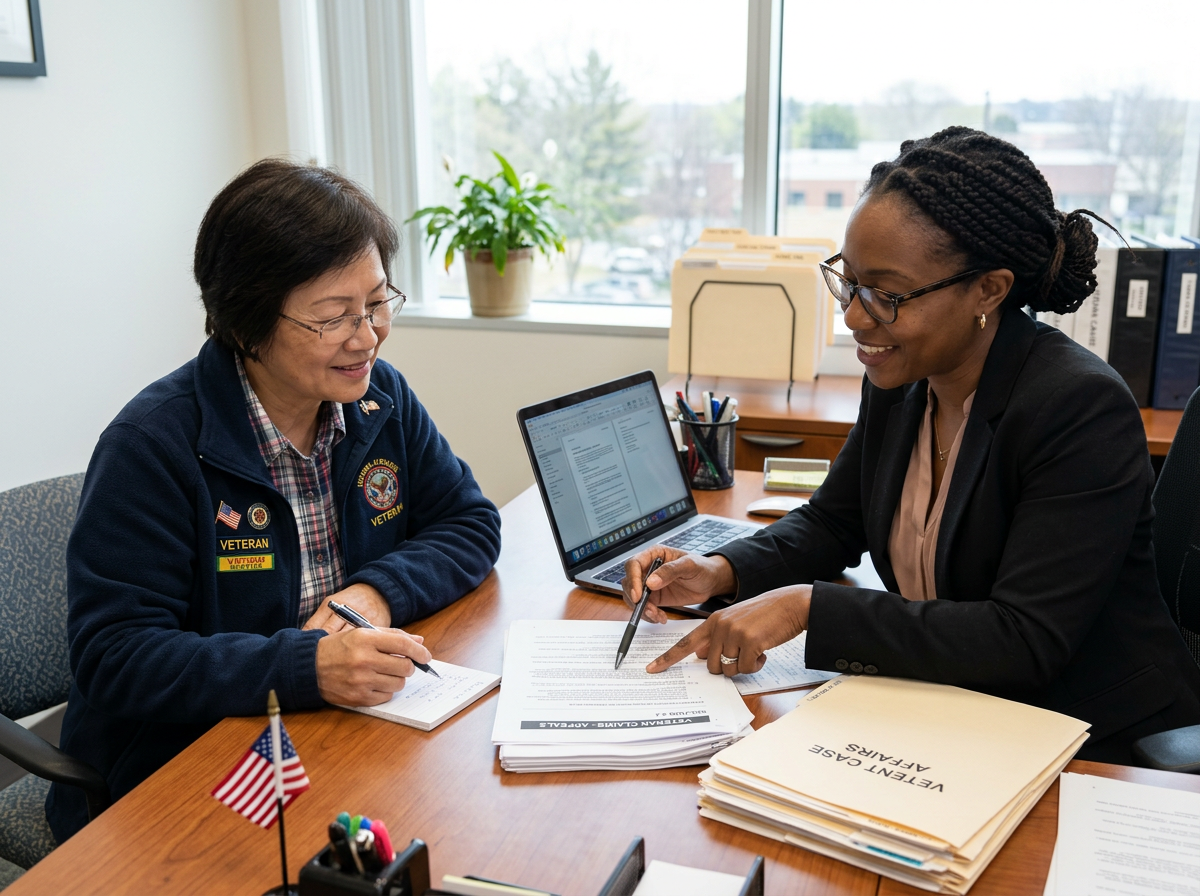
Legal protection and legal paperwork
Many VA medical centers host free legal clinics through medical-legal partnerships covering protective orders, custody, eviction defense, and discharge or benefit issues. Ask your facility what legal clinic it hosts and on what day — it is one of the least used benefits in the building.
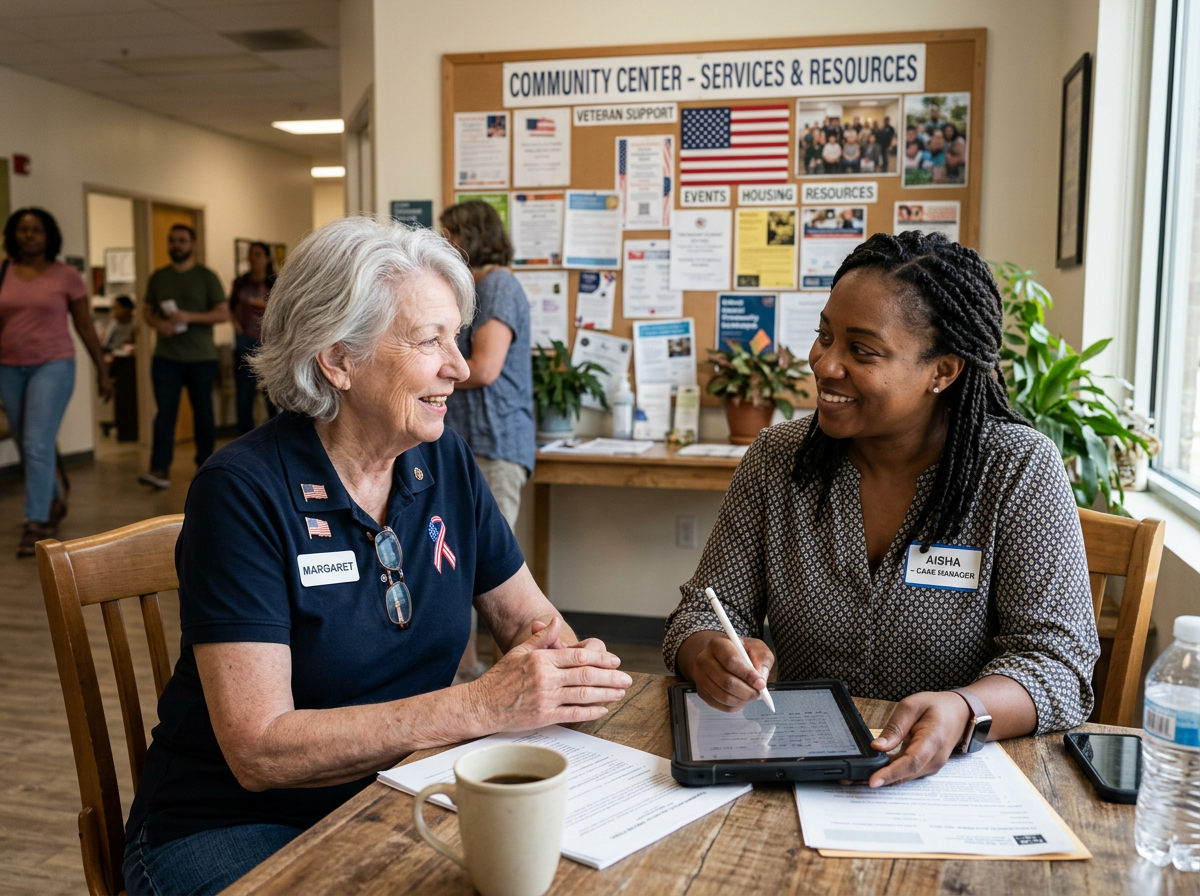
One person who owns your case
A named case manager with a direct number, so you are not re-explaining your situation to a new stranger every week. If the person you get does not fit, you are allowed to ask for a different one, including a woman.
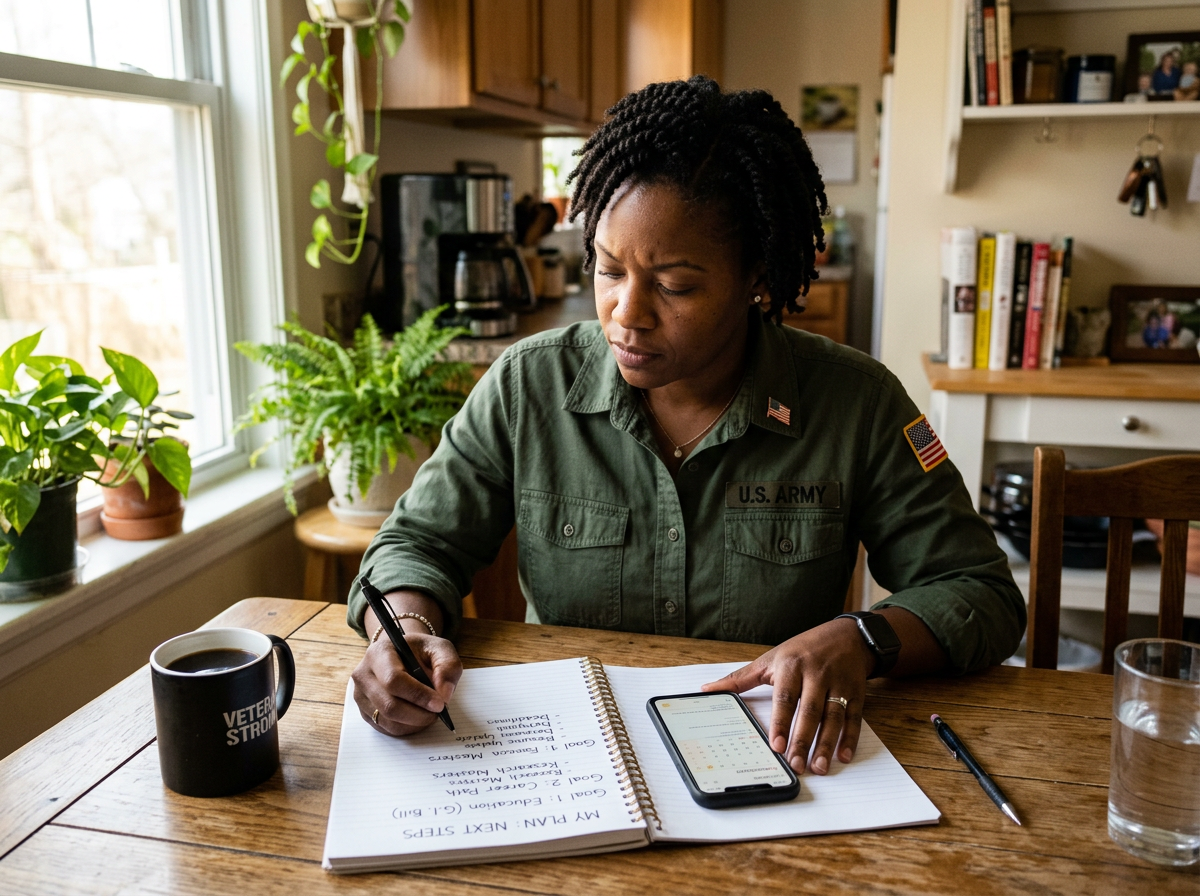
A plan for the dangerous window
The most dangerous period in an abusive relationship is often the weeks around leaving. Planning covers timing, what you take, where you stage it, who knows, what you do if you are followed, and what the call script is if it goes wrong.

How you physically get there
Transportation is a real line item, not an afterthought. Bus or rail fare, gas, a rental truck, and in many areas VA-provided rides through the Veterans Transportation Service. If the vehicle is in the abuser’s name or is being tracked, say that out loud — it changes the plan entirely.

Getting your own money back under your control
If your VA compensation, pension, or paycheck lands in a shared account, that is leverage someone else is holding. You can change your direct deposit through VA.gov or by calling 800-827-1000, open an account in your name only, and have benefit mail redirected. Do it after you are somewhere safe, not before.

Income once the dust settles
SSVF pays to stabilize you, not to support you indefinitely — so the same case manager should connect you to employment services, VR&E (Chapter 31) if you have a service-connected disability, and a claim review if you are unrated or under-rated. Housing that you can keep is housing you can afford.
Things women wait for that they do not need
- A police report. You do not need one to get VA housing help, shelter, or MST-related care.
- A protective order already in hand. The legal clinic can help you get one after you are safe.
- A disability rating. Housing programs are not rating-based.
- To be literally homeless. Being at imminent risk, or unsafe where you are, qualifies you for prevention assistance.
- Proof of what happened. Nobody at the intake call is going to cross-examine you.
- A packed bag and a plan. Call first; the plan is what the call is for.
- Your marriage to be legally over. Housing help does not wait on a divorce.
- To feel certain. Ambivalence is the single most normal feeling in this situation and it disqualifies you from nothing.
If you can do it safely, take these — and if you cannot, go anyway
- Your ID, your DD-214, and your children’s birth certificates and Social Security cards.
- Any medication you or your children take, plus the prescription bottles.
- A phone charger, and a second cheap phone if you have one — shared plans can be tracked.
- Your bank card and any cash you can access without it being noticed.
- Photographs of injuries or damage, and screenshots of threatening messages, stored somewhere he cannot reach — emailed to yourself or to a trusted person, not left on the shared device.
- Custody papers, lease or mortgage documents, and your VA award letter.
- One comfort item per child. It matters more than it sounds like it does.
- Nothing at all, if grabbing it costs you the window. Every item on this list can be replaced. Say that out loud if you need to.
Which program does what, and how fast each one moves
You can be referred to more than one of these at the same time, and you should be. They are built to run in parallel: one gets you out this week, one gets you stable this year. Name them on the phone so you are not waiting for someone to volunteer them.
SSVF — Supportive Services for Veteran Families
Typical speed: DaysRapid financial help delivered through community providers under VA grants: security deposit, first month’s rent, rent arrears to stop an eviction, utility arrears and turn-on, moving costs, and short-term case management. This is the program that gets a woman and her children out of an unsafe home and into a lease. It is time-limited by design, and that is a feature — it is built for speed, not for a waiting list.
HUD-VASH — voucher plus VA case management
Typical speed: Weeks to monthsA HUD housing choice voucher that permanently subsidizes your rent, paired with a VA case manager. This is the long-term solution rather than the emergency one, and demand means there can be a wait, so the correct move is to get on it now while SSVF handles the emergency. Ask about it by name at your first call.
Grant and Per Diem — transitional housing
Typical speed: Days to weeksVA-funded transitional housing operated by community agencies, with services attached, including programs designed for women and for women with children. Ask specifically whether the placement accepts children and whether it is women-only — both exist, and both matter.
IPVAP — Intimate Partner Violence Assistance Program
Typical speed: Same dayThe coordinator at your VA facility. Not a housing program itself but the person who coordinates all of the above with your safety at the center, confidentially, and who connects you to therapy, legal clinics, and shelter in one conversation instead of six.
Confidentiality, plainly stated
Talking to an IPVAP coordinator, a Vet Center counselor, or the hotline is health care and social services — not a report to law enforcement and not a report to anyone you live with. Nobody calls him. Your VA record can be handled so that mail, appointment reminders and messages do not disclose where you are, and Vet Center counseling records are kept separately from your VA medical record. If confidentiality is the thing keeping you from making the call, say that in your first sentence and ask them to explain exactly who will and will not see what. You are allowed to ask that before you tell them anything else.
If you need help right now, here is the order to do it
You do not need paperwork ready to make the first call. You do not need a service-connected rating, an income statement, a DD-214 in hand, or an eviction notice. The National Call Center for Homeless Veterans at 877-424-3838 answers 24 hours a day, is free and confidential, and the person on the other end can connect you to your local SSVF provider or HUD-VASH coordinator on the same call. If you are fleeing an abusive household, say so — it changes the referral and can move you to the front of the line, and the National Domestic Violence Hotline at 1-800-799-SAFE can coordinate a safe placement alongside the VA. Start at the top of this list and work down; a real person will help you figure out the rest, and the paperwork gets sorted after you are safe, not before.
Call the National Call Center for Homeless Veterans
Dial 877-424-3838 — free, confidential, and answered 24/7. Tell them your situation in your own words. They will connect you to the closest VA program and, if needed, same-day emergency help.
Ask specifically for SSVF or HUD-VASH
If you are facing eviction or already homeless, name these programs. SSVF handles fast, short-term financial rescue; HUD-VASH is the long-term voucher. You can be referred to both.
Request a female case manager if that helps you feel safe
You are allowed to ask. Many women veterans open up more, and get more done, with a woman who understands MST and family safety concerns.
Get a free record review to unlock the benefits behind your housing
Housing stability and your disability rating are connected — a higher, accurate rating can mean tax-free income that keeps you housed for good. Scroll down to request a free, no-obligation review.
What to say when they pick up
If the hardest part is the first sentence, borrow one of these. Read it off the screen. You do not have to be composed and you do not have to tell the whole story to get help started.
“I am a woman veteran and I am about to lose my housing. I need help.”
“I am a veteran and I am not safe in my home. I have my children with me.”
“I have an eviction notice and I do not know what to do. Can someone help me?”
“I need to know if I qualify for SSVF or HUD-VASH, and I need to talk to someone today.”
“I do not know what I need. I just know I cannot stay where I am.”
Then let them ask the questions. Answering “I do not know” is a complete answer, as many times as you need to use it.
What they will ask you, and why
Your name, date of birth, and the last four of your Social Security number
To pull your record and confirm veteran status. They are not screening you out with this.
Your branch and rough dates of service
Eligibility is broader than most women assume, including Guard and Reserve service in many programs.
Where you are staying tonight
This is the question that determines whether emergency funds move today or this week. Answer it precisely.
Whether anyone is with you, including children
It changes which placements and which case managers are appropriate. Family placements exist — say it up front.
Whether you are in danger from someone
It routes you to the IPVAP coordinator and to confidential handling. You can say yes without giving a name.
Your income and any benefits you receive
Program income rules differ, and disability compensation is treated differently in different programs. Do not self-reject over income.
A phone number and a safe way to reach you
Tell them if a voicemail or a text to your phone could be seen by someone else, and give them an alternative.
If the first call does not get you what you need
It happens. A voicemail nobody returns, a provider with no funds left this month, a case manager who never calls back. That is not the end of the process and it is not a verdict on whether you qualify. Work down this list — each rung reaches a different office with different authority.
Call back and ask for a supervisor by title
Say the date and time of your last call and that you have not received a call back. Ask for the name and direct number of the person now handling your case, and write both down. Documented follow-up changes outcomes more than anyone admits.
Go directly to your VA medical center
Ask at the front desk for the Homeless Program Coordinator, the Women Veterans Program Manager, or the IPVAP Coordinator by those exact titles. These are named positions at the facility, and walking in gets a response that a voicemail does not.
Call MyVA411 at 800-698-2411
This is the VA’s single front-door number, staffed 24/7. It can route you to your facility’s social work service and to the homeless program directly when you cannot get through locally.
Call your local 211
Dial 211 for community services outside the VA — emergency shelter, food, utility assistance, and domestic violence programs. Use it in parallel with the VA, not instead of it.
Ask the Women Veterans Call Center to advocate for you
Call 1-855-829-6636. It is staffed by women, many of them veterans, and they will make calls on your behalf and follow up. When a woman is being bounced between offices, this is the number that most often breaks the loop.
If you are in crisis at any point, stop and call 988, then press 1
The Veterans Crisis Line is available 24/7, and you can text 838255. You do not have to be suicidal to use it, and they can and do connect callers to emergency housing and to a facility that same day.
The part almost nobody connects: your rating is housing money
Emergency programs stop the bleeding. What keeps a woman housed permanently is monthly income she does not have to reapply for every ninety days — and for a service-connected veteran, that income is her disability compensation. It is tax-free, it arrives every month, it is not a grant with an end date, and an accurate rating is often several hundred to several thousand dollars a month different from an inaccurate one. Underrated conditions, missing secondaries, and MST claims that were denied on the wrong standard are the three most common reasons a woman veteran is being paid far less than her record supports.
Handle the emergency first — make the call above today. Then, once you have a safe place to sleep, get your record looked at by an accredited representative. Our review is free, there is no obligation, and it is the difference between surviving this year and not having to worry about next year.
What no one may take away from you
You cannot be turned away from the National Call Center for Homeless Veterans because of your discharge status — they will still help you find the right door.
Your VA disability compensation is excluded from income for HUD-VASH — many women who assume they earn too much still qualify.
Housing programs are built to keep your children with you, not separate you from them.
Fleeing domestic or intimate-partner violence is a recognized housing emergency — you do not have to wait until you are on the street to get help.
You have the right to a female case manager or provider if that makes you feel safer — ask for one.
Numbers and links worth keeping
Everything you need to understand and act on these programs is already on this page — you should not have to leave it to learn what you qualify for. The links and numbers below are here in addition, for the moment you are ready to apply and want to go straight to the source: the official VA program pages, the HUD voucher information, and the direct phone lines that reach a human being. Bookmark this section rather than the individual links, because VA program URLs change and the phone numbers do not. And if you are reading this in the middle of a crisis, skip all of it and call 877-424-3838 — they will do the navigating for you.
Housing Help — Official VA & HUD Links
All program details are on this page and in each program's full guide. These official links take you straight to the source.
VA programs to prevent & end homelessness
va.gov/homeless
HUD-VASH program
permanent voucher + case management
SSVF — Supportive Services for Veteran Families
short-term rental & financial help
VA home loan for women veterans
va.gov/housing-assistance/home-loans
Housing grants for disabled veterans (SAH/SHA)
va.gov/housing-assistance/disability-housing-grants
Intimate partner violence — VA Women's Health
womenshealth.va.gov
Questions Women Ask About Housing Benefits
Straight answers about the VA home loan, homeless-veteran help, and disability housing grants. A free review can tell you exactly which of these you qualify for.
Can women veterans use the VA home loan?
Absolutely — the VA home loan benefit is the same for women as for men. If you meet the service requirements you can buy a home with no down payment and no private mortgage insurance, often with better rates than a conventional loan. You get a Certificate of Eligibility to prove your entitlement, and the benefit can be reused over your lifetime.
I am homeless or about to lose my housing — what do I do right now?
Call the National Call Center for Homeless Veterans at 1-877-424-3838 (877-4AID-VET). It is free, confidential, and staffed 24/7. They can connect you to emergency housing, the HUD-VASH voucher program, and case management. You do not have to already be on the street to ask for help — call if you are at risk.
What is HUD-VASH?
HUD-VASH pairs a Housing Choice (Section 8) rental voucher with VA case management and clinical services. It is one of the most effective tools for helping veterans move from homelessness into stable, permanent housing — and it is available to women veterans, including those with children.
Are there grants to adapt my home for a disability?
Yes. Veterans with certain service-connected disabilities may qualify for a Specially Adapted Housing (SAH) or Special Home Adaptation (SHA) grant to build or modify a home for accessibility. The amounts are set annually by the VA, and eligibility is tied to specific disabilities.
Can I use the VA loan more than once?
Yes. VA loan entitlement can be restored and reused after you sell a home and pay off the prior VA loan, and in some cases you can have more than one VA loan at a time. If you used the benefit years ago, it is worth checking your remaining entitlement rather than assuming it is gone.
How do I find out what I qualify for?
A free review can help you sort out which housing benefits fit your situation — and, if a service-connected disability is involved, whether your rating could unlock additional help. There is no cost and no obligation to ask.
Still have a question about your own situation?